World
Trump heads to France for G7 summit, spotlighting global diplomacy

Donald J. Trump left Washington Sunday night for the G7 summit in Évian-les-Bains, France, where the real test was not the backdrop but whether the United States and its allies could still produce a common line on war, trade and diplomacy. The annual gathering brings together the United States, Canada, France, Germany, Italy, Japan and the United Kingdom, with the European Union also represented at the table.
For Trump, the summit was a chance to show that his foreign-policy style, built around high-level meetings and leader-to-leader bargaining, could still deliver leverage in a fractured alliance. The White House had also stressed in May that Trump and Xi Jinping agreed the two countries would support each other as hosts of the G20 and APEC summits later in 2026, reinforcing the administration’s message that summit diplomacy remained central to Trump’s approach.
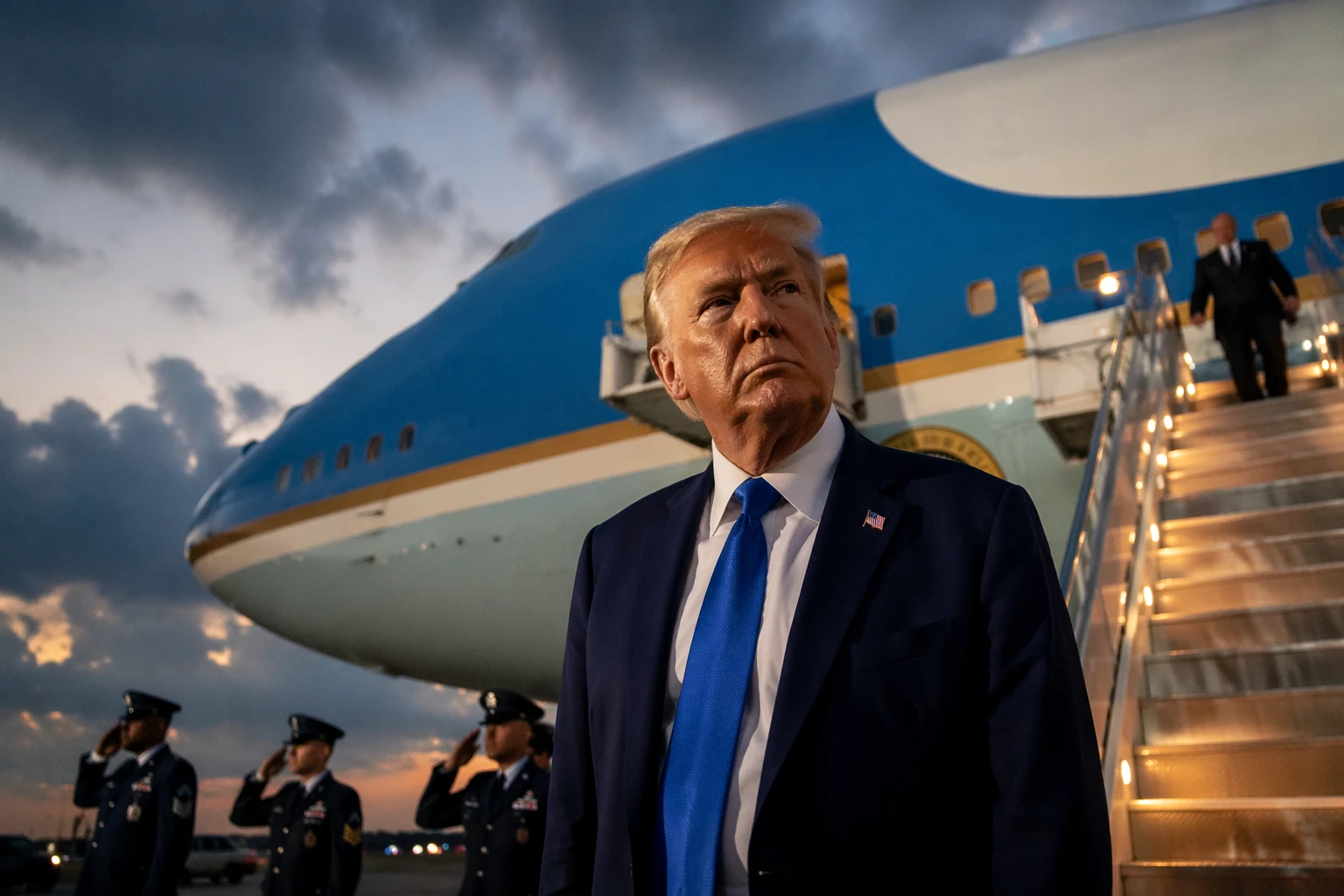
Trade was the first scorecard item. European officials had framed the summit around geopolitical uncertainty, trade tensions and widening imbalances, a sign that allies wanted a predictable economic order at a moment when tariffs and industrial policy were straining trust. If Trump used Évian to narrow differences rather than widen them, it would give Washington more room to press its economic agenda abroad; if he clashed openly, it would underline how brittle the G7 had become. That judgment follows from the summit’s stated agenda and the administration’s reliance on bilateral bargaining.
Ukraine was the second test. The G7 has repeatedly made Russia’s war against Ukraine a central issue, and at the 2022 summit in Schloss Elmau, Ukrainian President Volodymyr Zelensky attended by video link as the leaders pledged long-term support. This year, Trump was scheduled to take part in a working session with Zelensky, a sign that Europe still wanted the United States inside the room even as it worried about U.S. pressure for a deal that could favor Moscow. A strong outcome would mean continued coordination on aid and sanctions; a split would hand Russia a visible opening.
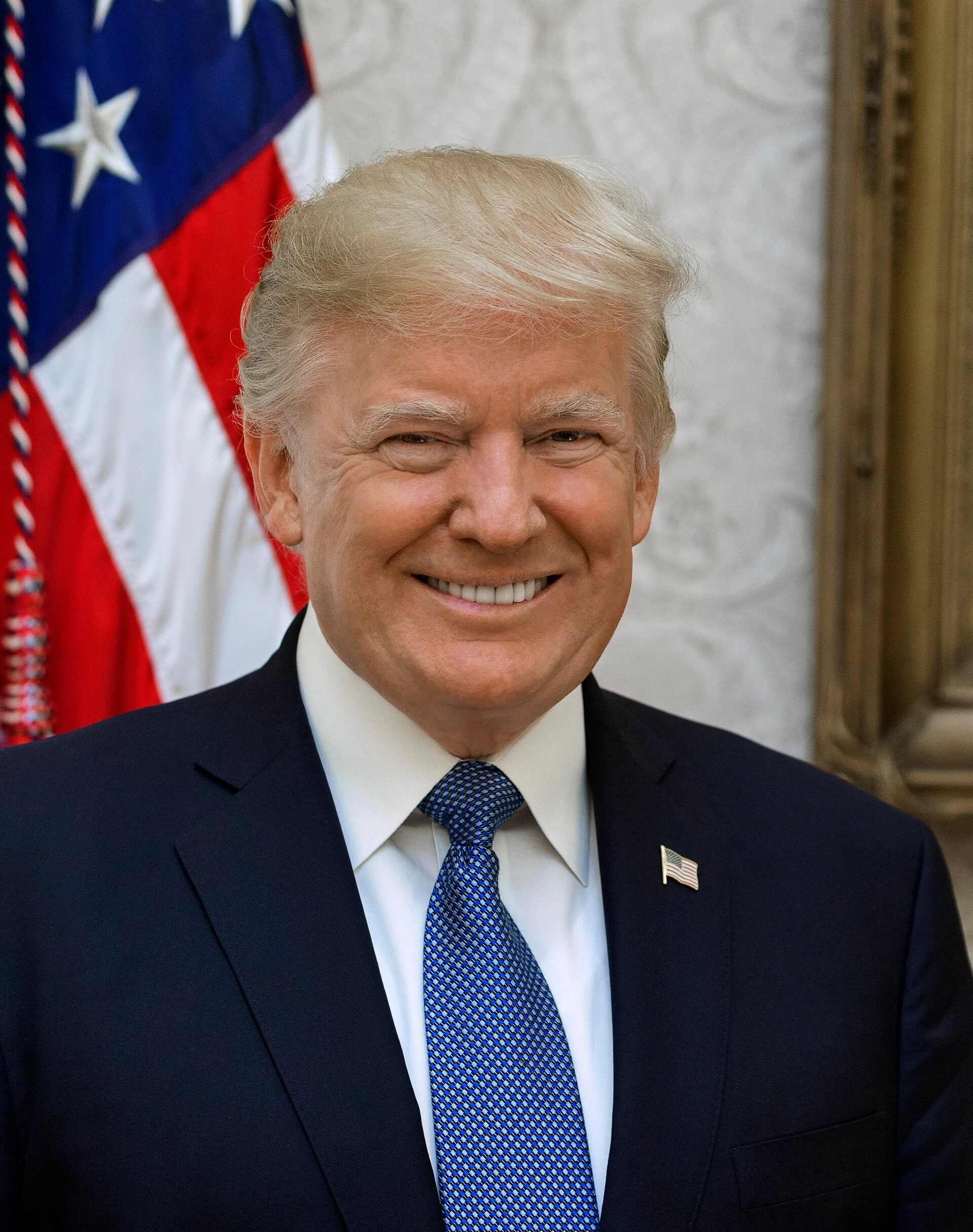
Iran and the broader Middle East rounded out the summit’s hardest questions. Reuters described the wars in the Middle East and Ukraine as the dominant issues in France, while U.S. officials said Trump would meet with Middle Eastern leaders on the sidelines. That made alliance cohesion the final measure of success: whether the G7 could still act like a disciplined bloc, or whether each crisis would pull the members in different directions. For Trump, the prize was simple. A coherent G7 would strengthen U.S. leverage overseas; a fractured one would advertise the limits of American influence.
Sources
- [1]cbsnews.com
- [2]g7germany.de
- [3]whitehouse.gov