Politics
Trump heads to Pennsylvania as U.S. lifts Iran oil sanctions
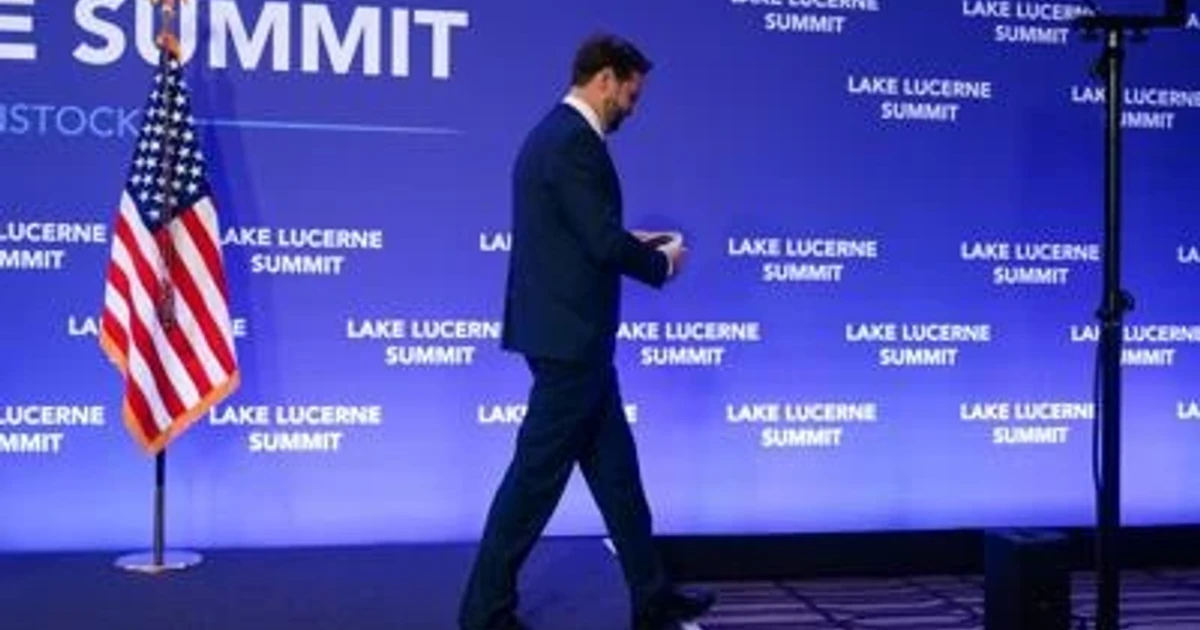
The Treasury’s 60-day waiver on Iranian oil marks a sharp U.S. policy reversal, allowing production, delivery and sale of Iranian crude through Aug. 21 as talks with Tehran continue in Switzerland. Some reporting said the relief also extends to petroleum and petrochemical products, and even dollar-denominated trade for the first time in more than four decades, a shift with immediate stakes for global energy markets and the price pressure hanging over U.S. drivers.
The move was framed inside the administration as part of a preliminary understanding with Iran. Vice President JD Vance said the talks had laid a “good foundation” or “very good foundation” for a final deal, while Iranian officials said no new commitments had been made. For the next 60 days, the waiver gives both sides room to test whether a broader peace arrangement can hold without collapsing under the weight of sanctions, oil revenues and regional distrust.
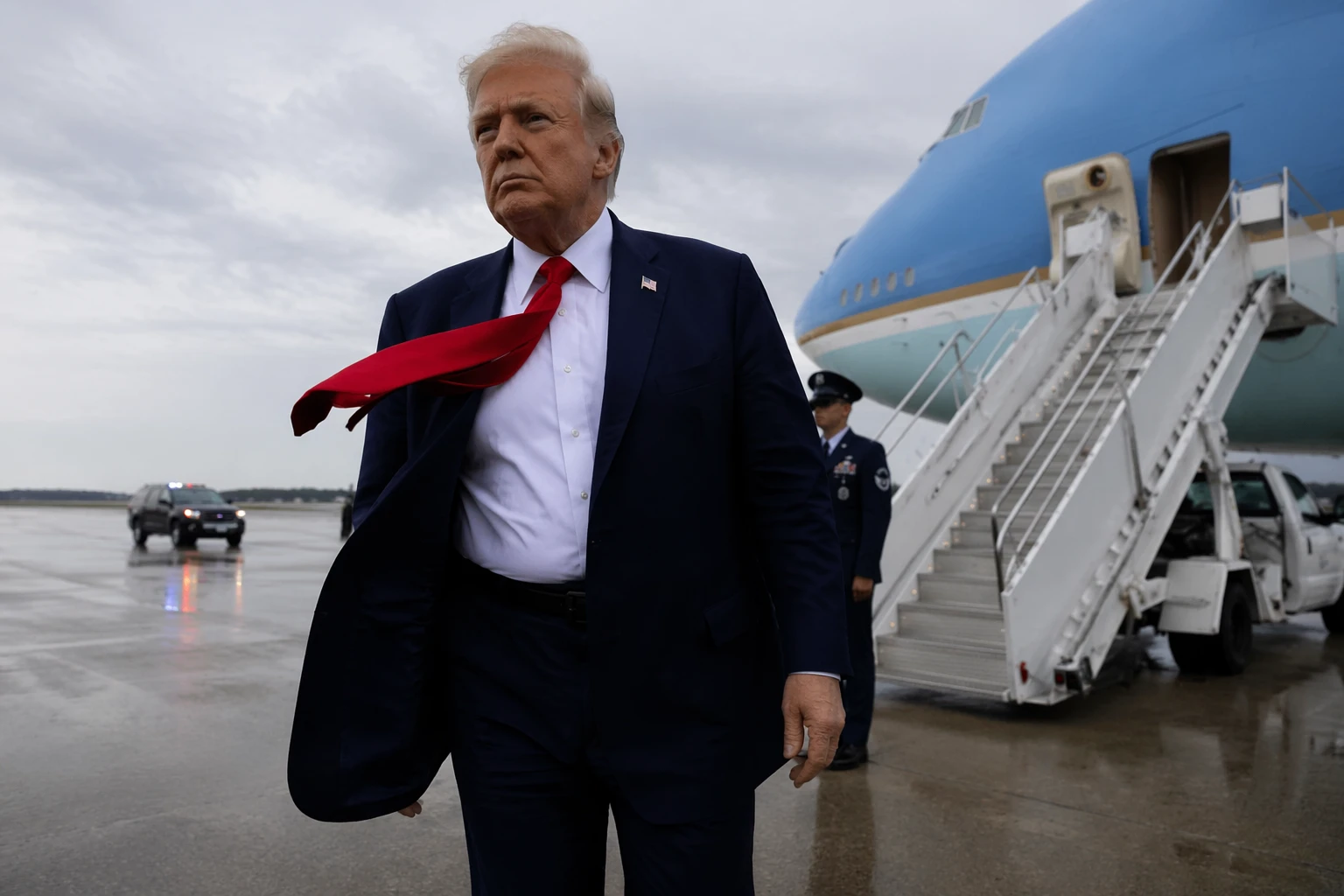
Trump is using that moment to turn back to domestic politics. He is scheduled to visit the Mack Trucks plant in Lower Macungie Township, Pennsylvania, on Tuesday, June 23, 2026, where he will deliver remarks and try to put the focus back on his economic record. The trip takes him to Pennsylvania’s Lehigh Valley, a battleground stretch of a swing state he won with just over 50% of the vote in 2024, and it is his third visit to Lehigh County since 2024.
The timing matters. The Pennsylvania stop is being cast as his first major public event outside Washington since the interim Iran agreement, as his team tries to shift attention away from the conflict and the higher gasoline prices it helped drive. Mack Trucks has become a symbolically useful backdrop: reporting says this is the second time a sitting president has toured the plant in the past five years.
The same day the administration moved on Iran, a federal judge blocked six Justice Department subpoenas targeting Minnesota officials, including Gov. Tim Walz and Minneapolis Mayor Jacob Frey, in an immigration-enforcement probe. The judge found the subpoenas unlawful and described them as harassment or retaliation, a setback for the department’s effort to examine whether Democratic officials impeded federal immigration operations during the administration’s crackdown earlier this year.
Sources
- [1]npr.org
- [2]nytimes.com
- [3]cnbc.com
- [4]apr.org
- [5]lehighvalleynews.com
- [6]usatoday.com
- [7]aljazeera.com