Politics
Trump heads to Senate to push stalled voting restrictions bill

President Donald Trump headed to the U.S. Senate on Wednesday to press Republican lawmakers to back the SAVE America Act, turning a routine lunch invitation into a test of party discipline as the bill remained stalled. Sen. Rick Scott of Florida invited Trump to the closed-door luncheon at the Capitol, where Trump planned to lobby senators for a measure that already had exposed sharp divisions inside the Republican Party.
The bill, formally the Safeguard American Voter Eligibility Act, would require documentary proof of U.S. citizenship to register for federal elections and photo identification to vote in federal elections. Congressional Research Service materials say it would also require states to remove noncitizens from voter rolls. Congress.gov lists the House measure as H.R. 22, introduced on January 3, 2025, and the Senate companion as S. 128, introduced on January 16, 2025.
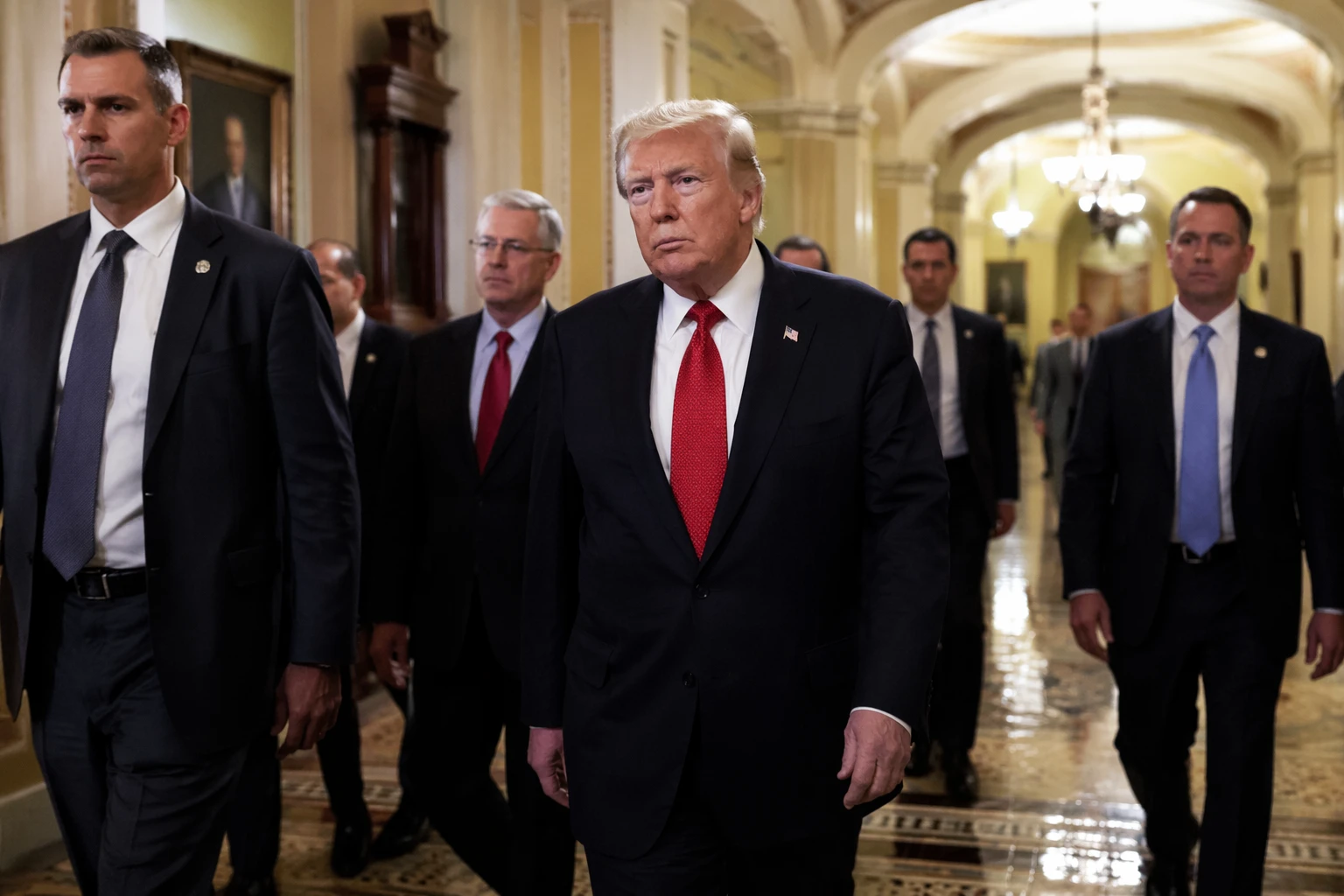
The House passed the SAVE Act on April 10, 2025, but the Senate blocked a Trump-backed attempt to advance it on June 4, 2026, by a 48-50 vote. Four Republicans joined Democrats in that vote. Senate Majority Leader John Thune then said on June 17 that Senate Republicans did not have the votes to bypass the filibuster, making clear that the bill still faced the chamber’s 60-vote threshold.
That arithmetic is the core of the fight. Even with Trump pressing personally in the Senate, Republicans had not lined up enough support to clear the procedural hurdle, and the president’s visit underscored how little leverage he has over lawmakers from his own party when the votes are not there. The luncheon also reflected a broader clash between Trump and Senate Republicans over how aggressively they should carry out his agenda.
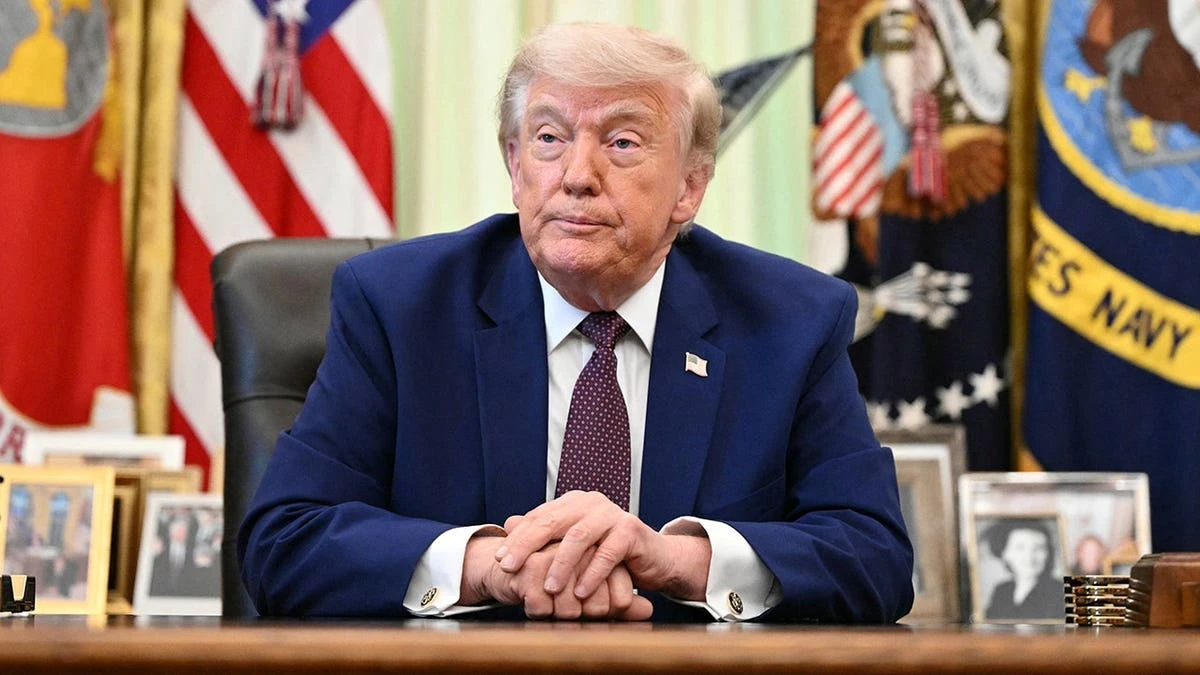
Supporters cast the SAVE Act as an election-integrity measure. Opponents, including the ACLU and NAACP, argued that its documentation requirements would make voting harder for eligible citizens. The ACLU said the bill would disproportionately burden naturalized citizens, low-income voters, voters of color, rural voters, older voters, young voters and transgender voters. The NAACP has opposed the measure and backed the John Lewis Voting Rights Act instead.
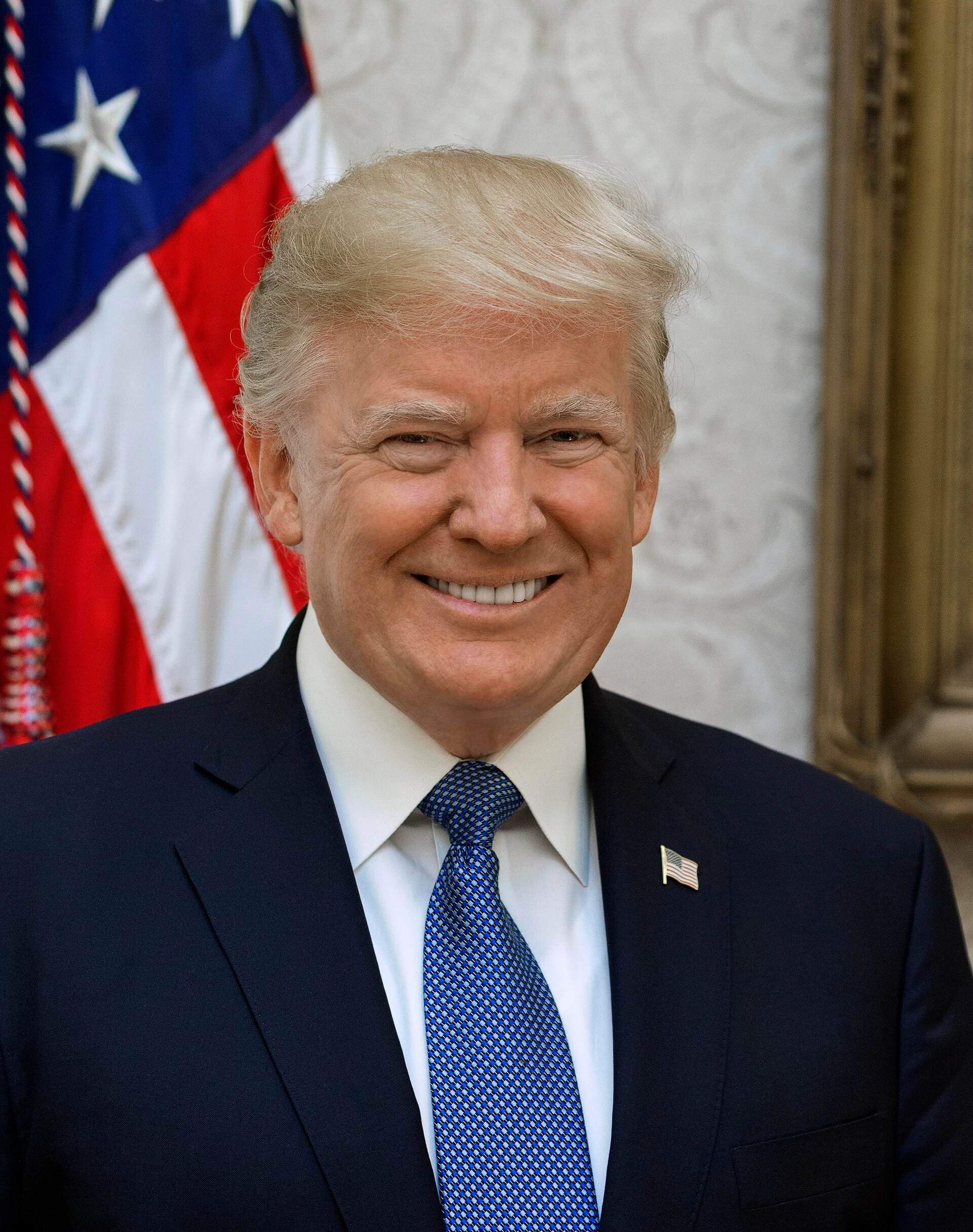
Trump’s Senate push showed that the bill had become as much a loyalty test as a legislative one. With the House already on record and the Senate vote count still short, the issue remained a marker of party discipline heading toward the 2026 midterms rather than a bill with a clear path to enactment.
Sources
- [1]uk.news.yahoo.com
- [2]aol.com
- [3]dailysignal.com
- [4]congress.gov
- [5]thehill.com
- [6]wausaupilotandreview.com
- [7]aclu.org
- [8]naacp.org