World
Trump Hints at Progress as Oil Tankers Transit Strait of Hormuz
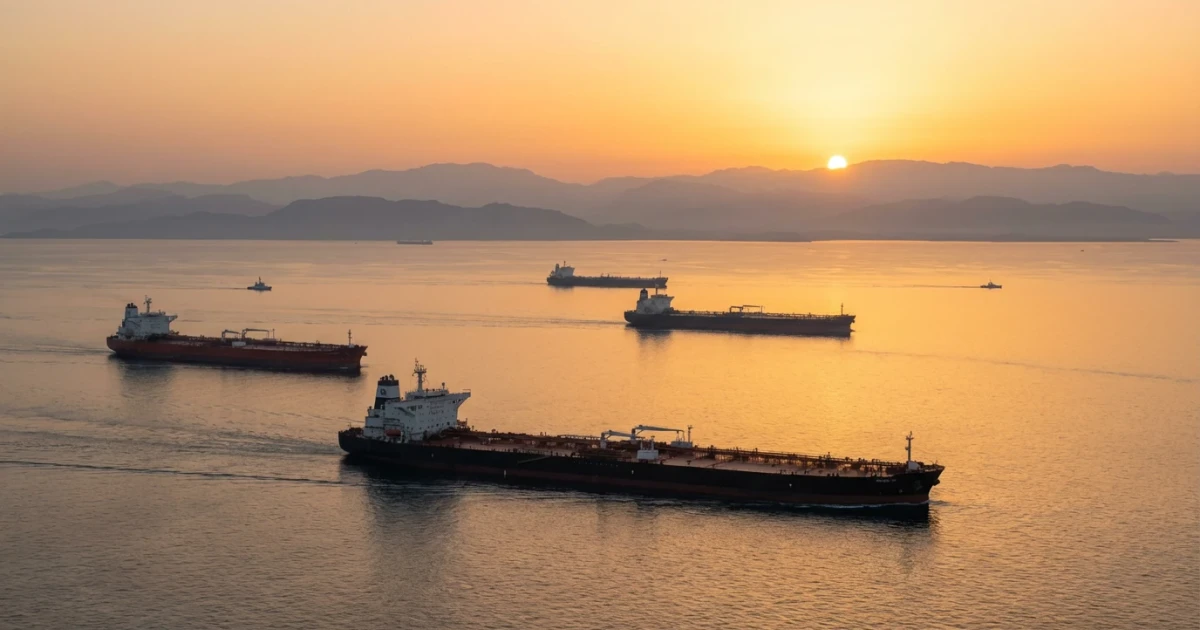
President Donald Trump expressed optimism about the state of U.S.-Iran relations on Thursday, announcing what he described as "good news" regarding Iran while global attention focused on the safe passage of oil tankers through the Strait of Hormuz. The statement comes as tensions in the region remain high, but the movement of tankers signals a potential easing in hostilities.
Strait of Hormuz Sees Renewed Oil Traffic
The Strait of Hormuz, a vital maritime chokepoint connecting the Persian Gulf to global energy markets, has been the site of repeated tensions between Iran and the United States in recent years. According to the U.S. Energy Information Administration, approximately one-fifth of the world's traded oil passes through this narrow waterway each day, making its security crucial for global energy stability. Recent reports confirm that oil tankers have resumed transit through the strait, an indicator of reduced immediate threat to shipping lanes.
- About 20% of global oil trade transits the strait daily
- The strait is a strategic point for both Western and Asian energy markets
- Past tensions have led to increased insurance premiums for tanker operators and volatile oil prices
Data from the UNCTAD Maritime Transport Bulletin also highlights the importance of the strait, with tanker traffic closely watched by governments and markets worldwide for signs of disruption or normalization.
Trump Signals Optimism, Hints at Diplomatic Progress
President Trump’s announcement, reported by Reuters, comes at a critical moment. While he did not provide details, his upbeat tone suggested ongoing diplomatic efforts behind the scenes. This stance marks a shift from previous months’ rhetoric, which featured threats and counter-threats between Washington and Tehran.
In his remarks, Trump stated that he had "good news" on Iran, but stopped short of outlining any specific agreements or breakthroughs. His comments align with a broader U.S. strategy of combining pressure with periodic offers of negotiation, a pattern seen throughout his administration’s Iran policy.
Tehran Remains Cautious
While Washington signals optimism, reports indicate that Iran’s response has been measured. Tehran’s officials have reportedly acknowledged the tankers’ safe passage but maintain a cautious stance toward any potential diplomatic overtures. Iranian leaders have repeatedly emphasized their demand for sanctions relief and guarantees on oil exports as prerequisites for broader engagement with the United States.
Information from the OPEC Annual Statistical Bulletin underscores Iran’s economic stake in the matter: the nation relies heavily on oil exports, and any sustained disruption to shipping through the Strait of Hormuz could have severe consequences for its economy. Recent shipping data shows a modest uptick in Iranian oil shipments, potentially reflecting the tentative reduction in regional tensions.
Global Markets and Security Implications
The safe passage of tankers through the strait has immediate implications for global energy markets. Past disruptions in the region have caused oil prices to spike and prompted concerns about broader economic consequences. According to analysis by the Baker Institute, continued stability in the Strait of Hormuz is essential for energy security, not only for the United States but also for major importers in Asia and Europe.
- Oil export volumes from the Middle East to Asia and Europe remain a key indicator for global energy trends
- Insurance and shipping costs are sensitive to perceived risk in the strait
What Comes Next?
While President Trump’s remarks have sparked cautious optimism, the situation remains fluid. Both U.S. and Iranian officials have reasons to seek de-escalation, but deep policy differences persist, especially regarding Iran's nuclear program and U.S.-imposed sanctions. The coming weeks will be critical in determining whether the current calm can be sustained or if tensions will resurface.
In summary, the safe transit of oil tankers through the Strait of Hormuz and President Trump’s suggestion of “good news” on Iran highlight a potential turning point in a long-running standoff. However, with both sides wary and global markets watching closely, diplomatic breakthroughs remain uncertain but possible.