US News
Trump Hints at Renewed Iran Talks Amid U.S. Port Blockade
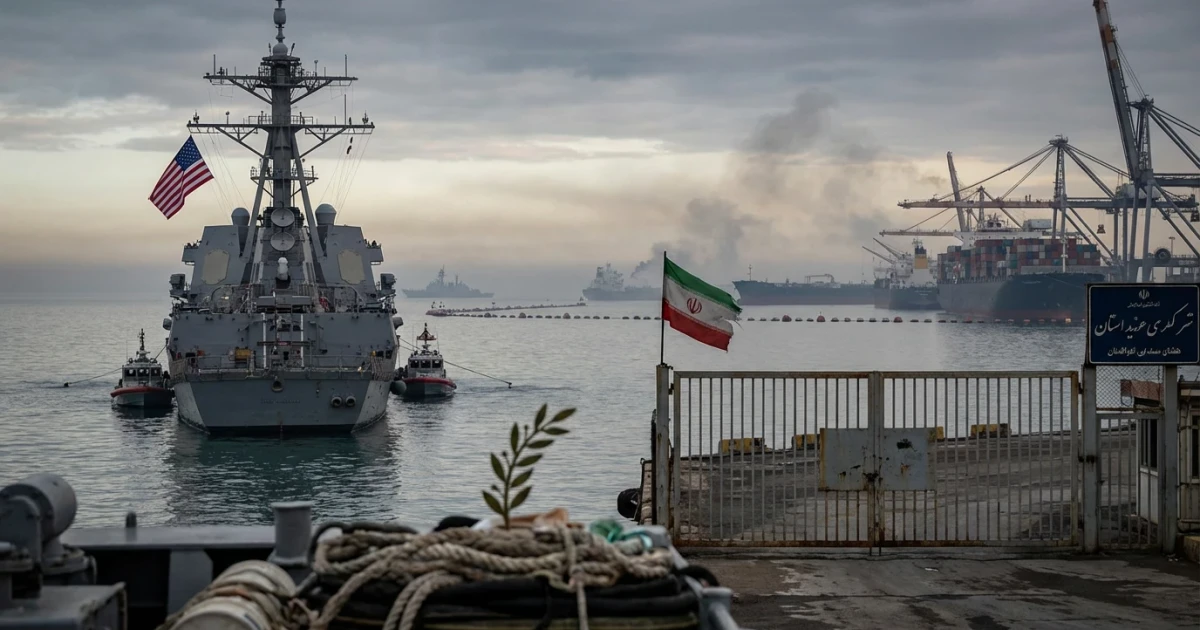
President Donald Trump announced that negotiations with Iran could restart within days, even as the U.S. military has moved to block Iranian ports—an escalation in the ongoing standoff with Tehran. The dual approach of military pressure and diplomatic outreach suggests a rapidly evolving situation in U.S.-Iran relations, with significant implications for global markets and regional stability.
U.S. Military Blocks Iranian Ports
According to NPR, the U.S. military has initiated a blockade of major Iranian ports. This action aims to restrict Iran’s ability to export goods, particularly oil, which remains a cornerstone of the Iranian economy. The move reflects a significant escalation in enforcement of long-standing U.S. sanctions programs against Iran, designed to curb the country's nuclear ambitions and regional influence.
- Iran’s oil sector is especially vulnerable, with recent production data showing fluctuations in output following each round of sanctions.
- The port blockade could further reduce Iran’s ability to ship oil globally, compounding economic pressure already evident in U.S.-Iran trade statistics.
- Maritime trade disruptions are likely to impact shipping routes throughout the Gulf region, as indicated by global maritime statistics.
Prospects for Diplomacy
Despite the tightened military posture, President Trump told reporters that the Iran conflict is “very close to over” and predicted that the stock market “is going to boom” if a diplomatic breakthrough is achieved. He indicated that talks with Iran could resume within days, suggesting back-channel communications may be underway.
This approach echoes past cycles of pressure and negotiation, such as those surrounding the 2015 Iran nuclear deal (JCPOA). The current U.S. position leverages both economic and military tools to bring Iran back to the table, while publicly projecting optimism about a peaceful resolution.
Economic and Global Implications
The possibility of renewed talks has been met with cautious optimism by investors, as geopolitical tensions in the Gulf have historically driven volatility in energy markets and global equities. Trump’s assertion that the conflict’s end will trigger a market rally aligns with past market behavior following major diplomatic breakthroughs.
- The blockade’s impact on global oil supply depends on how long it persists and Iran’s ability to circumvent maritime restrictions.
- Sanctions have already cost Iran billions in lost revenue, as shown in U.S. Department of Energy analyses.
- Further disruptions could affect energy prices, supply chains, and regional shipping, with ripple effects for consumers and businesses worldwide.
Looking Ahead
While President Trump’s comments signal hope for imminent progress, the situation remains fluid. The combination of military measures and diplomatic overtures puts significant pressure on Iran to engage, but also raises the risk of unintended escalation if talks stall or miscommunications occur.
Observers will be watching closely for concrete steps toward negotiations and any signs of de-escalation at Iranian ports. The coming days could prove pivotal in determining whether the U.S. and Iran move toward a new agreement—or deeper confrontation.