World
Trump hosts Zelenskyy and Netanyahu as wars reach critical stage
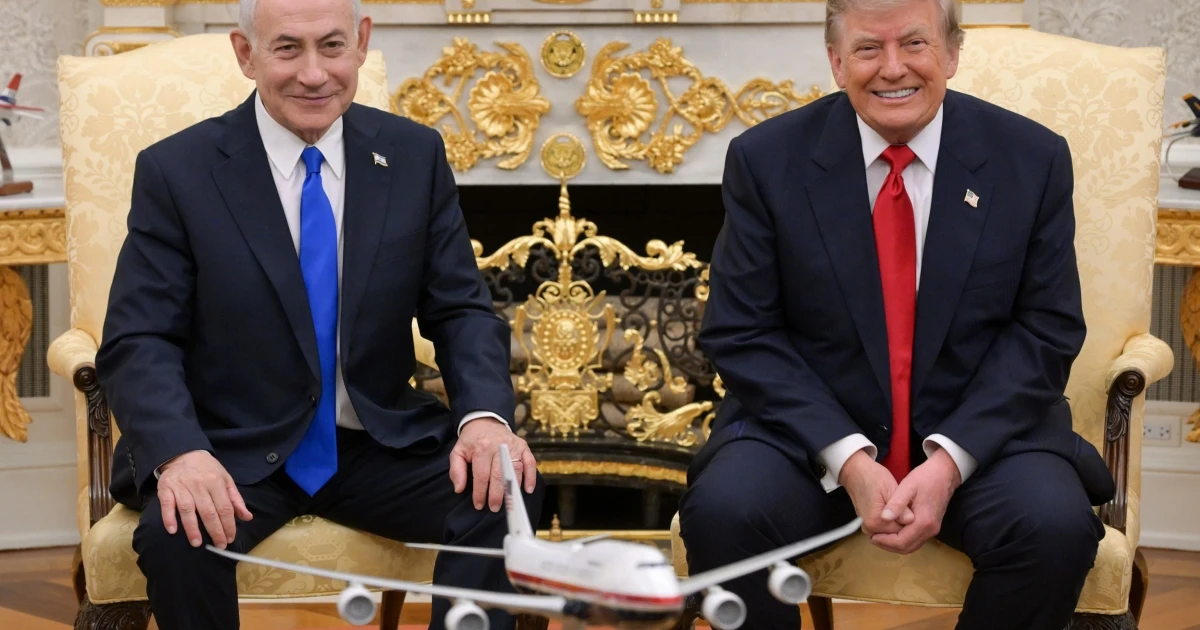
Donald Trump hosted Benjamin Netanyahu and Volodymyr Zelenskyy in Washington on Tuesday as the wars in Iran and Ukraine reached critical stages. Zelenskyy called his White House meeting with Trump a “good meeting,” and one of the clearest items on the table was a possible deal for Ukraine to produce Patriot air defense missiles.
The Ukraine talks centered on whether Washington would back joint Patriot production inside Ukraine, a move meant to strengthen defenses against Russian aerial attacks. Trump had signaled support for Patriot production earlier in July, but analysts warned it could take years before output begins, and one report said Ukraine and the United States were finalizing a deal for 25 Patriot systems to be delivered over several years. That made the discussion less about an immediate battlefield fix than about whether Trump would commit the United States to helping Ukraine build more of its own air defense capacity.
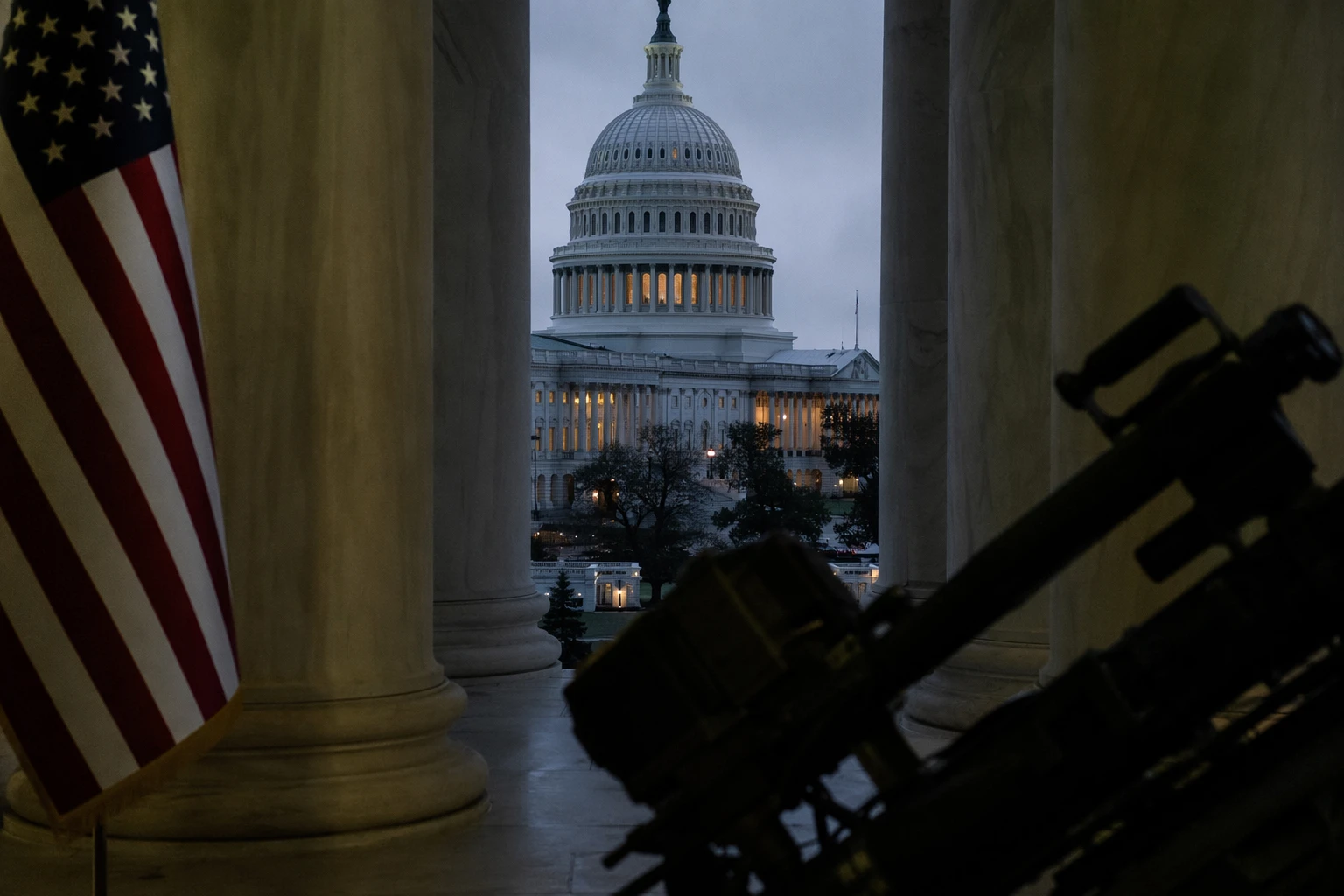
The timing mattered. The White House had said on July 24 that Trump and Zelenskyy would meet in Washington the following week, and by Tuesday the two men were talking before the funeral of Senator Lindsey Graham, whose support for Ukraine had been a fixture of Republican foreign-policy politics. That gave the meeting both a policy edge and a symbolic setting, with Ukraine asking for concrete military help while Trump weighed how much leverage he could extract from a long war that has already strained Western stockpiles.
Netanyahu arrived with a different priority. He said Iran was the top agenda item in his meeting with Trump, at a moment when the United States was still talking with Tehran but Iran was not ready for a deal. CNBC Africa’s Reuters story said Netanyahu was also looking for Trump’s help for an October re-election bid, turning the Washington stop into both a diplomatic and political appeal.

The contrast between the two meetings showed how Trump was trying to use a single day to project leverage across two wars that are tied to different U.S. interests. In Ukraine, the most concrete ask was industrial and military: Patriot production, missile deliveries, and a slower path toward stronger defenses. In the Iran talks, the ask was sharper and more immediate: pressure on Tehran, alignment with Netanyahu, and a foreign-policy posture that would hold up as fighting intensified.
If Trump can point to progress on Ukraine, it will likely be measured in contracts, factories, and delivery schedules that stretch over years. His credibility on Iran will turn faster, because Netanyahu made Iran the centerpiece and the U.S. was still trying to turn negotiations with Tehran into something more durable.
Sources
- [1]cbsnews.com
- [2]reuters.com
- [3]aljazeera.com
- [4]cnbcafrica.com