US News
Trump Imposes 100% Tariffs on Costly Pharmaceuticals
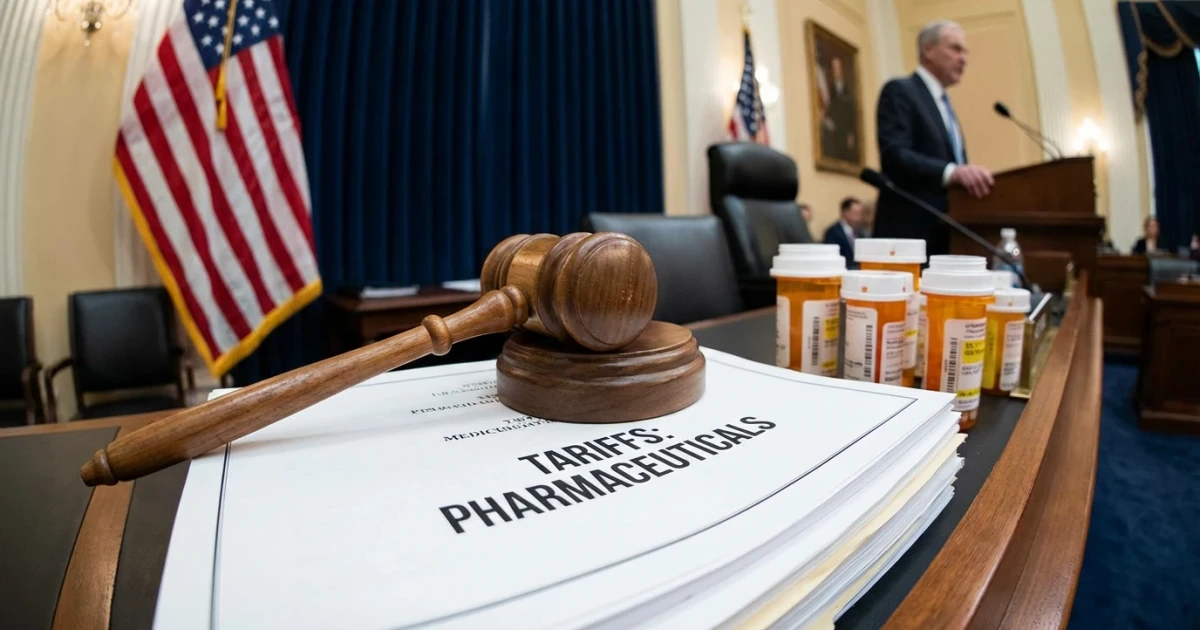
President Donald Trump has implemented sweeping 100% tariffs on pharmaceutical companies that have not reduced drug prices, marking one of the most aggressive interventions in the U.S. drug market in recent memory. The new tariffs, confirmed by The Washington Post, form part of a broader policy push that also includes adjustments to duties on steel and other metals.
Tariff Details Targeting Price-Hiking Drugmakers
The tariffs specifically target pharmaceutical manufacturers whose products have remained expensive despite repeated calls by the Trump administration to lower prices. According to The Washington Post, the 100% tariff applies only to those companies that failed to comply with government requests for price reductions.
- The tariffs cover a wide range of branded prescription drugs, with an emphasis on high-cost treatments for chronic and rare diseases.
- Generic drugs and those with documented price decreases are reportedly exempt from the new measures.
- Tariffs will be applied at the point of import, potentially doubling the cost of affected drugs entering the U.S. market.
While the administration has not released a complete list of targeted products, industry analysts expect the tariffs to impact several multinational pharmaceutical firms with significant U.S. sales.
Context: Drug Pricing and Policy Shifts
The move comes amid growing public pressure over the rising cost of prescription drugs. According to the KFF Report on Trends in Prescription Drug Prices, Americans continue to pay some of the highest drug prices in the world, with specialty medications and biologics driving overall spending growth.
Trump's tariffs are designed to force pharmaceutical companies to negotiate lower prices in the U.S. market—an escalation from earlier efforts focused on voluntary discounts and transparency requirements. The administration's approach reflects frustration with what it has described as industry intransigence, as well as political pressure to deliver relief to consumers burdened by out-of-pocket drug costs.
Economic and Policy Implications
Economists and healthcare experts have raised questions about the likely impact of such tariffs. Some warn that doubling the import cost of certain drugs could lead to supply disruptions or higher prices for patients and insurers in the short term. Others argue that the tariffs could give the U.S. government leverage in ongoing pricing negotiations, especially if foreign manufacturers rely heavily on American sales.
- Data from the U.S. Census Bureau show that pharmaceutical imports account for tens of billions of dollars annually, with the largest shares coming from the European Union, Switzerland, and the United Kingdom.
- According to the CMS Medicare Drug Spending Dashboard, Medicare spent over $200 billion on prescription drugs in the most recent year tracked, with specialty medications representing a growing share of costs.
- The USITC Investigation Report on pharmaceuticals and tariffs highlights potential risks, including retaliatory measures from trading partners and legal challenges under World Trade Organization rules.
Industry and Political Reactions
Pharmaceutical industry representatives have criticized the decision, arguing that tariffs could stifle innovation and limit patient access to life-saving medications. Patient advocacy groups remain divided—some support tough measures to curb price gouging, while others fear that supply disruptions could harm vulnerable populations.
Politically, the tariffs mark a significant expansion of the Trump administration's trade policy, which has historically focused on industrial goods like steel and aluminum. The Washington Post notes that the simultaneous adjustment of duties on metals reflects a broader strategy to use tariffs as economic and diplomatic levers.
Looking Ahead: What Comes Next
The administration has signaled that it will monitor the impact of the tariffs closely and may adjust the list of affected products based on ongoing negotiations with drugmakers. Analysts suggest that the ultimate effectiveness of the tariffs will depend on whether they incentivize meaningful price reductions or simply prompt companies to pass costs on to American patients.
With other major economies watching closely, the policy could also set a precedent for how governments confront rising pharmaceutical costs worldwide. For readers seeking more details on the products and companies affected, the FDA maintains an official database of approved drugs that tracks manufacturer information and regulatory status.
As the situation evolves, stakeholders across the healthcare sector will be watching to determine whether the tariffs deliver on their promise of lower drug prices—or introduce new challenges to an already complex market.