Business
Trump imposes new tariffs, citing forced-labor crackdown and exemptions
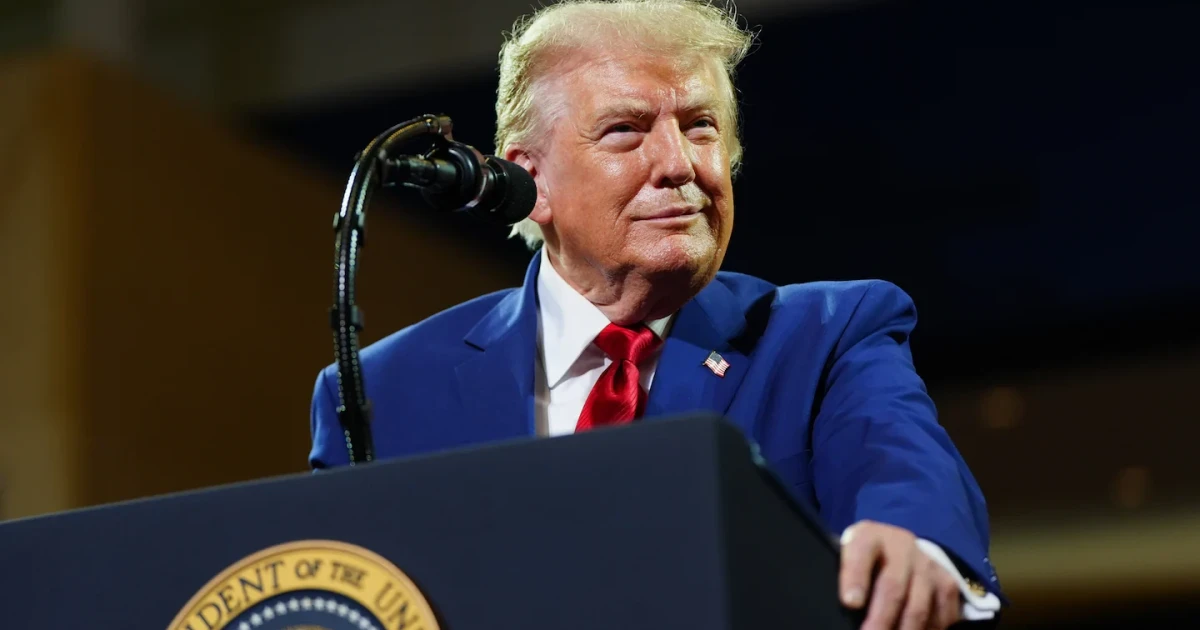
Donald Trump’s new tariffs took effect as a temporary 10% global levy expired, imposing duties of 10% to 12.5% on imports from 60 trading partners, including the European Union and China. The White House said the action targeted countries it accused of not doing enough to block imports made with forced labor, and the sweep was broad enough to cover goods that make up about 99% of U.S. imports.
The scale of the move makes it more than a narrow sanction against a handful of products. It reaches deep into the import flow that supplies U.S. retailers, manufacturers and consumers, while the fine print also included exemptions that could leave some categories and partners facing lower costs than others. That detail matters because it determines which shipments get hit at the border and which avoid the new duty.
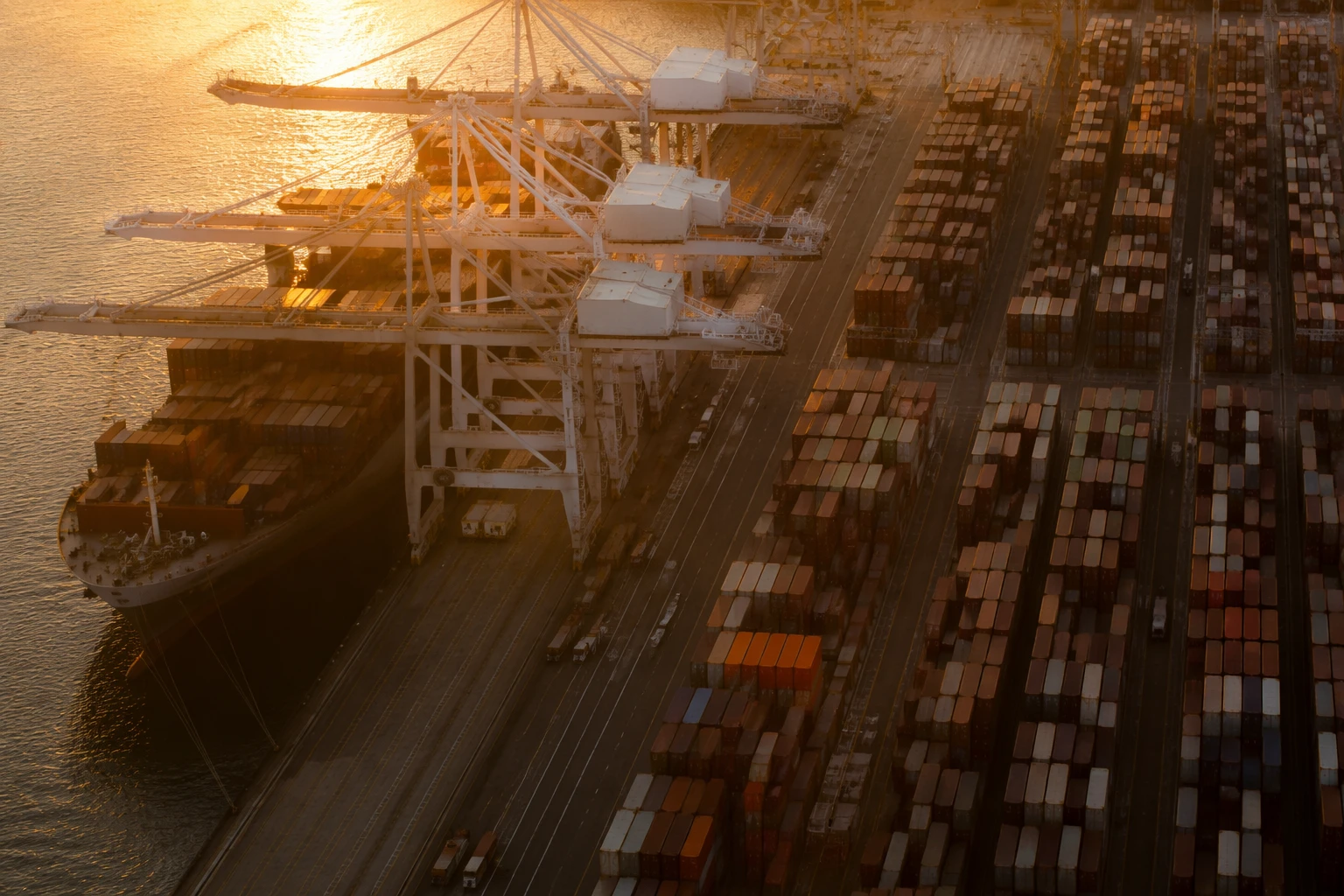
Jamieson Greer, Trump’s top trade official, cast the tariffs as a legal path forward after earlier tariff efforts ran into court roadblocks. That framing puts the policy squarely in the middle of a larger fight over presidential power, because the administration has moved toward trade-law tools tied to Section 301, the trade remedy authority Congress established for foreign trade practices. Congressional Research Service materials on Congress.gov link that authority to trade disputes and forced-labor issues, making the new tariffs look less like a one-off emergency measure than a deliberate shift to a different legal footing.
The legal test arrived almost immediately. U.S. small businesses filed a lawsuit on July 24 challenging the new forced-labor tariffs, and the latest round of duties also drew a fresh legal challenge after taking effect. That puts the administration back in court just as it tries to use tariff law to police supply chains and pressure trading partners abroad.
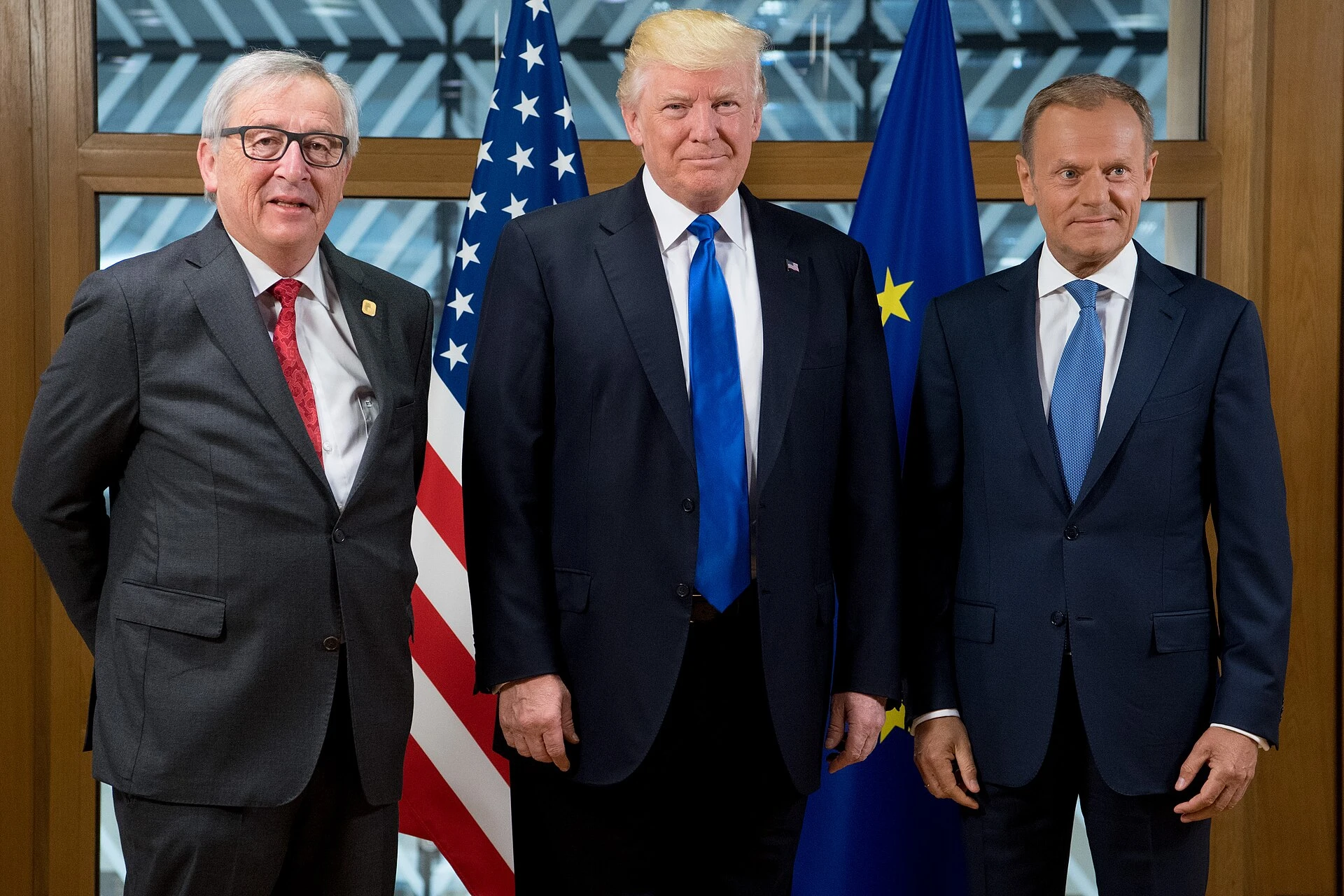
Trading partners in Europe and Asia reacted with anger and dismay as the new duties landed. For Washington, the issue is no longer only whether forced labor is being stopped at the border, but whether a president can use tariff authorities to do what Congress has not explicitly signed off on. The exemptions, the broad reach across 60 economies and the immediate lawsuit ensure that the fight over these tariffs will move as fast in the courts as it does in global trade flows.
Sources
- [1]news.google.com
- [2]reuters.com
- [3]cbsnews.com
- [4]thehill.com
- [5]bloomberglaw.com
- [6]congress.gov
- [7]ustr.gov
- [8]apnews.com