Sports
Trump intervention sparks backlash over Balogun World Cup ban reversal
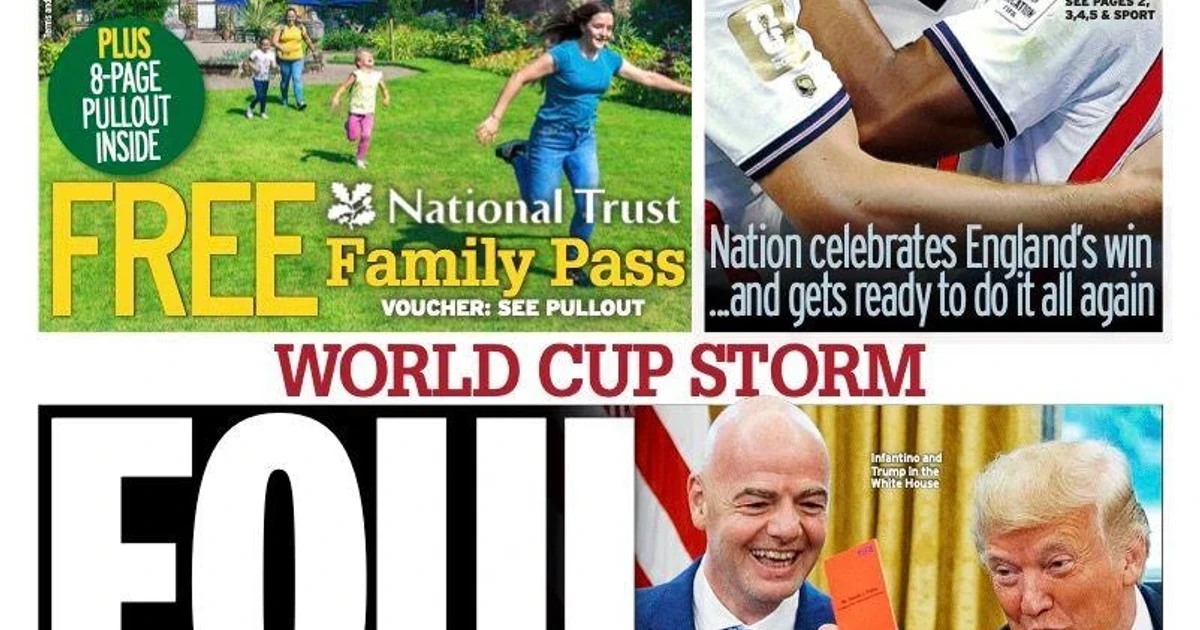
FIFA’s decision to clear Folarin Balogun to face Belgium after Donald Trump pressed Gianni Infantino over the red-card case quickly became more than a disciplinary ruling. The move, which left Balogun eligible for Monday’s last-16 match, was treated in many capitals as a test of whether FIFA could keep its distance from White House pressure.
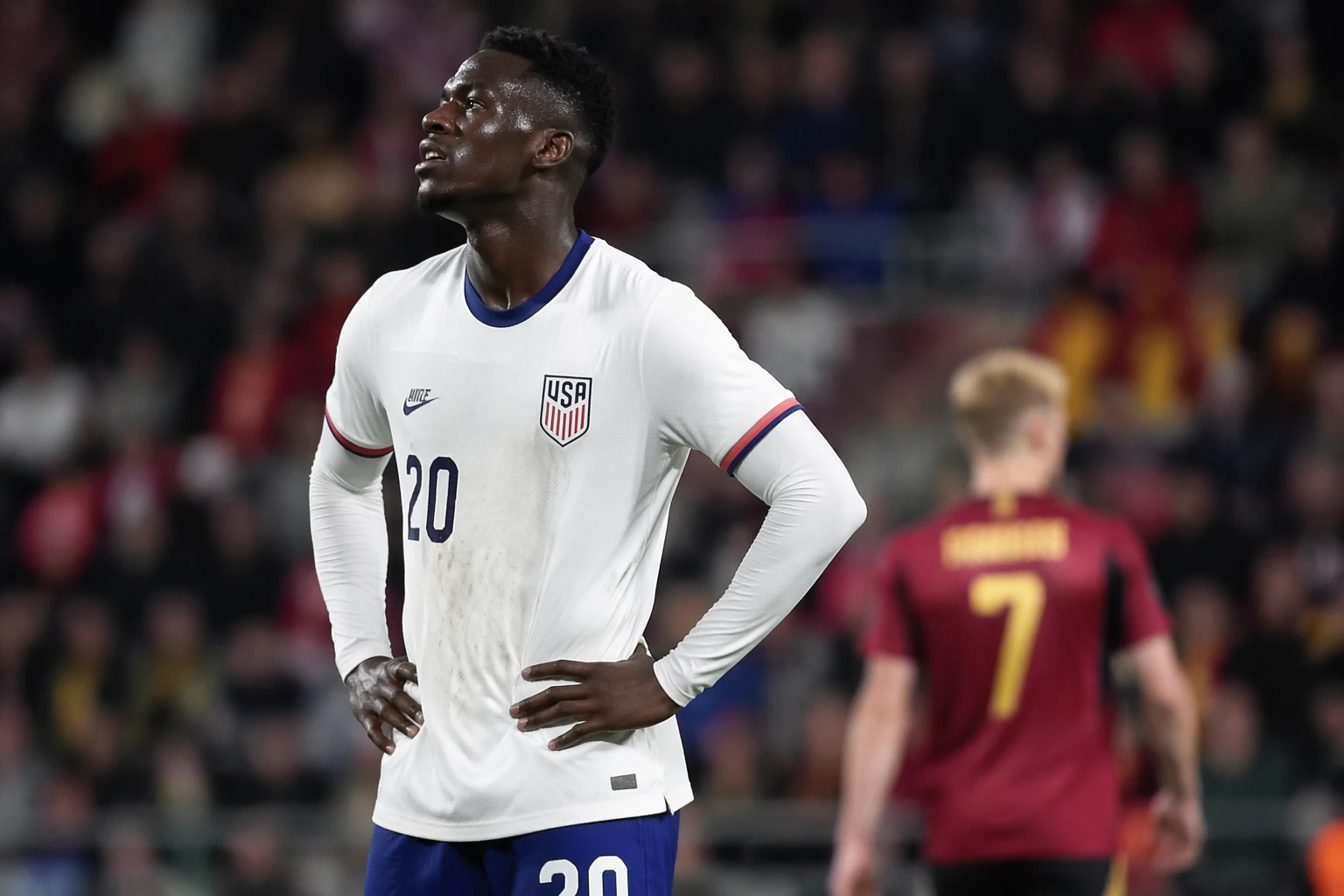
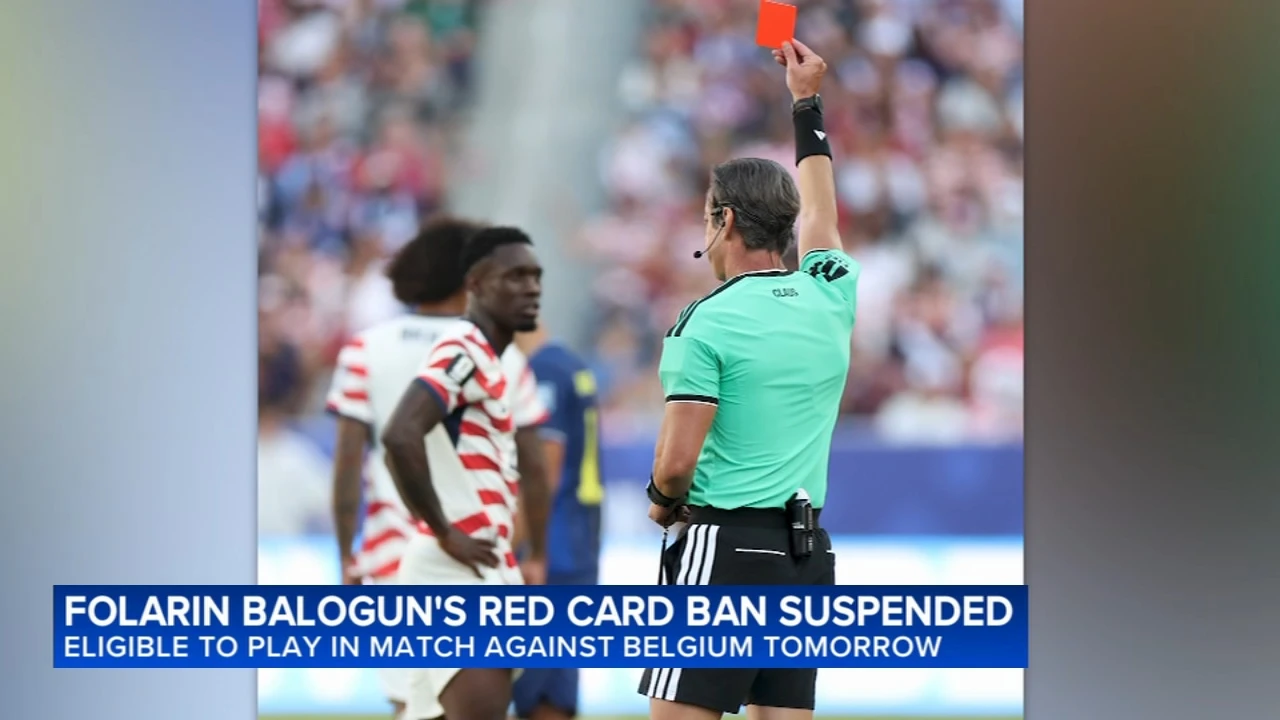
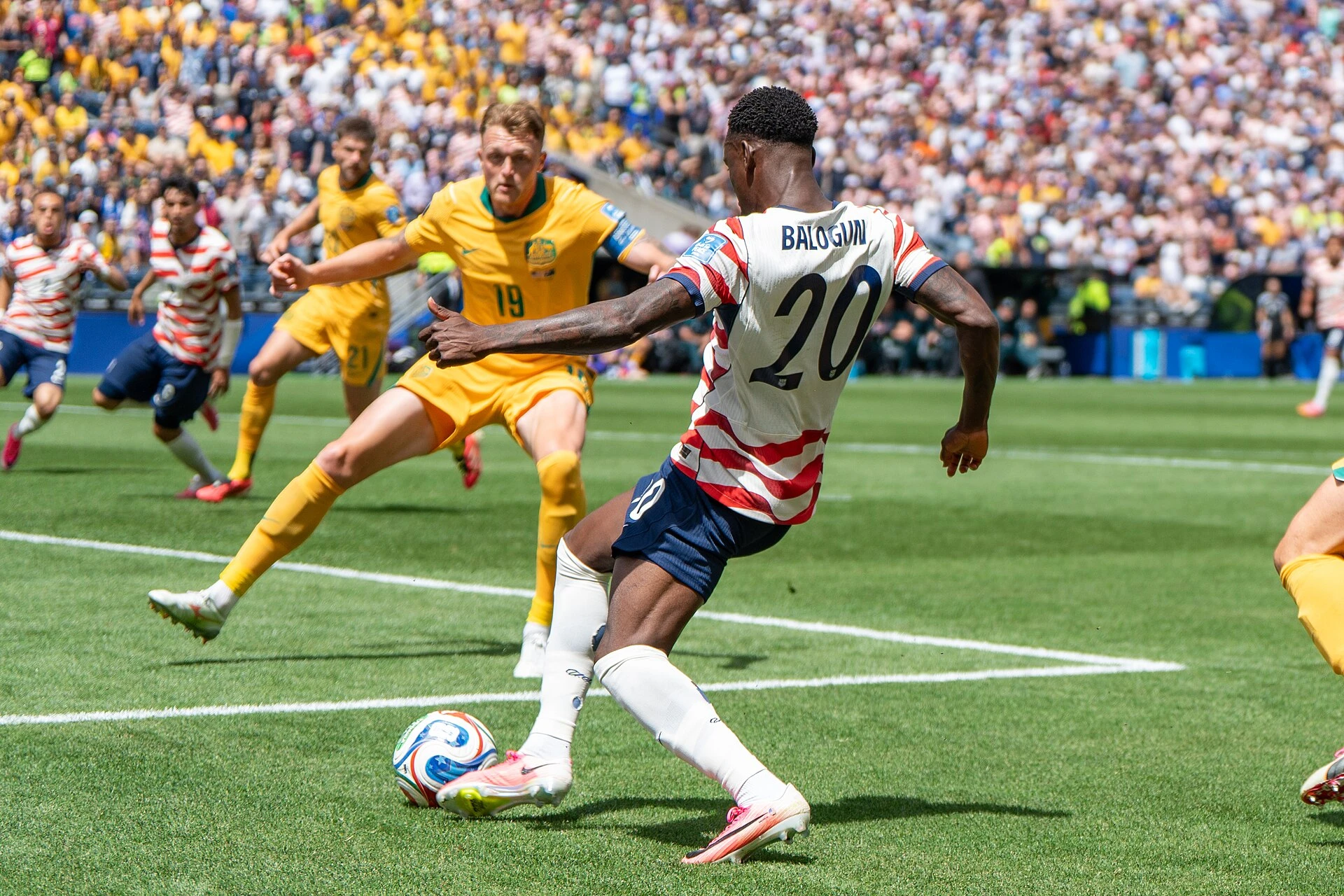
Balogun had been sent off after a VAR review in the United States’ 2-0 win over Bosnia and Herzegovina, following a challenge that planted his boot into the ankle of Tarik Muharemovic. The United States striker had already scored his third goal of the tournament before the dismissal, and FIFA later said the automatic match suspension was paused for a one-year probationary period under article 27 of its Disciplinary Code rather than erased outright.
Trump then celebrated the outcome on Truth Social, calling FIFA’s move a reversal of “a great injustice.” The White House added its own display of approval with a post reading “USA-USA-USA” on X. Belgium reacted angrily, and the broader response in the football world turned on the same question: whether FIFA had corrected a bad call or weakened the rules it relies on to govern its tournament.
The controversy carried added weight because it followed Trump’s repeated attempts to insert himself into World Cup matters. In 2025, he threatened to move 2026 World Cup matches out of U.S. host cities he considered unsafe. Victor Montagliani, FIFA’s vice-president, responded in October 2025 that “It’s FIFA’s tournament, FIFA’s jurisdiction, FIFA makes those decisions,” and pointed to the 11 U.S. host cities, along with three in Mexico and two in Canada, that are already under contract.
That larger dispute is why the Balogun case landed so hard. The 2026 World Cup will be the first staged in North America since 1994, and the sight of a player’s suspension being reconsidered after direct intervention from a sitting president fed unease well beyond one match. What might have stayed a sporting controversy instead became a political story about who really holds power over the tournament, and how fragile FIFA’s independence can look when Washington applies pressure.
Sources
- [1]bbc.co.uk
- [2]uk.news.yahoo.com
- [3]channelnewsasia.com
- [4]time.com
- [5]si.com