Politics
Trump Iran ceasefire eases gas prices, but deal remains fragile
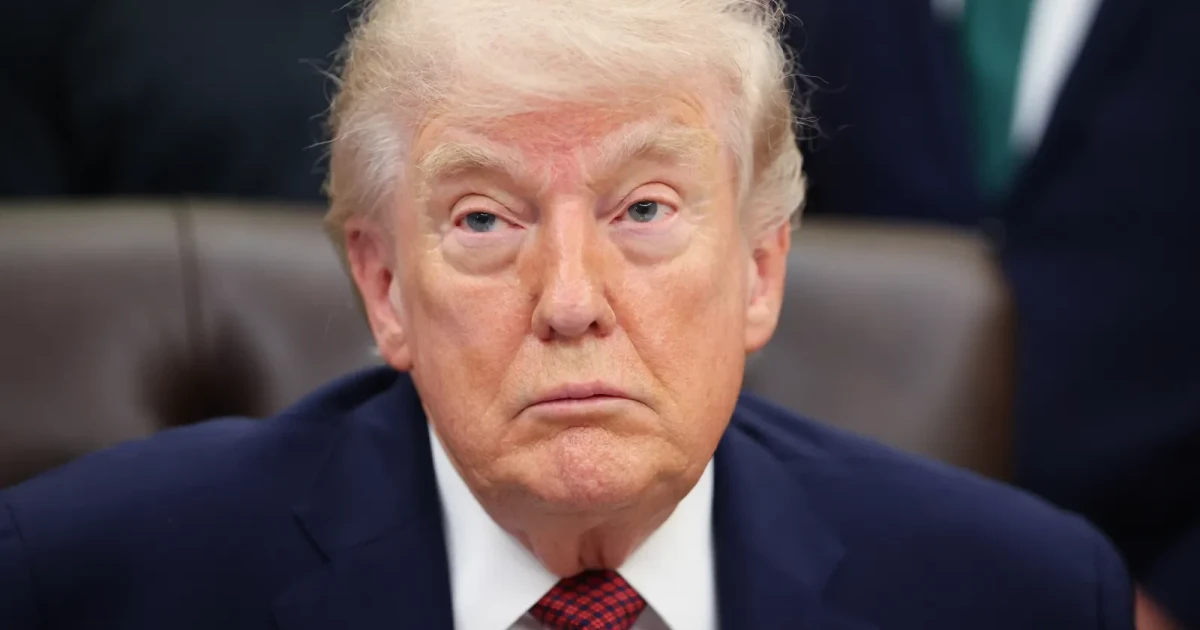
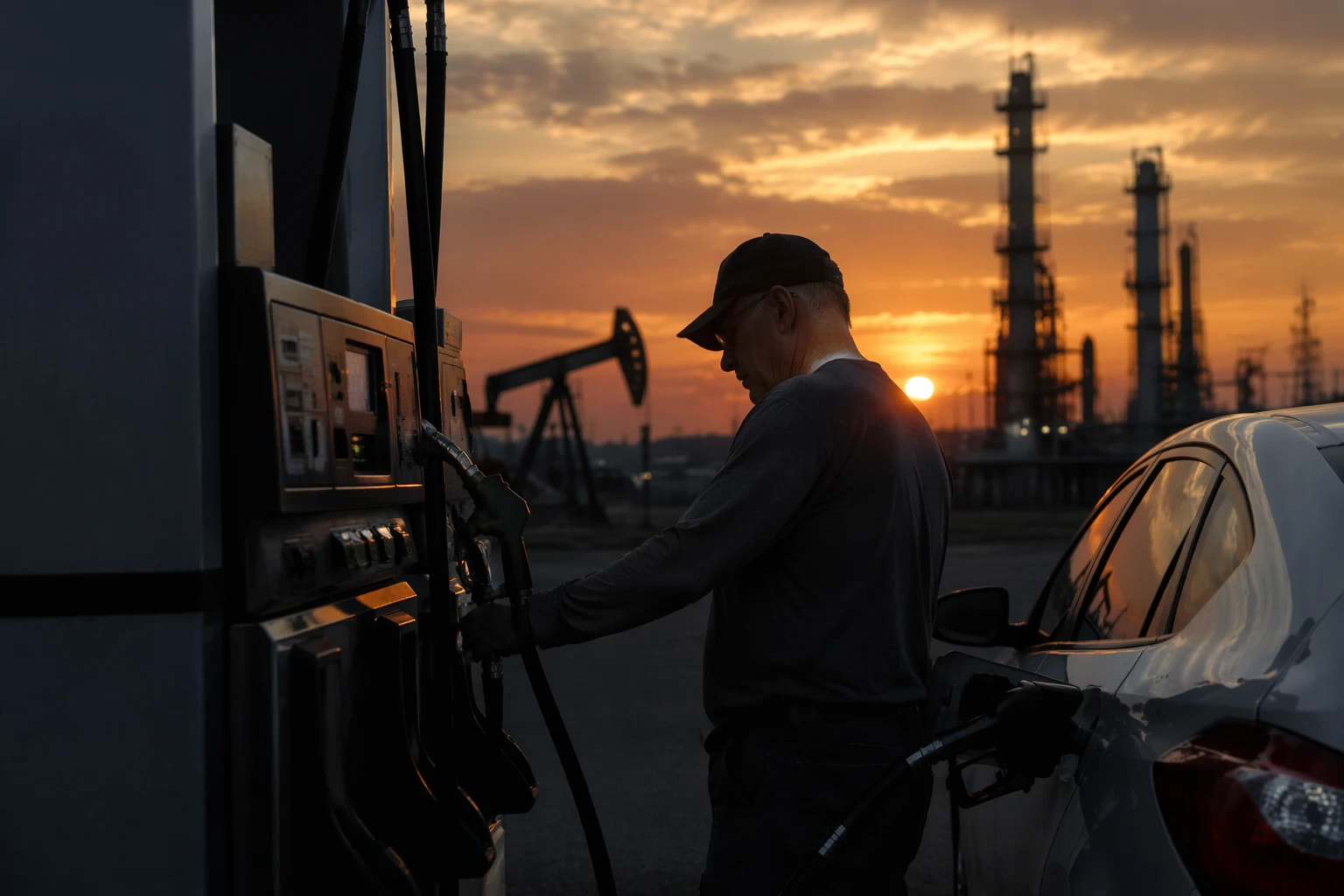
Gasoline prices have slipped from a pre-Memorial Day peak of $4.56 a gallon to just above $4, giving Donald Trump a brief economic breather as his fragile ceasefire with Iran becomes a midterm test of whether voters reward lower pump prices or punish the war that sent them soaring.
The conflict began on February 28, 2026, with joint U.S.-Israeli strikes on Iran and then dragged through more than three months of stop-start fighting and negotiations. Trump and Iranian officials announced a preliminary agreement on June 14-15 to halt the war and reopen the Strait of Hormuz, the narrow waterway that normally carries about one-fifth of the world’s oil. The deal also set up a 60-day period for further talks, leaving the broad outline of peace still unsettled.
That uncertainty is the core problem for markets and politics alike. The agreement leaves Iran’s nuclear program unresolved, and follow-up diplomacy has already been strained by accusations of ceasefire violations and postponed technical talks. A senior Iranian official said the United States would agree to release $25 billion of frozen Iranian assets, while Iran’s deputy foreign minister said a more expansive arrangement would be negotiated during the 60-day ceasefire period.
Even if the fighting cools, analysts say gasoline prices could take months to return to pre-war levels. Inventories are still low, tanker traffic has been delayed, ports have been bottlenecked, summer demand remains strong, and shipping through the Strait of Hormuz has yet to normalize. That means any relief at the pump may arrive slowly, even after the geopolitical headline has turned positive.
The politics are already dividing along familiar lines. Democrats are arguing that Trump started an economically painful war that produced nothing positive, and they are using the damage to attack both his foreign policy and his broader handling of the economy. Republicans, meanwhile, are split between skepticism that the ceasefire amounts to a real geopolitical win and relief that falling gas prices could blunt one of their biggest vulnerabilities in November.
The pressure matters because Trump and congressional Republicans have already floated suspending the federal gas tax as prices climbed ahead of the 2026 midterm elections. For now, the ceasefire offers a possible turn in the political weather, but with the Strait still fragile and Iran’s nuclear file unresolved, the relief at the pump may prove temporary.
Sources
- [1]nytimes.com
- [2]politico.com
- [3]al-monitor.com
- [4]usnews.com
- [5]cnbc.com
- [6]factcheck.org
- [7]cfr.org
- [8]thehill.com