World
Trump-Iran ceasefire leaves Netanyahu facing political and security squeeze
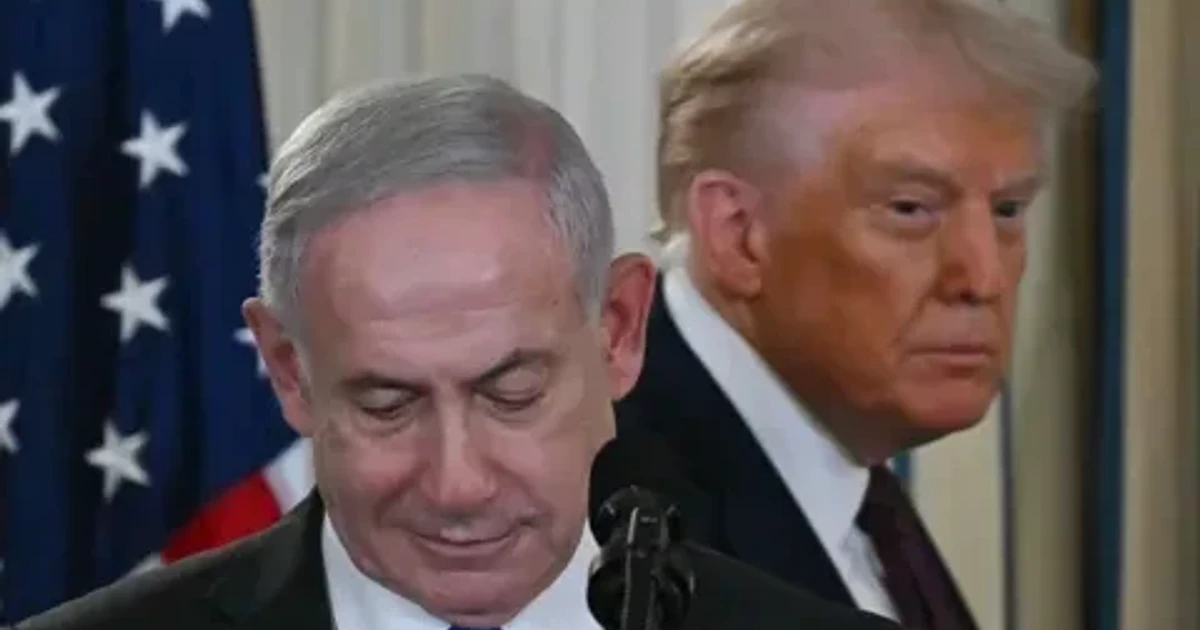
Donald Trump’s ceasefire with Iran has left Benjamin Netanyahu squeezed between his own security camp and a public tired of open-ended war. He had wagered that fighting alongside Trump would weaken Iran’s clerical rulers and strengthen him before elections at home, but the halt in hostilities has instead exposed how much he depended on the alliance.
The preliminary understanding is expected to reopen the Strait of Hormuz and ease pressure on Iranian shipping, while leaving Iran’s nuclear program unresolved. For Israel, that is a hard sell. The core fears that drove the confrontation, Iran’s nuclear enrichment, its ballistic missiles and its support for armed groups across the region, remain on the table, and Israeli officials feared the negotiating period could simply stretch out long enough to limit Israel’s military freedom of action.
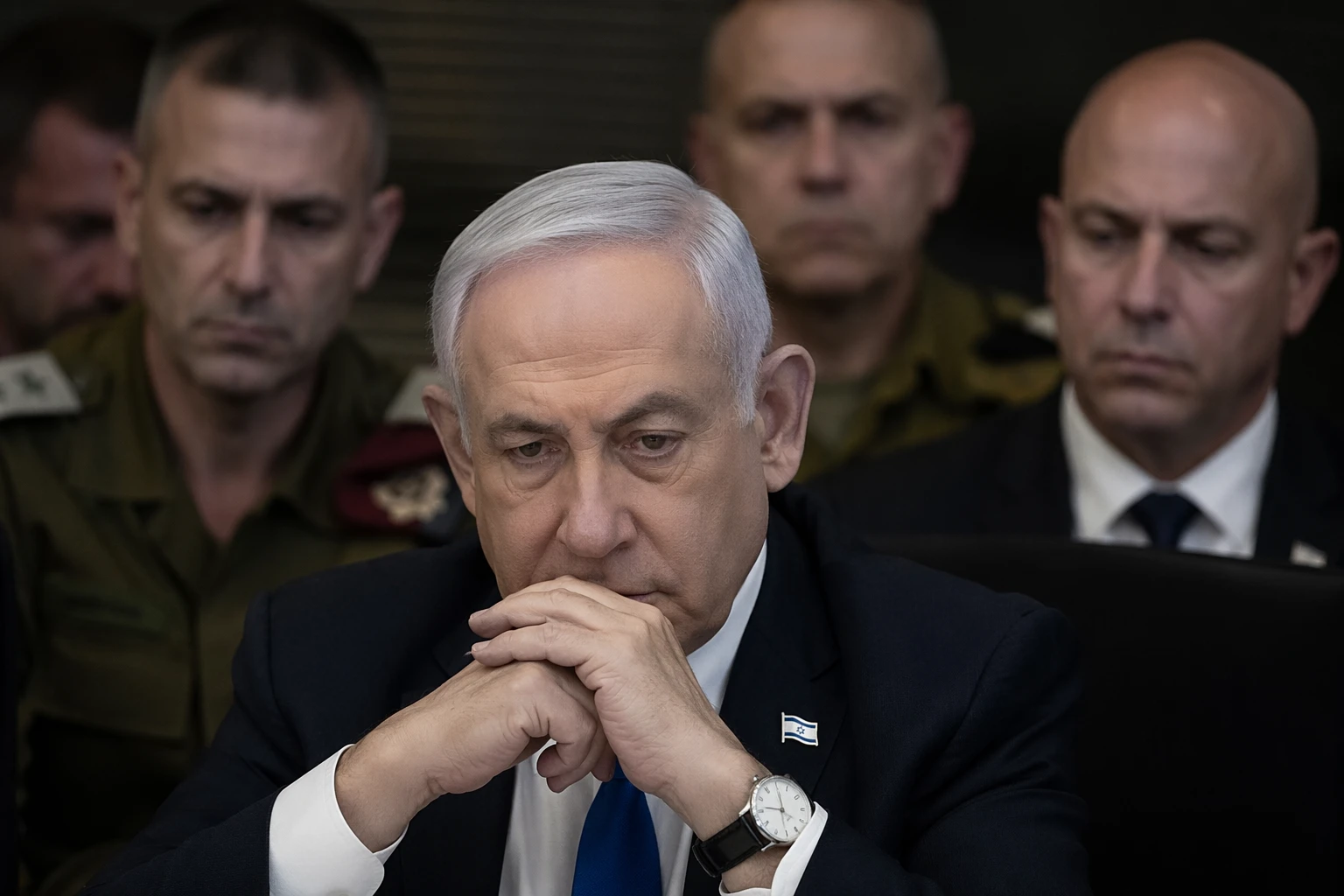
Netanyahu has tried to answer that pressure by insisting Israel will not be bound by the agreement. He has also said Israeli forces will remain in Lebanon, even as the Trump administration pushed him to curb further escalation. Defense officials have reinforced that line, saying the Israel Defense Forces will stay in southern Lebanon and retain the ability to strike Iran hard if needed. Netanyahu himself said he had saved Israel from annihilation and insisted Israel’s freedom of operation in Lebanon was intact.
The political timing could hardly be worse. Netanyahu’s Likud Party said on June 10, 2026, that he would seek re-election, and Israel must hold its next election by October 2026. That puts his relationship with Trump under a harsher domestic spotlight. What once looked like a strategic partnership now risks becoming a liability if voters conclude that Netanyahu gave away leverage without forcing a stronger settlement.
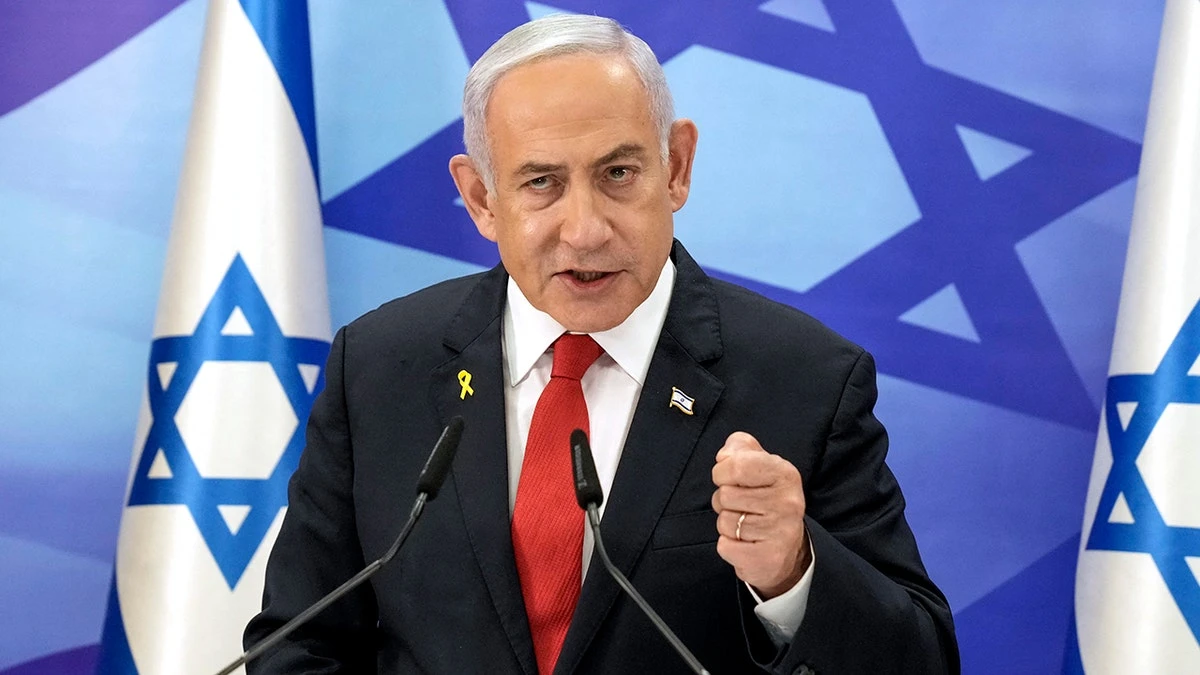
The criticism has cut across the Israeli political map. Opposition leader Yair Lapid said on May 25 that the emerging deal was “bad for Israel, bad for the region, bad for the citizens of Iran.” Other criticism focused on the same long-running security issues, especially Iran’s enrichment program, its ballistic missiles and Tehran’s backing for armed groups. Reports from June 15 said anger over the interim U.S.-Iran deal spread widely across Israeli society, with blame landing heavily on Netanyahu.

That leaves him with a narrower definition of victory. He must reassure hard-liners that Israel still has room to act, convince coalition allies that the ceasefire does not mean retreat, and persuade voters that a pause in fighting is not the same as surrender. With Iran’s nuclear file still open and Israel’s election clock ticking toward October, Netanyahu is left defending a deal he did not fully shape and cannot easily celebrate.
Sources
- [1]bbc.com
- [2]globalbankingandfinance.com
- [3]nytimes.com
- [4]timesofisrael.com
- [5]usnews.com
- [6]washingtonpost.com