World
Trump Iran deal draws GOP skepticism over lack of details
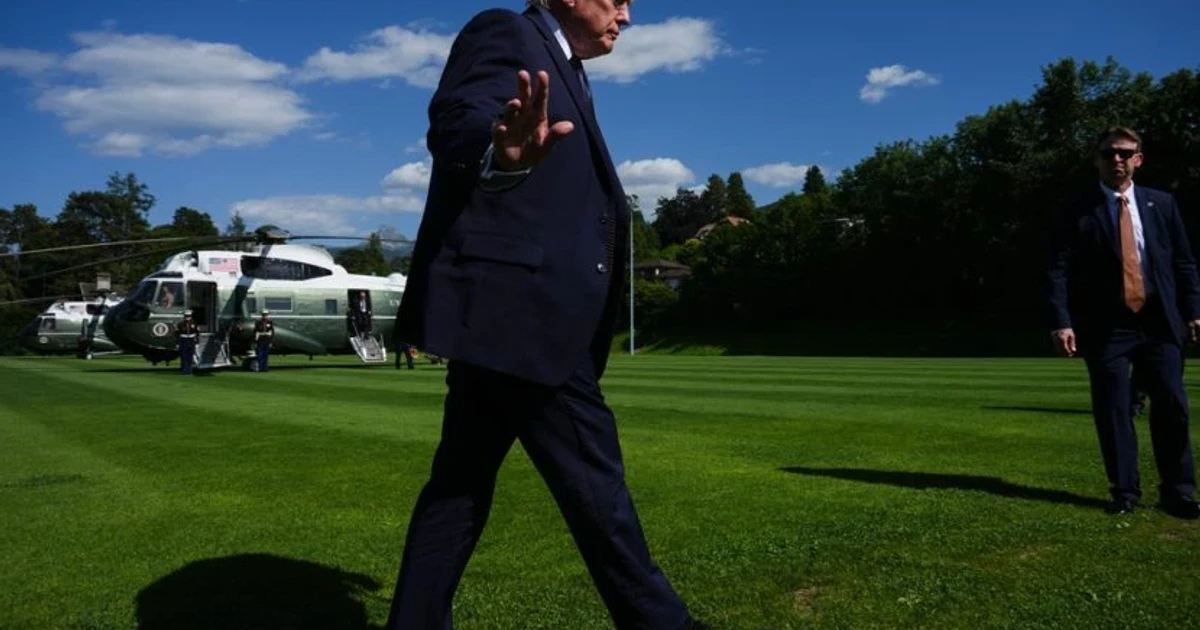
Donald Trump’s Iran accord was supposed to signal strength, but the first Republican reaction was skepticism over what, exactly, he had signed. The White House had not immediately released the memorandum of understanding, and Republicans on Capitol Hill said they needed to see the text before deciding whether the deal deserved a congressional vote or was simply an executive agreement.
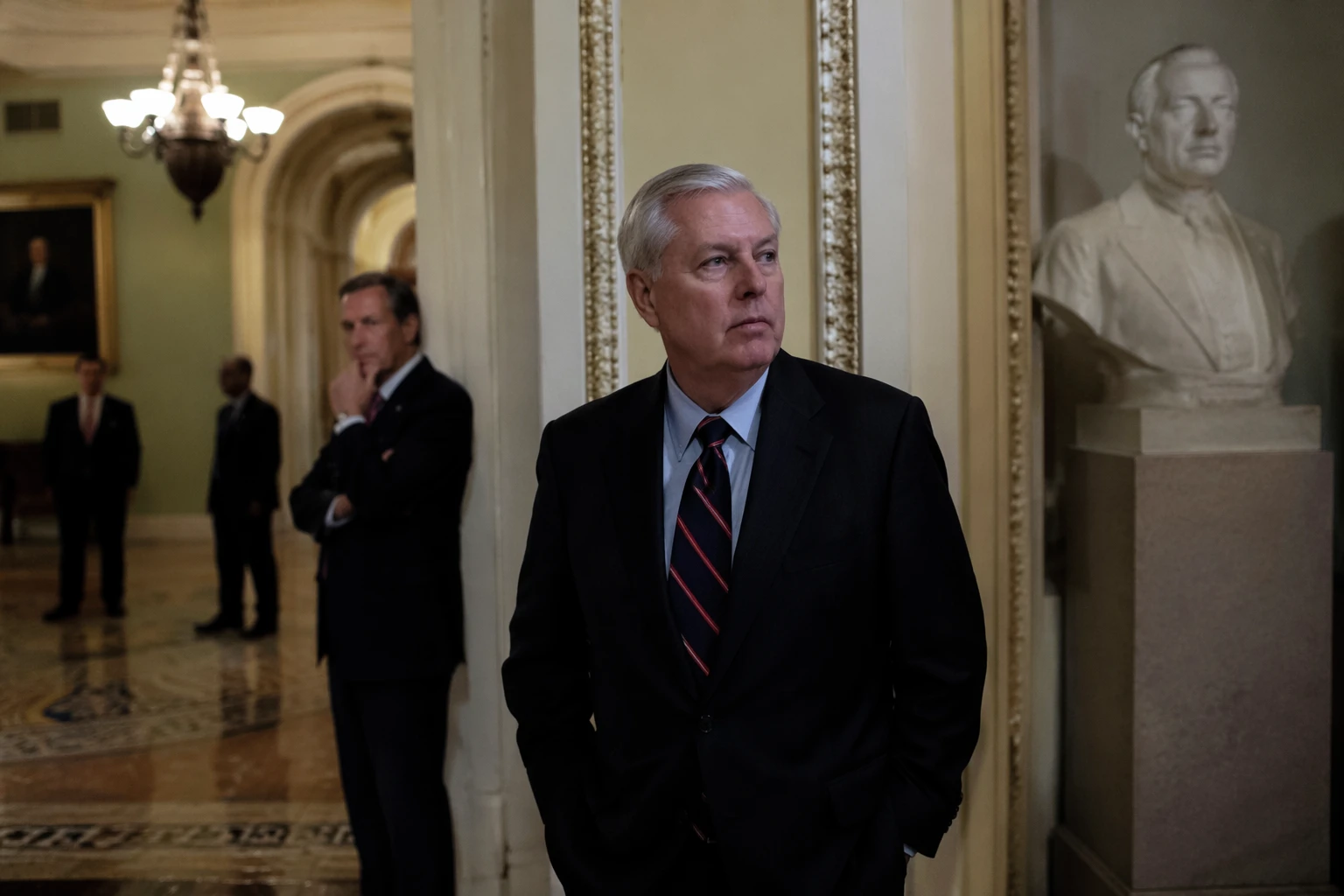
The sharpest pushback came from senators who have long backed a hard line on Tehran but now wanted more than a headline. James Lankford said, “If you want a deal to last, it can’t be an executive agreement.” Lindsey Graham praised the version described by U.S. officials as “really very good,” but said the Iranian version sounded “awful,” warning that if Iran can enrich uranium “anywhere at all,” the deal would not be much different from the Obama-era JCPOA.
That concern exposed a broader split inside the post-intervention Republican coalition. One faction still wants maximum pressure, verifiable limits and a formal role for Congress. Another is prepared to back Trump if he can claim he avoided a larger war. For hawks, the problem was not only the substance but the process: a 60-day ceasefire or interim memorandum, not a final treaty, with the administration promising the text by Friday only after criticism hardened on Capitol Hill.
The terms already circulating fed the unease. Reports said the deal reopened the Strait of Hormuz to commercial shipping and lifted the U.S. naval blockade, while Reuters said the memorandum ran 14 points and had been digitally signed by Trump and Iranian President Masoud Pezeshkian. Iran said it was already in effect, but also said talks toward a permanent agreement would continue only after Washington fulfilled its commitments.
The economic stakes were enormous, and that made the missing details more politically dangerous. Early reporting suggested Iran could sell oil again, sanctions could be lifted and as much as $300 billion could flow into economic development. At the same time, U.S. officials said Iran had not yet destroyed enriched nuclear material, dismantled nuclear sites or accepted a finished inspection regime. For critics, that looked like relief up front and verification later.
The backlash also reached back to the fight over Barack Obama’s 2015 nuclear deal, which Republicans attacked as too lenient and which Congress subjected to review legislation that year. That history now hangs over Trump’s bargain: if Republicans demand scrutiny, they are defending the same congressional prerogatives they once used against Obama. If they do not, the party risks defining strength as loyalty to Trump alone, even when the details remain undisclosed.
Sources
- [1]nytimes.com
- [2]politico.com
- [3]time.com
- [4]reuters.com
- [5]cnbc.com