World
Trump, Iran trade threats as Gulf allies intercept drones
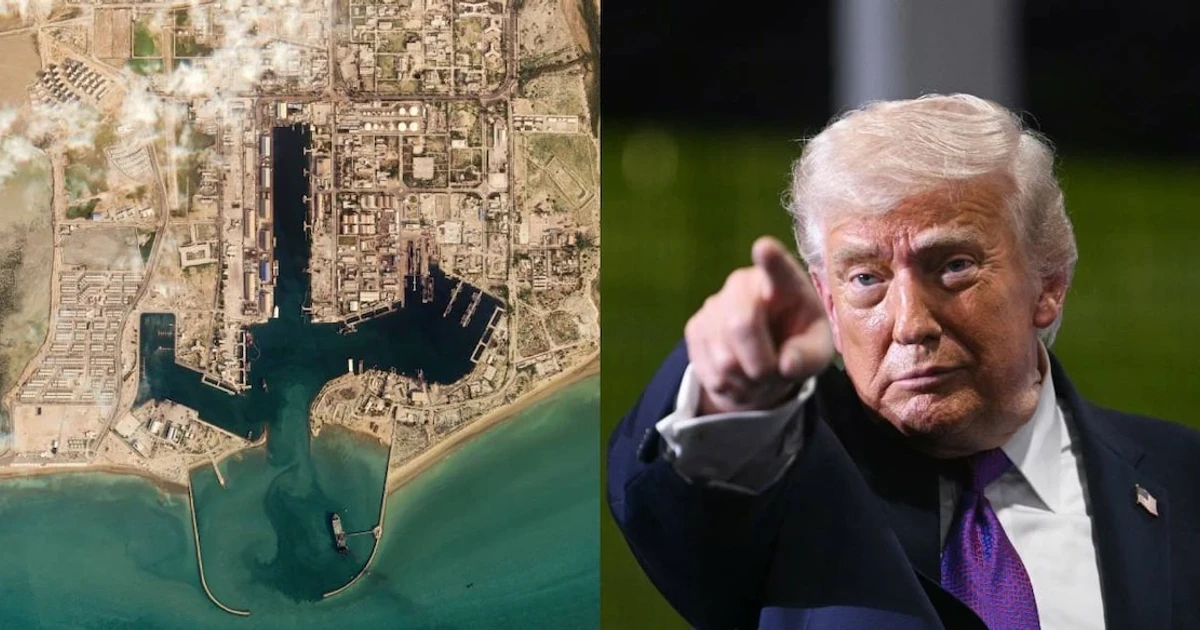
U.S. and partner forces intercepted Iranian missiles and drones aimed at Gulf targets, while Iran’s Revolutionary Guard said it had launched fresh attacks on Bahrain and Kuwait in retaliation for American airstrikes on Iranian military sites. The exchange pushed the conflict into a fourth day and sharpened fears that the fighting could spill from isolated strikes into a broader regional war.
The latest round underscored how quickly the escalation ladder is climbing. The United States said its strikes hit Iranian missile, drone and coastal radar sites near the Strait of Hormuz, including positions on Qeshm Island and other coastal locations, after Iranian attacks on shipping and U.S.-linked targets. Iran answered with drone and missile launches toward Bahrain and Kuwait, where the Bahrain Interior Ministry said an Iranian drone hit a residential building in Muharraq and Kuwait’s foreign ministry condemned the attacks as a violation of sovereignty.
The attacks also tested the defense network built around American and Gulf military sites. The Islamic Revolutionary Guard Corps said it targeted the U.S. Ali Al Salem airbase in Kuwait and the U.S. Fifth Naval Fleet at Port Salman in Bahrain, while the U.S. military and allied forces said they intercepted incoming projectiles before many could reach intended targets. Qatar said there were no casualties at Al Udeid after the Iranian attacks, but Bahrain and Kuwait both activated air defenses as Gulf states moved to a higher alert level.
The current fighting is tied to earlier violence after Iran downed a U.S. Apache helicopter near the Strait of Hormuz in June, a blow that widened the crisis and left ceasefire efforts under strain. By the time hostilities entered a fourth day on June 28, 2026, the clash was already disrupting efforts to preserve a fragile ceasefire and broader talks on reopening the Strait of Hormuz and limiting Iran’s nuclear program, two issues on which Washington and Tehran remain far apart.
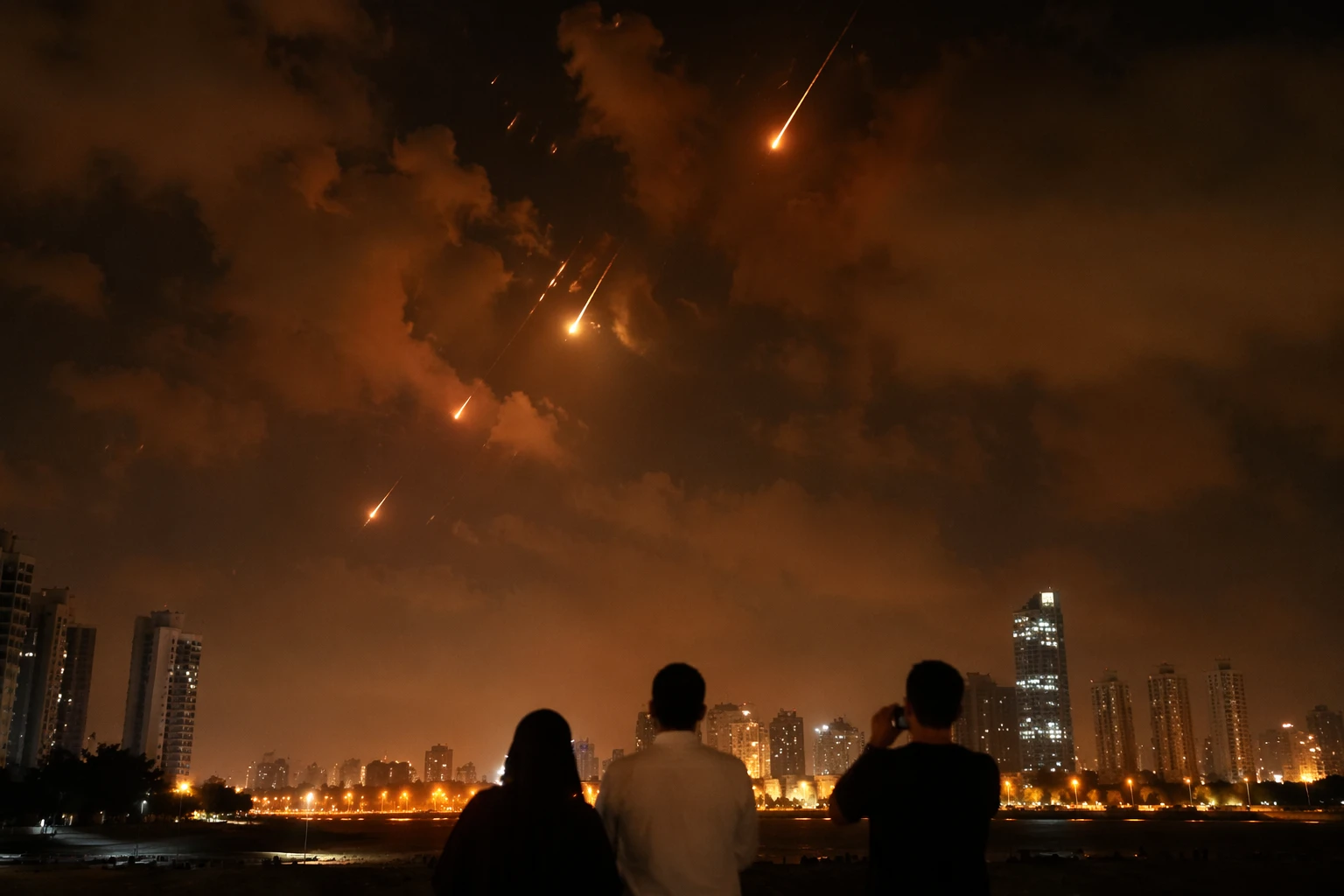
What would mark a true widening is clear from the pattern so far: sustained strikes that start hitting U.S. bases, Gulf infrastructure or commercial shipping without being intercepted. So far, some Iranian projectiles have fallen short or been shot down before reaching their targets, but even those near misses have forced Bahrain, Kuwait and Qatar to keep air defenses active and put the Persian Gulf on edge.
Regional mediation has not disappeared, but it has been weakened by the latest exchange. The confrontation has already been described as one of the most serious escalations since the April ceasefire, and every new strike raises the risk that a single missile or drone gets through and turns a contained exchange into a wider war around the Strait of Hormuz.
Sources
- [1]nytimes.com
- [2]apnews.com
- [3]aljazeera.com
- [4]stripes.com
- [5]globalsecurity.org