Politics
Trump Issues Orders Targeting Housing Affordability
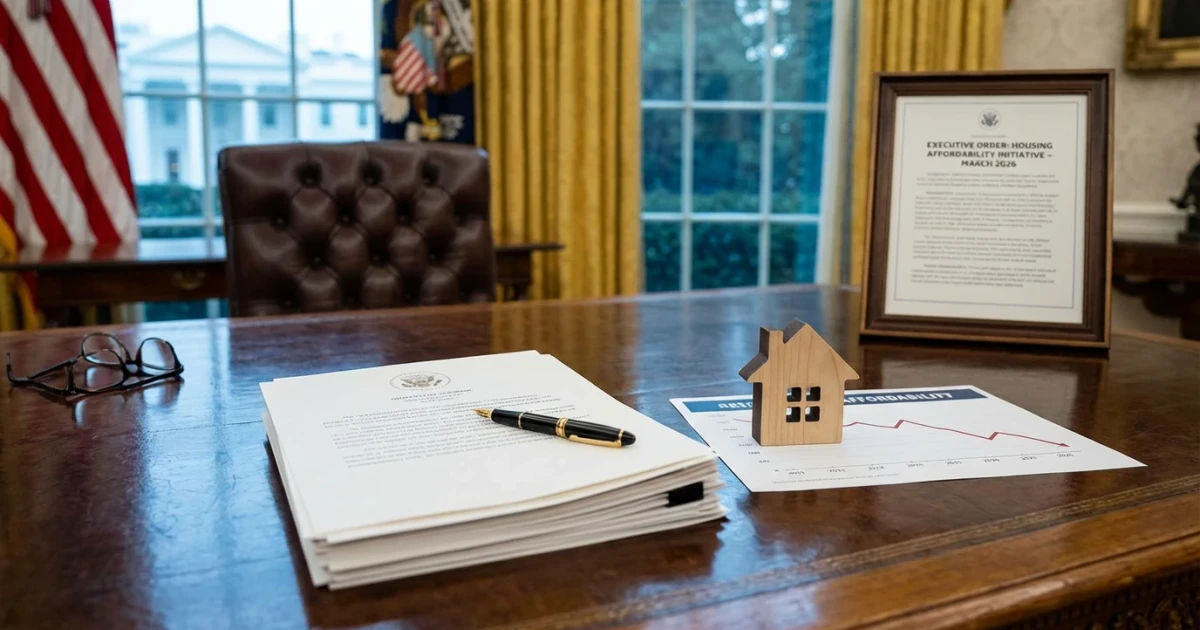
President Donald Trump has signed a series of executive orders aimed at addressing housing affordability in the United States, a move unveiled as the nation prepares for the upcoming midterm elections. The move underscores the ongoing national conversation about the challenges facing homebuyers and renters amid rising prices and limited supply.
Executive Orders Focus on Homeownership and Rental Relief
The executive orders, announced this week, target a range of factors contributing to the escalating cost of housing. While the White House has not released the full text of the orders, the initiative is expected to prioritize expanding access to affordable homeownership, increasing federal support for first-time buyers, and incentivizing new construction to boost housing supply. PBS reported that the timing aligns with growing pressure on federal leaders to address affordability ahead of the midterms.
National Context: Rising Prices and Housing Shortage
- According to the US Census Bureau, new residential home sales have experienced significant volatility in recent years, with median sale prices reaching record highs in several markets.
- Data from the Federal Reserve Economic Data (FRED) show the median sales price of houses sold in the US has continued to climb, creating barriers for many aspiring homeowners.
- The Housing Affordability Index maintained by the National Association of Realtors indicates affordability has reached its lowest level in over a decade, reflecting the strain on many households.
Policy Details and Potential Impacts
While specifics are still emerging, the new executive orders are expected to direct federal agencies to:
- Streamline permitting and reduce regulatory hurdles for new housing construction.
- Expand federal assistance programs for first-time homebuyers, including down payment support.
- Increase funding for affordable rental housing projects in high-demand areas.
These actions build on existing affordable homeownership programs overseen by the Department of Housing and Urban Development (HUD), which provide subsidies, tax credits, and other forms of assistance to eligible households.
Political Implications
The timing of the executive orders, coming just months before the midterm elections, highlights the political salience of housing costs. PBS noted that both parties have faced pressure from voters concerned about the rising cost of living and stagnant wage growth. Housing advocates have called for comprehensive reform, while some analysts suggest the new orders could energize key constituencies, especially younger and first-time homebuyers.
What Comes Next?
Analysts are watching closely to see how these executive actions are implemented and what measurable impact they will have on the market. Some experts point to the need for sustained legislative action to address underlying supply and demand imbalances. The White House’s steps could provide near-term relief but may face challenges from local governments and industry stakeholders.
For those seeking deeper insight into the trends and challenges shaping the housing market, resources like the State of the Nation’s Housing report by Harvard offer comprehensive data and analysis. Meanwhile, the official text and implementation guidelines for the executive orders will be available through the White House Presidential Actions page as they are released.
As the nation approaches the midterms, the effectiveness of these new policies—and their reception among voters—will remain a central issue in the broader debate over affordability and economic opportunity in America.