World
Trump Issues Ultimatum to Iran on Strait of Hormuz
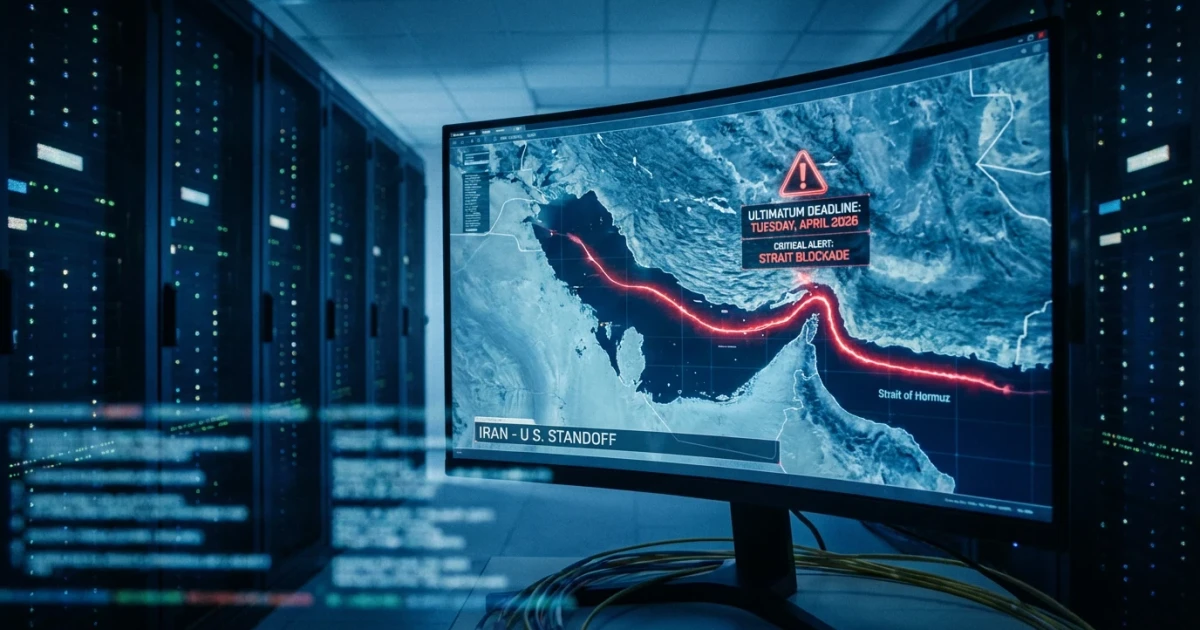
Donald Trump has issued a stark warning to Iran, demanding that it reopen the Strait of Hormuz by Tuesday or face severe consequences, intensifying a diplomatic standoff over one of the world’s most critical oil shipping lanes.
Rising Tensions Over a Strategic Chokepoint
The ultimatum came after a series of escalatory events in the Gulf region, including the recent U.S. rescue of a military colonel, which drew global attention to the high stakes in the area. The Guardian reported that Trump delivered his warning through a curse-filled social media post, increasing pressure on Tehran just days after the strait was closed to international shipping traffic.
The Strait of Hormuz is the world’s most important oil transit chokepoint. According to Maritime Executive statistics, approximately one-fifth of global petroleum liquids consumption passes through the narrow waterway each year. Any prolonged disruption has the potential to roil energy markets, threaten global economic stability, and spark military conflict.
Global Impact and Diplomatic Stakes
- The strait connects the Persian Gulf with the Gulf of Oman and the Arabian Sea, serving as a vital passage for tankers transporting oil from major exporters such as Saudi Arabia, Iraq, and the United Arab Emirates.
- Data from the U.S. Energy Information Administration shows that nearly 21 million barrels of oil per day transited the strait in recent years, underscoring the scale of potential disruption.
- The closure or restriction of this route could significantly affect global oil prices and energy supplies.
Authorities and energy analysts have long warned that any blockage of the strait could lead to a spike in oil prices and widespread economic repercussions. The risk of military confrontation has prompted international calls for restraint and dialogue, but Trump’s ultimatum signals a hardening U.S. position.
Iran’s Role and International Response
Iran has periodically threatened to close the Strait of Hormuz in response to sanctions or military pressure. The country’s strategic calculations are shaped by the intense scrutiny and pressure from both the U.S. and the international community. The United Nations has weighed in on past disputes, with Security Council sanctions aimed at curbing Iran’s nuclear and military ambitions.
While the Iranian government has not issued an immediate official response to Trump’s latest ultimatum, regional analysts note that Tehran may use the strait as leverage in ongoing negotiations over sanctions relief and military de-escalation.
Military and Economic Risks
Experts at the Center for Strategic and International Studies note in their analysis of the Strait of Hormuz that the area is highly militarized, and even minor incidents risk spiraling into broader conflict. The U.S. Navy maintains a significant presence in the Gulf, and allied navies regularly conduct patrols to safeguard commercial shipping.
- There have been numerous past incidents involving the seizure or harassment of oil tankers in the region, raising insurance costs and complicating maritime logistics.
- Global oil markets often react sharply to events in the strait, with price spikes following any perceived threat to shipping security.
Looking Forward
The coming days will be critical for both diplomatic and military actors in the region. Trump’s ultimatum sets a clear deadline for Iranian action, but also raises the risk of miscalculation and unintended escalation. With international energy supplies at stake, the world will be watching closely for signs of concession, confrontation, or compromise in the Persian Gulf.