World
Trump Issues Ultimatum to Iran Over Strait of Hormuz
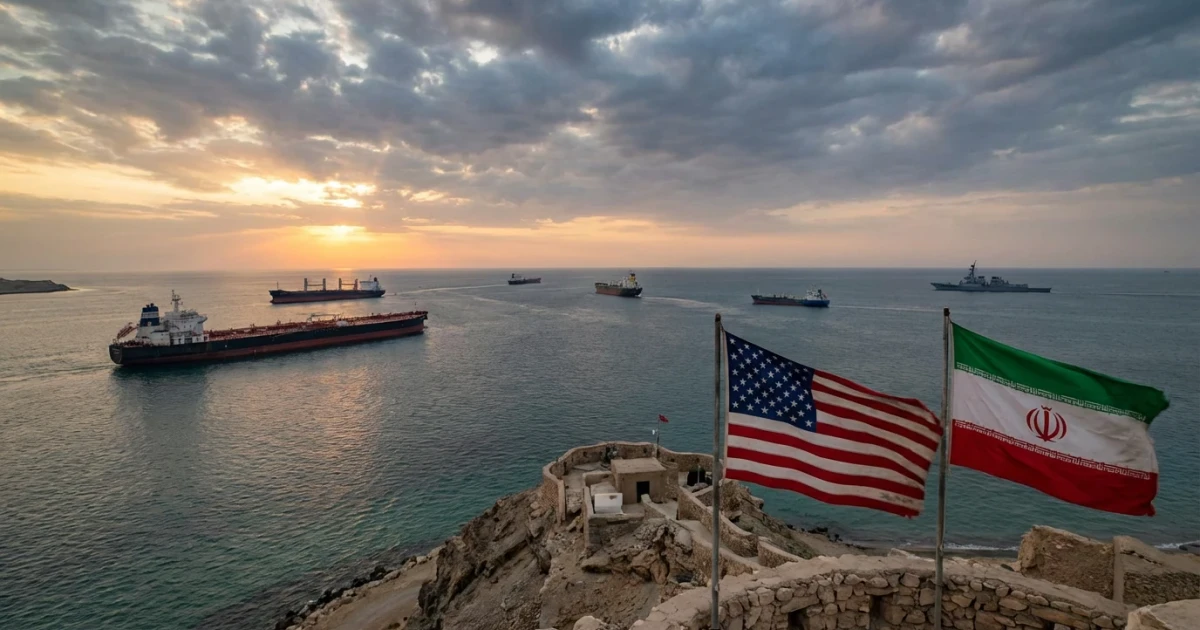
President Donald Trump has issued a 48-hour deadline for Iran to reopen the Strait of Hormuz amid an escalating search for a missing US pilot, intensifying already heightened tensions in the region. The ultimatum, delivered late Friday, comes as US military and diplomatic officials continue efforts to locate the pilot, whose plane reportedly went missing during operations near the vital maritime chokepoint.
Deadline Raises Tensions in Strategic Waterway
The Strait of Hormuz is one of the world’s most critical shipping lanes, with a significant percentage of global oil supply passing through its narrow passage each year. According to data from the U.S. Energy Information Administration, roughly one-fifth of the world’s petroleum liquids consumption transits this corridor. Any disruption to shipping in this area can have immediate repercussions for international energy markets and maritime security.
- The Congressional Research Service notes the Strait’s strategic importance, with over 20 million barrels of oil passing through daily.
- The International Maritime Organization maintains strict security protocols in the region due to repeated incidents involving both state and non-state actors.
US Pilot Missing as Search Continues
The immediate catalyst for the standoff was the disappearance of a US pilot during a mission in proximity to the Strait. US officials have not released the pilot’s name or the specific circumstances leading to the incident but confirmed that search operations are ongoing. The event has sharpened focus on the risks faced by military personnel operating near contested maritime boundaries.
Iran Rejects US Ultimatum
Iranian officials quickly dismissed President Trump’s demand as, in their words, a “helpless, nervous” ultimatum. Tehran has insisted that its actions in the Strait are consistent with international law and has denied responsibility for any obstruction of commercial or military traffic. The United Nations Security Council has previously addressed similar disputes over freedom of navigation in international waters, but no new resolution has yet been issued in response to the latest developments.
Global Concerns Over Maritime Security
International observers are closely monitoring the situation, as any escalation could threaten not only regional stability but also global energy supply chains. The International Chamber of Shipping estimates that thousands of commercial vessels transit the Strait each year, carrying energy supplies to markets across Asia, Europe, and beyond.
- Analysts warn that even a temporary closure could trigger supply shocks and price spikes in global oil markets.
- Military experts note that the US and its allies maintain a significant naval presence in the Gulf to deter threats to shipping and respond to emergencies.
Diplomatic and Military Implications
While the US ultimatum represents a stark warning, the search for the missing pilot adds urgency to the standoff. Both sides have signaled a willingness to defend their interests, but the risk of miscalculation remains high. Diplomatic channels remain open, with international organizations urging restraint and dialogue to prevent further escalation.
Looking Ahead
As the 48-hour deadline approaches, the world is watching to see whether Iran will alter its posture or whether the US will take further action. The outcome could have lasting implications for freedom of navigation, regional security, and the global energy market.