US News
Trump loan overhaul raises student repayment costs, cuts options

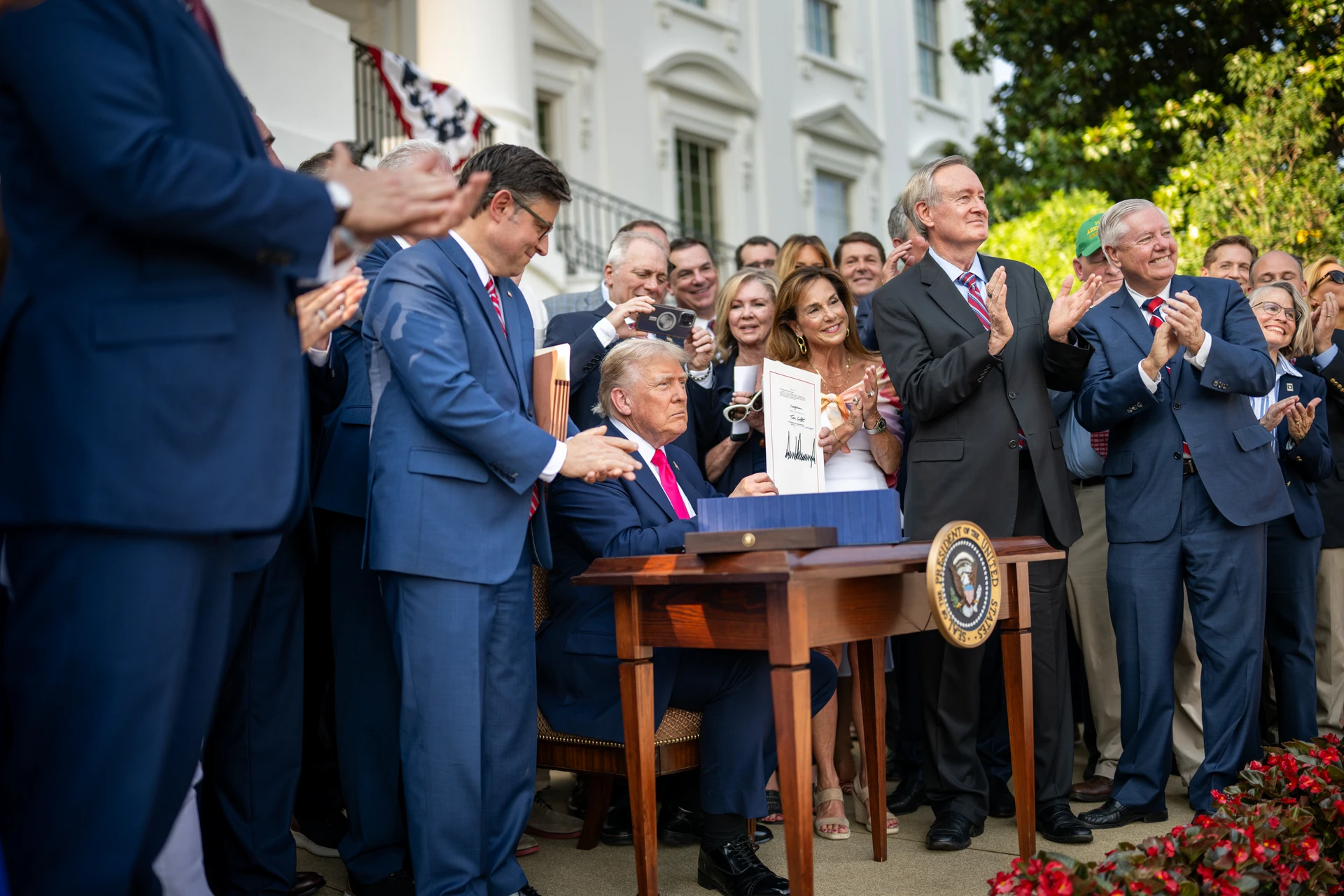
Federal student borrowers will face higher repayment requirements, fewer repayment paths and tighter borrowing caps when the next phase of President Donald Trump’s loan overhaul takes effect Wednesday, July 1. The changes stem from the One Big Beautiful Bill Act, signed into law on July 4, 2025, and the Education Department’s final rule issued April 30, 2026.
The package is meant to simplify a system with seven separate repayment plans and curb overborrowing. The rule amends 17 regulatory provisions. Anyone who takes out a new federal student loan after July 1 will be treated as a new borrower for some repayment purposes, which means a small new undergraduate loan or Parent PLUS loan can affect eligibility across older and newer debt.

For lower-income borrowers, the most significant new path is the Repayment Assistance Plan. Under that plan, payments generally run from 1% to 10% of income, depending on earnings, and remaining balances can be forgiven after 30 years. The other main option, the Tiered Standard Plan, uses fixed payments over four different time frames. Consumer advocates have warned that the Tiered Standard Plan could be too expensive for many borrowers, especially those already stretched by housing, child care and other costs.
The Education Department is eliminating Grad PLUS loans for new borrowing beginning July 1, ending a program that since 2006 allowed graduate students to borrow up to the full cost of attendance with no aggregate limit. New caps will set Parent PLUS loans at $20,000 per year and $65,000 per student total, graduate loans at $20,500 per year and $100,000 total, and professional-degree loans at $50,000 per year and $200,000 total. Federal loans will also carry a $257,500 lifetime cap, excluding Parent PLUS amounts. Undergraduate borrowing limits remain unchanged.

2024-25 Education Department data show that graduate students made up 16.8% of borrowers but received 46.6% of total loan disbursements. About 7.2 million borrowers enrolled in the Biden-era SAVE plan have had payments paused for two years while litigation played out.
Policy groups say the law will push some graduate borrowers into the private market, and one policy analyst called the package unprecedented in scope, saying, “These are the most changes we have seen at this scale in a very long time.” The Education Department's RISE negotiated-rulemaking committee reached consensus on the implementation rules late last year.
Sources
- [1]nbcnews.com
- [2]ed.gov
- [3]cnbc.com
- [4]cbsnews.com
- [5]nasfaa.org