Politics
Trump Misses Texas Senate Endorsement Deadline
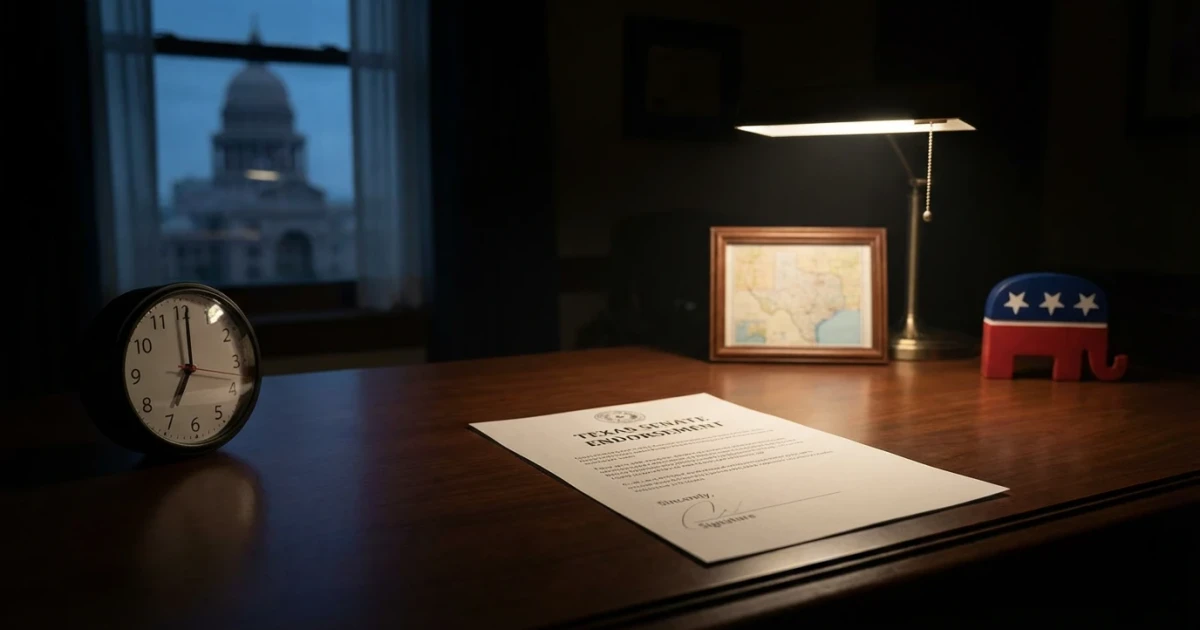
Donald Trump did not endorse any candidate for the Texas Senate race before the official deadline, a notable absence in a contest where his support has often shaped Republican primaries. The deadline for endorsements, tracked closely by party officials and campaign strategists, passed without a statement or backing from the former president, as first reported by Chron.
Trump's Endorsement Influence in Texas
Trump's endorsements have historically played a significant role in Texas Republican politics. According to FiveThirtyEight's database, his support has often coincided with increased fundraising, media attention, and voter turnout for his chosen candidates. In previous cycles, Trump’s picks for high-profile state and federal offices won their primaries at a high rate, solidifying his influence within the Texas GOP.
- In 2024, Trump-endorsed candidates won over 90% of contested Republican primaries in Texas.
- His endorsements typically come via official statements or posts on his social media platforms, often in the weeks leading up to major primaries.
What the Absence Means for the Senate Race
With no clear signal from Trump, Republican Senate candidates must now compete without the benefit—or challenge—of his backing. As documented by the Texas Secretary of State’s office, several high-profile Republicans filed to run for the seat. The lack of an endorsement could make the primary more unpredictable, as candidates will need to build support from the grassroots and influential party figures independently.
Election analysts suggest that the absence of a Trump endorsement could lead to a more evenly contested primary, with no single candidate enjoying a built-in advantage. As of the deadline, the Federal Election Commission’s campaign finance data showed competitive fundraising among the major Republican contenders, but none with a clear breakout lead typically seen after a Trump nod.
Potential Impact on Voter Turnout and Strategy
Historically, Trump’s endorsements have served to energize the party base, sometimes driving higher turnout among specific blocs of voters. Without his explicit guidance, campaigns may shift their strategies to focus more on local issues, policy debates, and direct outreach to traditional Republican voters. This could result in a primary contest decided more by candidate platforms and less by national party dynamics.
- Without Trump’s endorsement, candidates may seek support from other conservative leaders, local officials, or influential organizations.
- Voters who typically follow Trump’s lead may be more divided, potentially lowering turnout or increasing the competitiveness of the race.
Looking Ahead
While Trump’s silence on the Texas Senate race is unusual, it underscores the evolving nature of Republican primaries as the party looks toward future elections. The coming weeks will reveal how candidates adapt and whether one emerges as the favorite among Texas Republicans. For now, the contest remains open—and the absence of a Trump endorsement is the story shaping the early stages of the race.