Politics
Trump moves to restrict birthright citizenship and target birth tourism
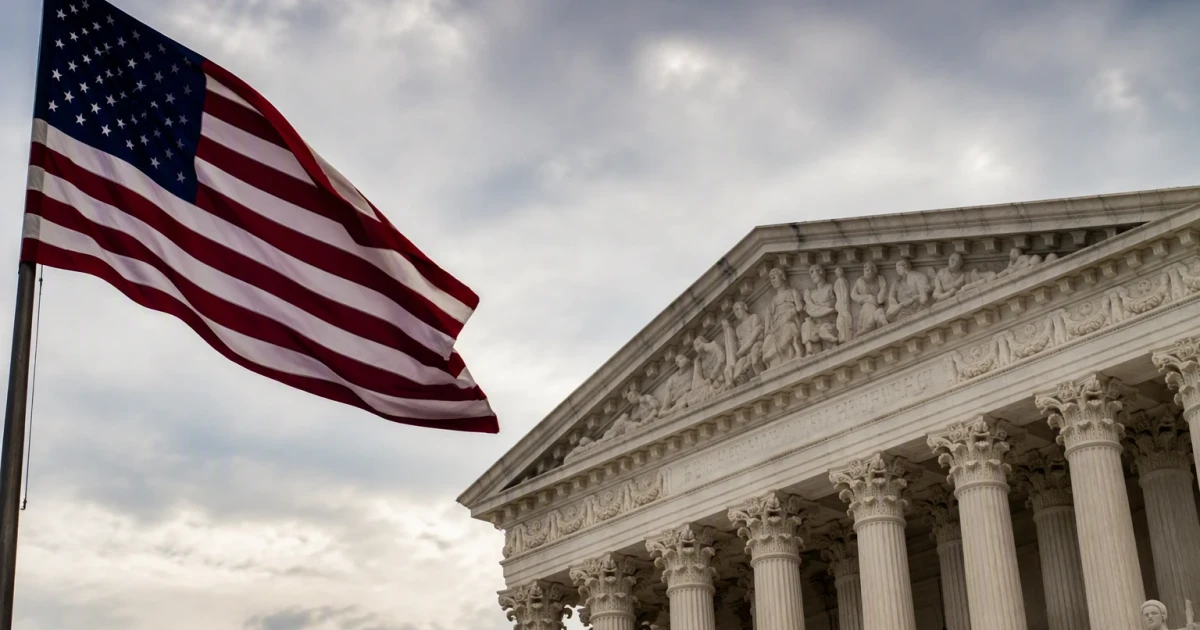
The White House posted an August 2026 presidential action titled “Ending Birth Tourism” and a fact sheet saying President Donald J. Trump was moving again to protect the meaning and value of American citizenship, even after the Supreme Court struck down his order ending birthright citizenship on June 30, 2026.
The new move lands on top of a year-long legal collision course. On January 20, 2025, Trump signed Executive Order 14160, “Protecting the Meaning and Value of American Citizenship,” and tried to narrow who counts as born “subject to the jurisdiction” of the United States. The American Civil Liberties Union said a federal court in New Hampshire blocked that order in a preliminary injunction, while U.S. Citizenship and Immigration Services issued an implementation plan in July 2025 that showed the administration was already preparing guidance before the constitutional fight was over. A separate Supreme Court ruling on June 30, 2025 changed the rules around nationwide injunctions and altered the posture of the case as it moved through the courts.
The practical stakes now run through families, hospitals, immigration lawyers, and state agencies that handle birth records and citizenship paperwork. If the administration tries to translate the new action on birth tourism into federal guidance, those institutions would be the first to feel the pressure, especially in cases involving newborn documentation and parental immigration status. The Migration Policy Institute has described birth tourism as rare but politically important, and the White House is again using that practice to push a broader argument about who should receive citizenship at birth.
The legal problem is that birth tourism sits next to, but does not replace, the constitutional question over birthright citizenship itself. That is why civil-rights groups and immigration lawyers have treated the issue as a test case for larger limits on the Fourteenth Amendment, not just a narrow crack-down on a small number of travelers. The ACLU, NAACP Legal Defense Fund, Asian Law Caucus, American Immigration Lawyers Association, World Relief, and the Inter-American Commission on Human Rights have all criticized or warned against the effort.
Public opinion has not been moving the White House’s way. Pew Research Center found in February 2025 that Trump’s executive order on birthright citizenship drew more disapproval than approval. The administration is still pressing ahead, but the next fight is likely to be about whether any new guidance can survive the same constitutional challenge that took down the earlier order.
Sources
- [1]nytimes.com
- [2]whitehouse.gov
- [3]uscis.gov
- [4]aclu.org
- [5]pewresearch.org
- [6]migrationpolicy.org
- [7]supremecourt.gov
- [8]scotusblog.com