World
Trump name removed from Kennedy Center as U.S.-Iran deal nears
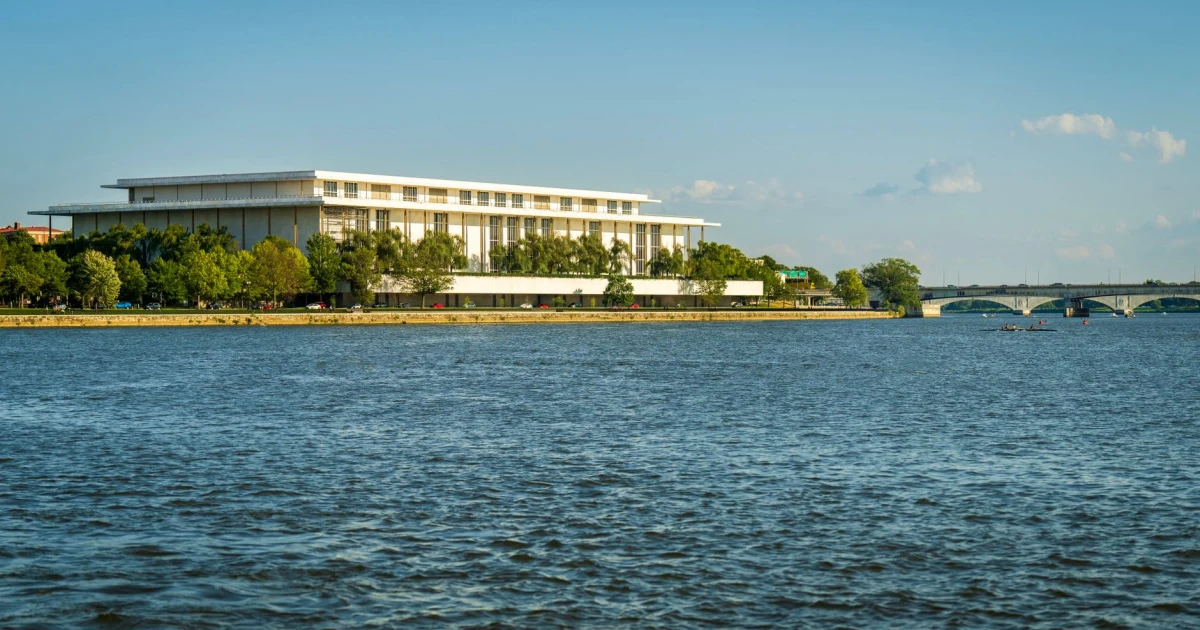
Trump’s name was stripped from the Kennedy Center just as Washington and Tehran moved closer to a fragile agreement that could reshape the fighting between them. The two developments, one about a cultural landmark and the other about a key waterway that carries a major share of global energy supplies, underscored how symbolic conflict and hard-power diplomacy were unfolding at the same time.
U.S. District Judge Christopher Cooper ruled on May 29 that only Congress can change the Kennedy Center’s name, because Congress gave the institution its name in 1964. He ordered Trump-related references removed by the end of Friday, June 12, and the court rejected the administration’s emergency bid to keep the name up. After the Kennedy Center said storms delayed the work, the judge granted a brief extension until noon EDT on Saturday, June 13. The administration then filed a notice saying the signage, website references, and trademark applications tied to Trump’s name had been removed.
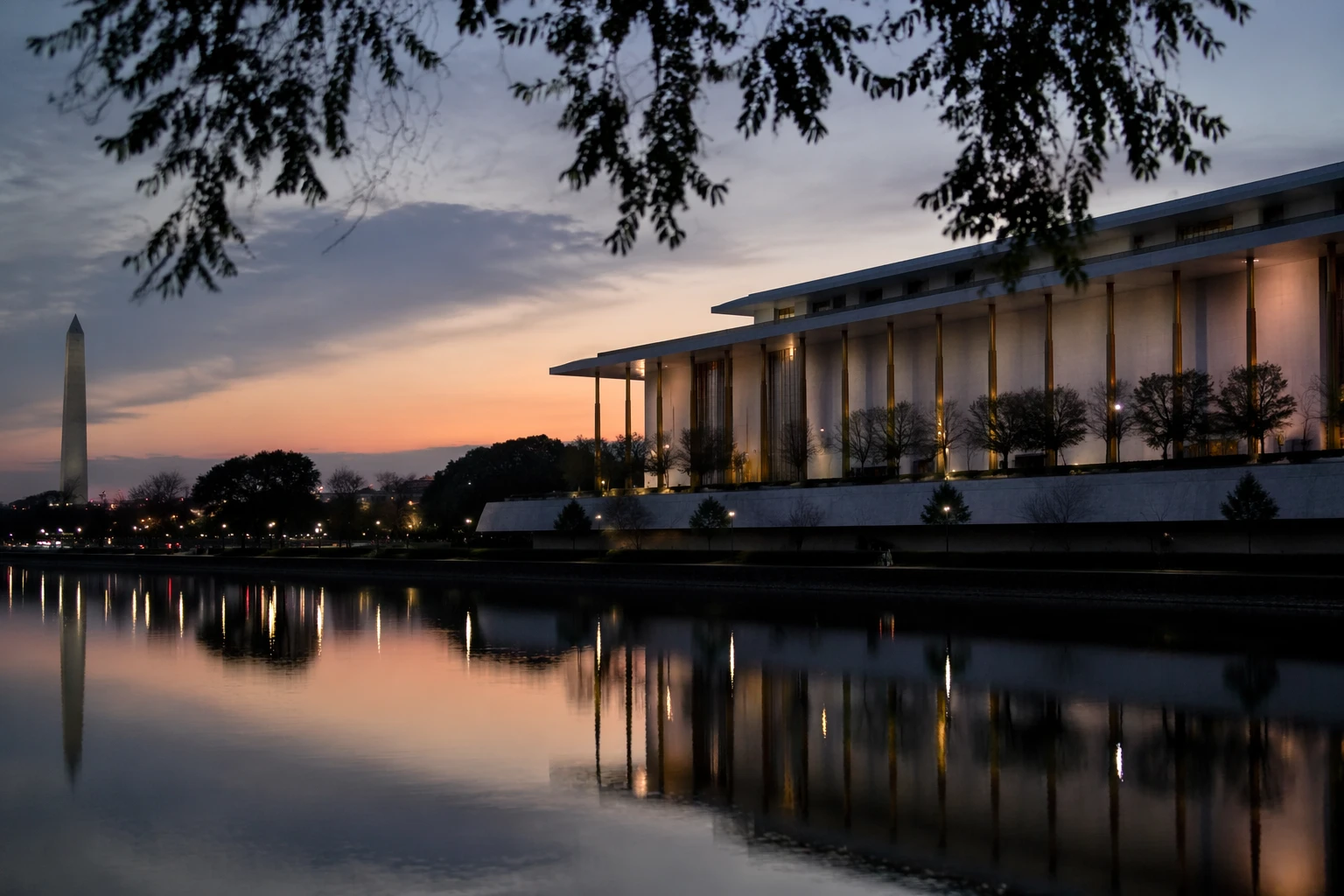
Kennedy Center president and executive director Matt Floca said the name had been taken down from physical signage, the website, and internal documents, including email signatures, letterheads, and brochures. Photos showed a tarp covering the former name on the facade. The episode turned on more than one man’s name: it was a test of whether the White House could use its influence to relabel a federally established institution without an act of Congress.
At nearly the same moment, the U.S. and Iran were signaling progress on ending the fighting. A senior U.S. administration official said both sides had agreed on a text in principle, and draft terms reportedly included reopening the Strait of Hormuz, lifting the U.S. naval blockade on Iranian ports, releasing frozen Iranian assets, waiving sanctions on Iranian oil exports, and beginning a 60-day negotiation period over Iran’s nuclear program. Trump said a memorandum of understanding would be signed on Sunday, June 15, and that the Strait of Hormuz would immediately reopen, but Iran’s foreign ministry said the deal likely would not be signed that day.
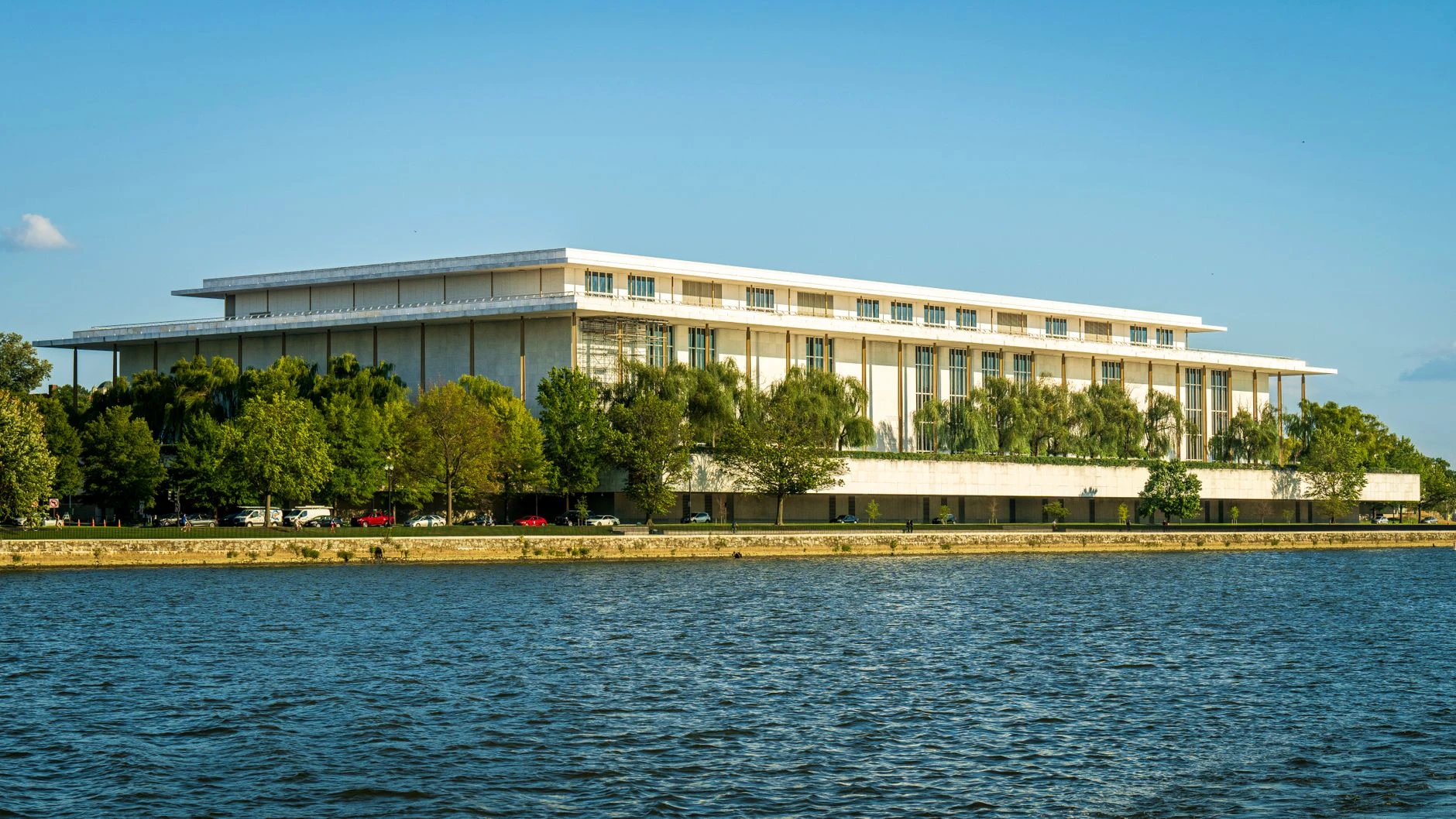
The stakes around Hormuz are enormous. Before the war, the strait handled about one-fifth of the world’s oil and gas supply. Even as negotiators talked, the U.S. shot down several Iranian attack drones over the strait on June 13, and dozens of protesters in Mashhad denounced Foreign Minister Abbas Araqchi over the possible deal. Pakistani Prime Minister Shehbaz Sharif said finalization was likely within 24 hours and that technical talks would begin next week if the agreement was signed, leaving the line between diplomacy and theater as unsettled as the battlefield itself.
Sources
- [1]cbsnews.com
- [2]usnews.com
- [3]aljazeera.com
- [4]nbcnews.com