Politics
Trump names Bill Pulte acting intelligence chief, sparking bipartisan criticism
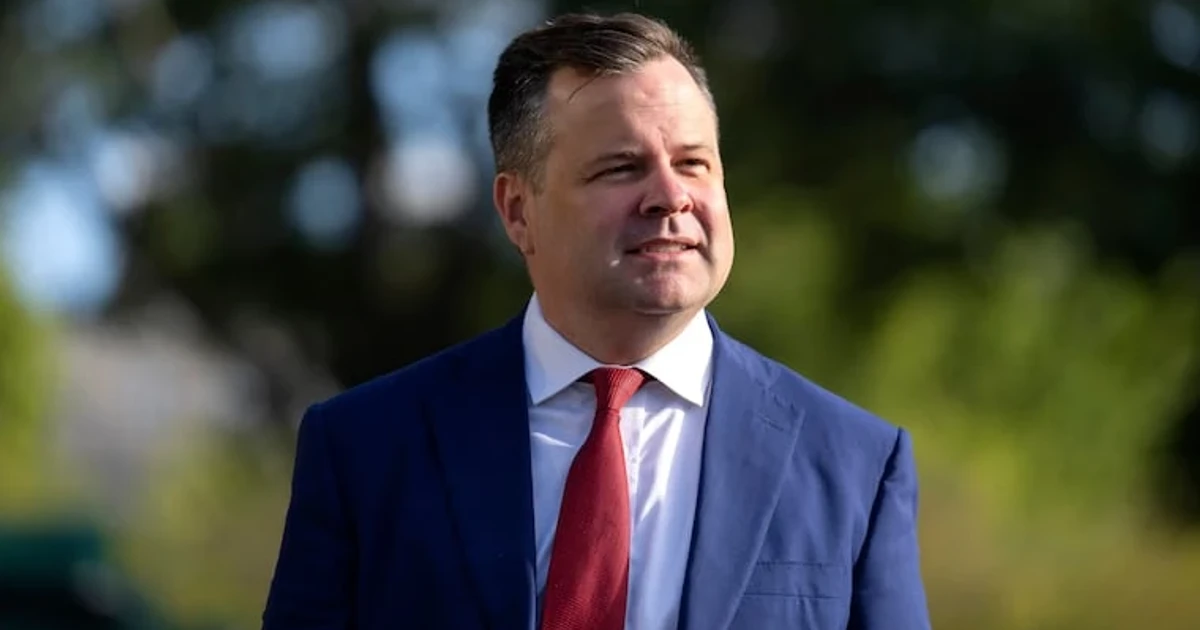
Donald Trump’s decision to put Bill Pulte, a housing finance regulator with no known intelligence or national security experience, in charge of the nation’s spy apparatus sharpened a bipartisan warning in Washington: loyalty may be overtaking qualifications at one of the government’s most sensitive posts.
Trump said Pulte would begin serving as acting director of national intelligence in a week and a half, replacing Tulsi Gabbard, who said she would leave the post at the end of June. Pulte already leads the Federal Housing Finance Agency and remains chairman of Fannie Mae and Freddie Mac, but his new assignment puts him over an office that coordinates 18 intelligence agencies, including the Central Intelligence Agency and the National Security Agency.
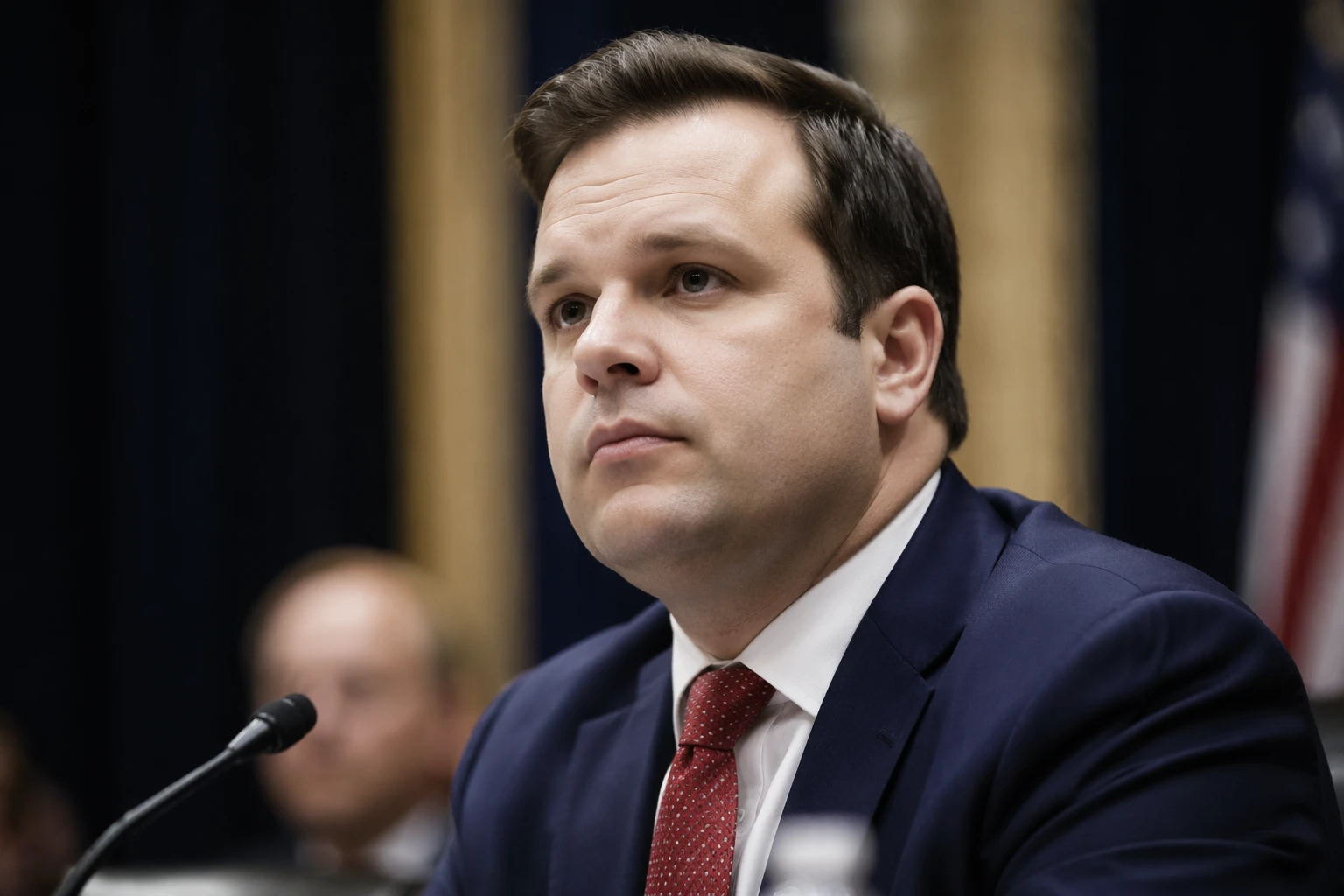
The job was created after the Sept. 11, 2001 attacks and is normally a Senate-confirmed Cabinet-level position. By naming Pulte in an acting role, Trump sidestepped that confirmation process for now. The choice drew sharp criticism from Democrats and from Republican senators John Cornyn, Bill Cassidy and Thom Tillis, all of whom questioned whether Pulte was qualified to take on a post that depends on trust, independence and credibility.
Senate Intelligence Committee Democrats have already signaled they will not support him. Sen. Mark Warner said Pulte was selected because the White House wants “the narrative it wants, not the intelligence we need.” That criticism goes to the heart of the appointment: the director of national intelligence is supposed to present analytic judgment, not political reassurance, and any perception that the office has been handed to a loyalist can erode confidence across the intelligence community and on Capitol Hill.
The timing added to the fallout. Congress faced a Friday deadline in June 2026 to renew FISA Section 702, the surveillance authority that allows warrantless collection of foreigners’ communications abroad. The program has been reauthorized three times since 2008, but lawmakers warned that it could lapse for the first time if Congress missed the deadline. Trump’s move complicated already fragile momentum around the measure, deepening concern that an intelligence post central to national security could become entangled in partisan maneuvering.
Trump has also said he wants Pulte to help shrink the Office of the Director of National Intelligence and begin firing a large number of employees. The office had about 1,800 employees when Trump returned to office in January 2025, and Gabbard later cut nearly 30% of the staff. Pulte’s ascent has also been tied to Trump-era efforts targeting perceived political enemies, including Federal Reserve Governor Lisa Cook, New York Attorney General Letitia James, Sen. Adam Schiff and former Rep. Eric Swalwell, all of whom deny wrongdoing.
Taken together, the appointment has become more than a personnel move. It is a stress test of whether the White House intends to preserve intelligence credibility or reshape it around political loyalty.
Sources
- [1]cbsnews.com
- [2]nbcnews.com
- [3]abcnews.com
- [4]cnbc.com
- [5]politico.com
- [6]reuters.com