Politics
Trump names Jay Clayton for intelligence post after Pulte backlash
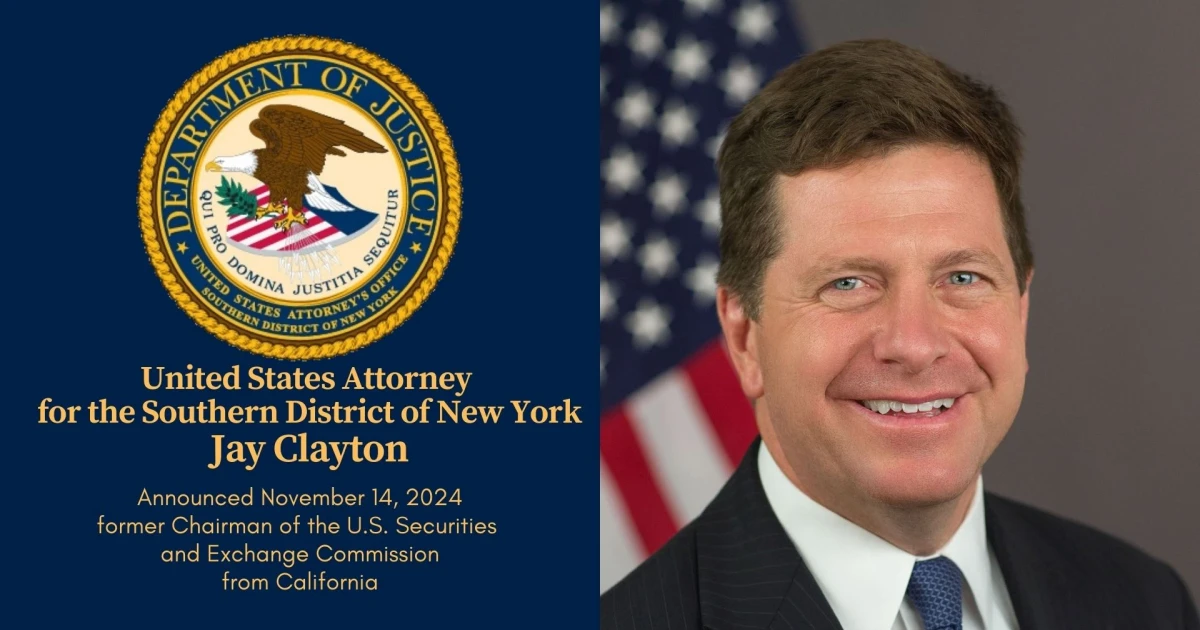
Trump turned a national intelligence nomination into a bargaining chip, then used the backlash to Bill Pulte to press Congress on a separate fight over voter ID and surveillance powers. His decision to name Jay Clayton as director of national intelligence came as lawmakers were scrambling over Section 702 of the Foreign Intelligence Surveillance Act, which was at risk of expiring that week.
Clayton brought Washington credentials, not intelligence credentials. He was serving as U.S. attorney for the Southern District of New York in Manhattan and had previously chaired the Securities and Exchange Commission from 2017 to 2020. Pulte, by contrast, had been Trump’s earlier acting DNI pick even though he had no known intelligence background. He also runs the Federal Housing Finance Agency and chairs both Fannie Mae and Freddie Mac, a portfolio far removed from the Office of the Director of National Intelligence.

The reaction on Capitol Hill was swift and bipartisan. House Democrats and Senate Democrats objected to Pulte’s appointment, and some Republicans joined the criticism. Their concern was not just about personnel; it was about what the appointment signaled for the renewal of a surveillance authority that security officials and lawmakers warned could lapse without action. As the dispute escalated, the Senate deal to extend Section 702 looked increasingly fragile, and lawmakers began weighing only a short-term patch.

Trump’s pivot to Clayton was widely read in Washington as a response to that resistance, but he then slowed the move again and tied the delay to pressure for a voter ID bill. That left the intelligence post as part of a larger legislative standoff, with the White House effectively linking personnel, surveillance policy and elections legislation in the same negotiation. The message to Congress was plain: settle the elections fight, or the intelligence fight does not move cleanly forward.
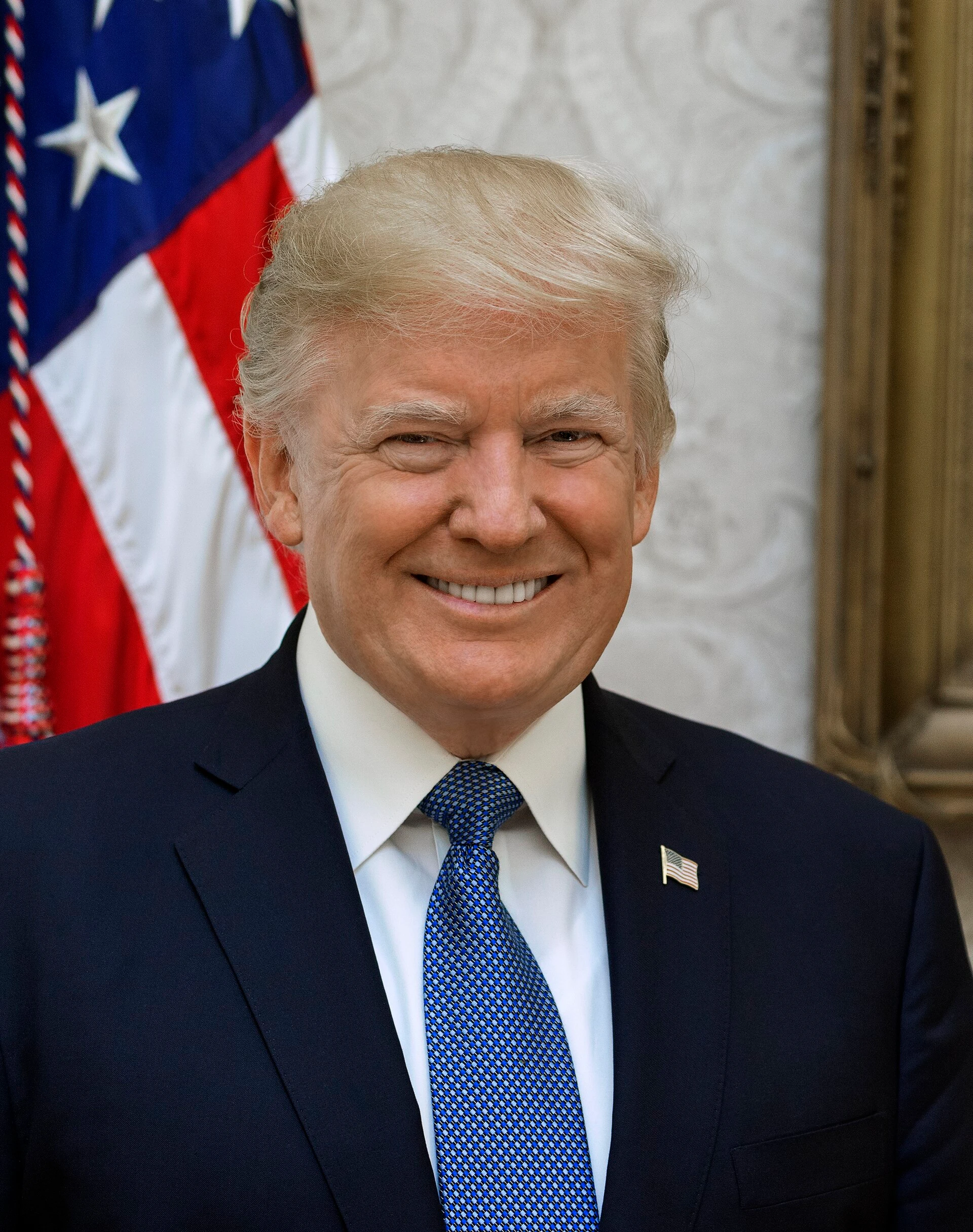
The episode underscored how appointments can be weaponized in modern Washington. A senior intelligence post, a surveillance renewal and an elections bill were folded into one transaction, putting House and Senate Democrats, and the Republicans trying to broker a compromise, under the same squeeze. In the end, Trump’s maneuver showed that a nomination can be used not only to staff an administration, but to force leverage over the terms of lawmaking itself.
Sources
- [1]nytimes.com
- [2]apnews.com
- [3]cnbc.com
- [4]politico.com
- [5]nextgov.com
- [6]justice.gov
- [7]whitehouse.gov