Politics
Trump Nears Iran Deal Amid Republican Concerns
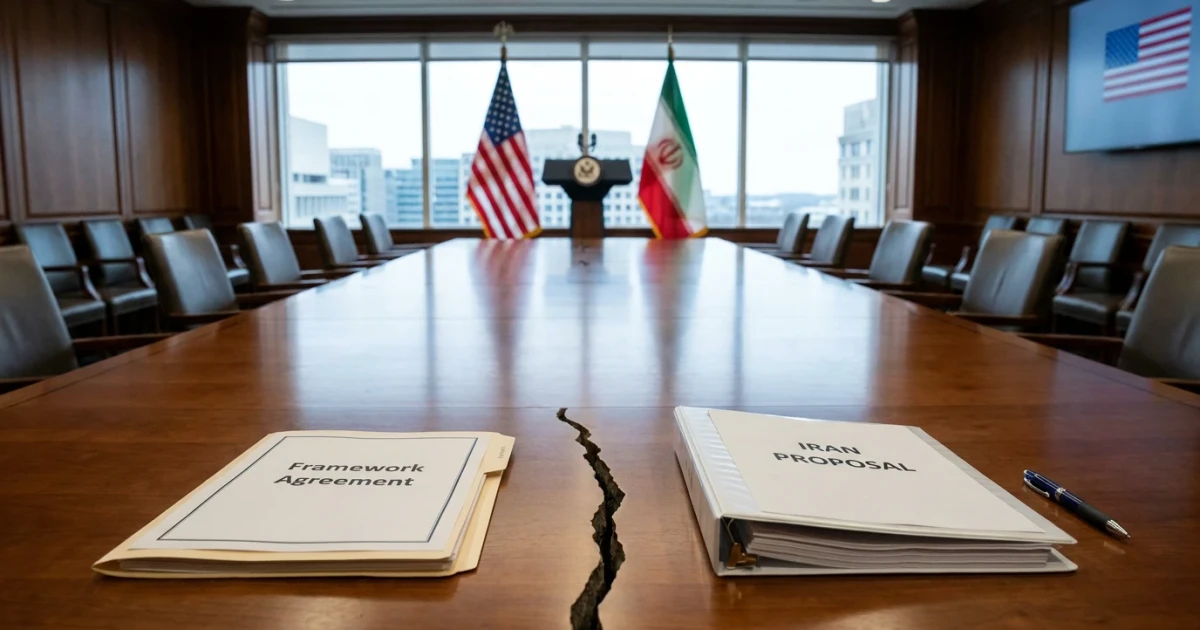
President Donald Trump is reportedly close to finalizing a framework agreement with Iran, a move that is drawing a mixed response from U.S. lawmakers, particularly within his own Republican Party. As details of the potential deal emerge, political analysts and foreign policy experts are watching closely for signs of both domestic and international impact.
Negotiations Approach Critical Stage
The Arab Weekly has reported that the Trump administration is in the advanced stages of negotiating a framework deal with Iran. While specifics remain closely guarded, officials have indicated that the agreement could touch upon issues such as Iran’s nuclear program, regional security guarantees, and possible relief from certain U.S. sanctions. These negotiations come after several years of heightened tensions and a complex history of diplomatic efforts between the two countries. According to the U.S. Department of State, bilateral relations have been shaped by decades of mistrust, interrupted briefly by the 2015 Joint Comprehensive Plan of Action (JCPOA).
Potential Terms and Verification Measures
While official confirmation on the deal’s terms is pending, experts suggest it could include renewed commitments by Iran to limit its enrichment activities and accept international nuclear verification. The International Atomic Energy Agency (IAEA) continues to play a central role in monitoring Iran’s compliance with any such agreements, according to their latest inspection statistics.
- Potential relief from certain U.S. economic sanctions, which are listed in detail by the U.S. Department of the Treasury
- Iranian commitments to restrict uranium enrichment and allow inspections
- Provisions for phased implementation tied to compliance verification
Republican Lawmakers Voice Concerns
As Trump moves closer to a deal, divisions within the Republican Party have become increasingly apparent. Many GOP lawmakers remain skeptical of outreach to Iran, citing enduring concerns over Tehran’s regional ambitions and the effectiveness of previous agreements. The 2015 nuclear deal, for instance, faced mixed approval among Americans and strong opposition from many Republicans, who argued that it provided insufficient safeguards.
Some Republicans have called for Congressional oversight in accordance with the Iran Nuclear Agreement Review Act of 2015 (INARA), which requires any deal to be submitted for legislative review. The risk of political backlash within Trump’s own party is seen as a major hurdle to finalizing any agreement.
Partisan Debate and Policy Implications
Analysts note that Republican opposition is rooted in both ideological and strategic concerns. Critics argue that easing sanctions could embolden Iran and reduce U.S. leverage in the region. Others, however, suggest that a negotiated agreement could help prevent escalation and open new channels for diplomacy. The Council on Foreign Relations explains in its backgrounder that the nuclear issue remains central to global nonproliferation efforts and regional stability.
Despite pushback, administration officials emphasize the importance of verification and phased incentives to address critics’ concerns. Any final deal is expected to include robust monitoring provisions and the possibility of reinstating sanctions if Iran fails to comply.
Looking Ahead
The outcome of the negotiations remains uncertain, with Congressional approval and Iranian acceptance both seen as potential obstacles. The coming weeks will be critical, as the White House seeks to balance diplomatic progress with domestic political realities. Observers expect intense debate in Washington, as Republicans weigh the risks and benefits of a new approach to U.S.-Iran relations.