World
Trump Nears New Iran Nuclear Deal Amid Global Scrutiny
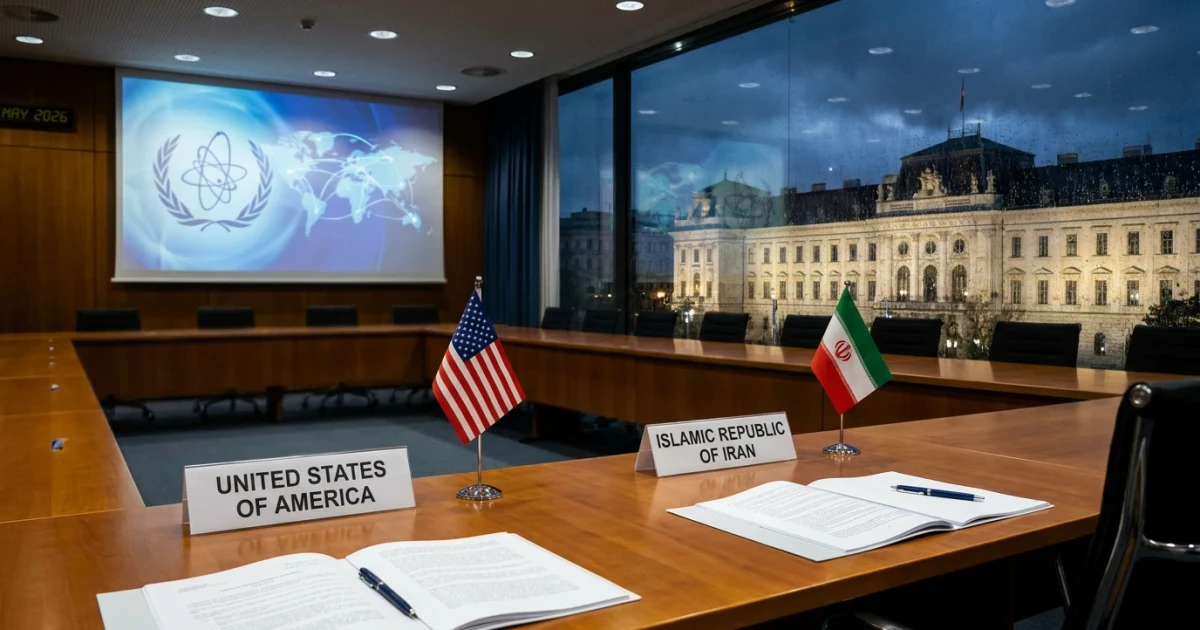
Former President Donald Trump is reportedly on the verge of signing a new nuclear agreement with Iran, according to an Axios exclusive. The development marks a significant step in the fraught relationship between Washington and Tehran, with the deal’s provisions and political implications drawing close scrutiny from both domestic and international observers.
What’s Reportedly Inside the New Iran Deal
Axios reports that the draft agreement aims to place clear limits on Iran’s uranium enrichment, setting maximum enrichment levels and the number of centrifuges allowed at its facilities. These technical restrictions are designed to prevent Iran from advancing its nuclear program toward weapons-grade capability. The deal also reportedly restores intrusive inspections by the International Atomic Energy Agency (IAEA), requiring Iran to grant inspectors access to declared and some undeclared sites—a measure intended to boost transparency and verification.
- Uranium enrichment would be capped below weapons-grade levels
- Centrifuge numbers would be limited, slowing any potential breakout timeline
- IAEA inspections would be reinstated, including snap visits to suspect sites
- Sanctions relief is reportedly on the table, contingent on verifiable Iranian compliance
While these provisions echo key elements of the 2015 Joint Comprehensive Plan of Action (JCPOA), Axios notes that the new draft includes updated timelines and more rapid reimposition, or “snapback,” of sanctions if Iran is found in violation—a response to past criticisms of the JCPOA’s enforcement mechanisms. For further details on JCPOA terms and enforcement, see the Arms Control Association’s explainer.
Diplomatic Context and International Reactions
The potential agreement comes after years of heightened tensions following the U.S. withdrawal from the original JCPOA in 2018 under Trump, which led to the reimposition of American sanctions and a subsequent expansion of Iran’s nuclear activities. According to Axios and other outlets, the new deal’s framework is designed to address gaps that emerged since the U.S. exit, and to bring both sides back into compliance with nuclear nonproliferation norms as outlined in UN Security Council Resolution 2231.
International response is mixed. European diplomats, according to Axios, have welcomed the reported inspection measures but remain cautious about the durability of any new agreement, citing political polarization in both the U.S. and Iran. Middle Eastern allies, particularly Israel and Saudi Arabia, have previously expressed concerns that sanctions relief could embolden Iran’s regional activities, a stance likely to shape future congressional debates in Washington.
Potential Impact and Remaining Questions
Analysts say the new deal—if finalized—could have significant ripple effects for global nonproliferation efforts. The U.S. State Department’s 2023 compliance report previously noted that Iran’s uranium stockpile and enrichment levels have risen since the collapse of the original JCPOA, underlining the urgency for new safeguards.
- IAEA data shows that Iran has consistently exceeded previous enrichment limits, with uranium enriched up to 60%, far above the 3.67% cap under the JCPOA
- Economic sanctions have had a significant impact on Iran’s economy, yet have not halted nuclear advances
Key questions remain regarding the timeline for sanctions relief, enforcement mechanisms in case of violations, and the broader diplomatic strategy for containing potential regional security risks. The Congressional Research Service provides a detailed analysis of these challenges.
What Comes Next?
As negotiations reportedly reach their final stage, both supporters and critics are watching for details on implementation and verification. The effectiveness of the deal will ultimately depend on the willingness of both sides to adhere to commitments and the robustness of international monitoring. The outcome could set the tone for U.S.-Iran relations and wider nonproliferation efforts for years to come.