World
Trump-Netanyahu rift deepens over Lebanon ceasefire and Iran talks
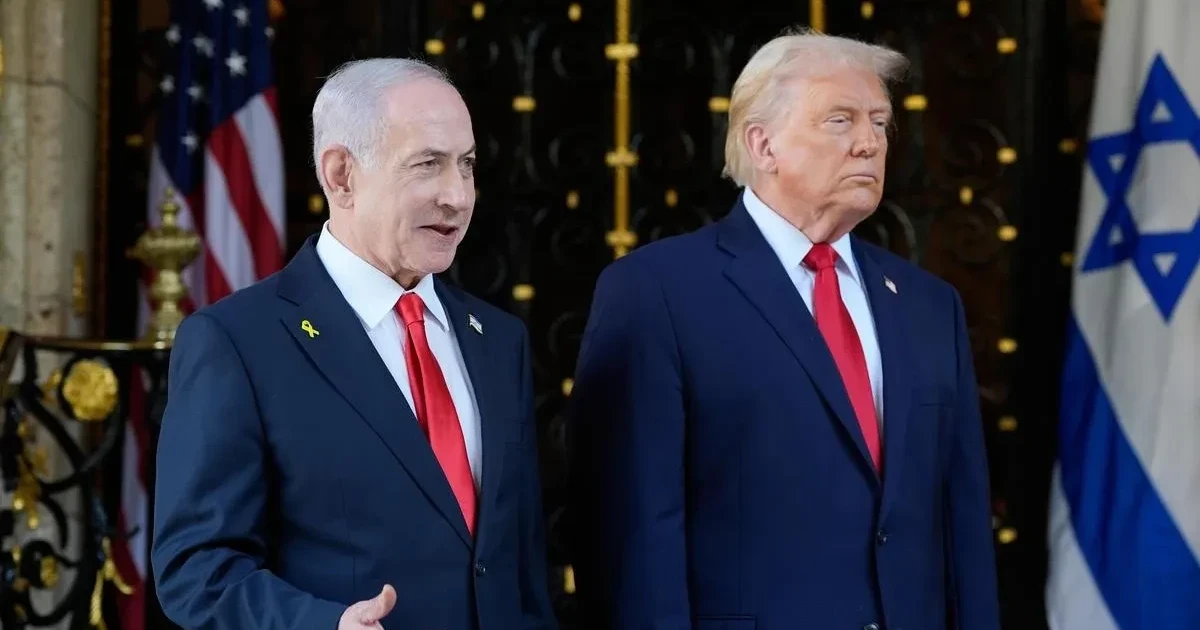
The break between Donald Trump and Benjamin Netanyahu is no longer just personal friction. It is now testing whether Washington can still steer Lebanon ceasefire talks and keep pressure on Iran without Israel and the United States working at cross-purposes.
The strain sharpened after a roughly 15-minute phone call in which Trump reportedly cursed at Netanyahu over Israel’s escalation in Lebanon and its potential to imperil U.S.-Iran negotiations. Trump later acknowledged the split publicly, saying he and Netanyahu had had a “clash,” even as he insisted the two still had a strong working relationship.
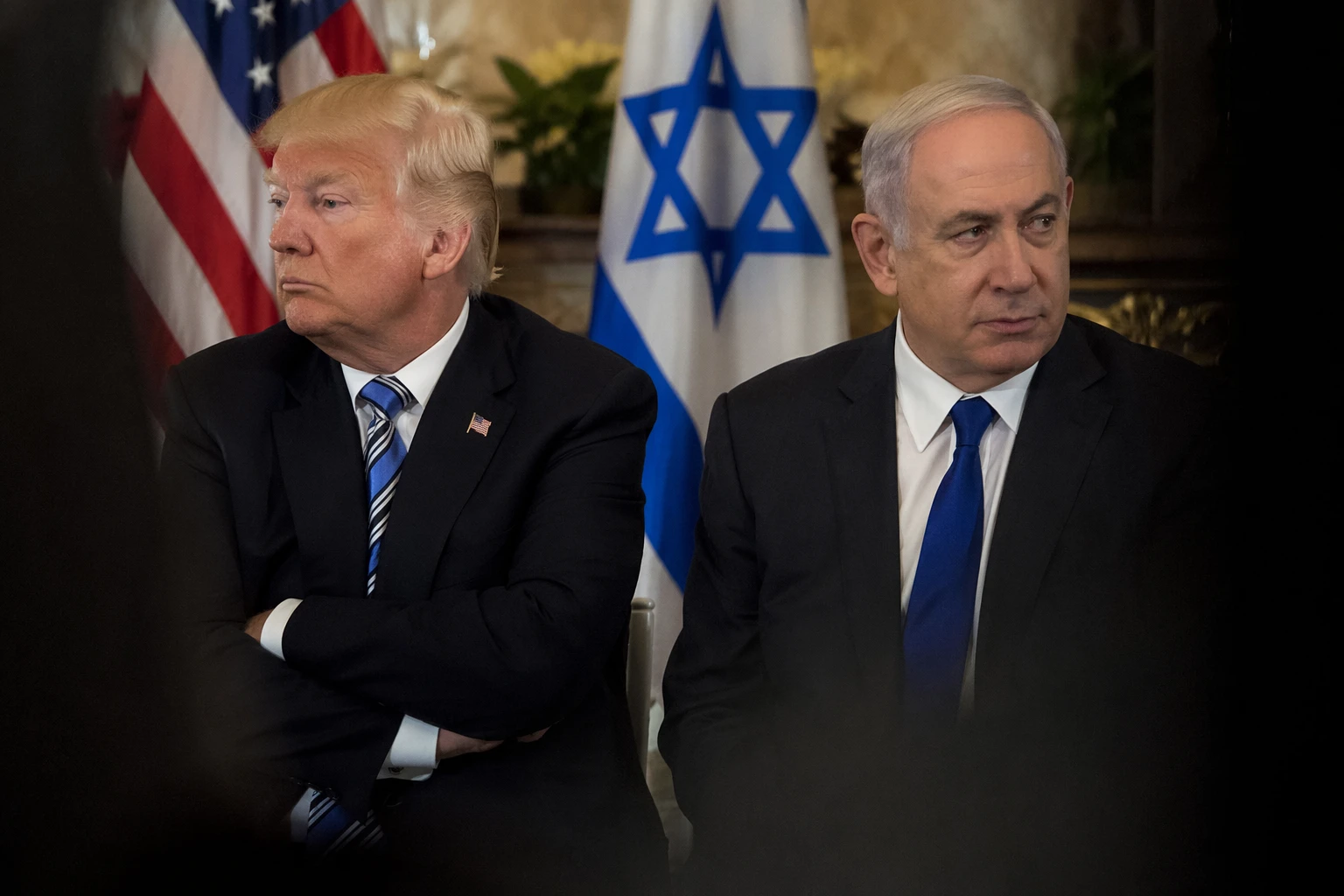
That rupture comes at a delicate moment in the Lebanon track. The United States convened the fourth high-level trilateral meeting between Israeli and Lebanese representatives on June 2 and 3, after an initial ten-day cessation of hostilities began on April 16 at 17:00 EST to open space for peace negotiations. The State Department said the arrangement depended on a complete cessation of Hizbollah fire and the withdrawal of Hizbollah operatives from the South Litani Sector, while also stressing that any ceasefire must be reached directly between Israel and Lebanon and brokered by Washington, not through a separate channel.
Washington has also tied the Lebanon file to a broader contest with Tehran. In May, the State Department described Hizbollah as an Iranian proxy and said peace would be difficult as long as an armed Lebanon existed. Around the same time, U.S. officials said they were targeting an Iranian LPG-smuggling network moving hundreds of millions of dollars’ worth of fuel, part of a wider sanctions campaign. Earlier, the State Department framed the U.S. as engaged in an ongoing armed conflict with Iran, citing decades of Iranian attacks on the United States, Israel and others.

The pressure on Iran is widening beyond the Middle East. On June 10, the United States joined Britain, Canada, France, Germany, Australia and other partners in condemning Iranian state threat activity in Europe, North America and Australia, including plots against journalists and Jewish and Israeli communities. The message was unmistakable: Washington is trying to keep allies aligned on Tehran even as its closest regional partner pushes in a different direction.
Netanyahu is also facing domestic headwinds that make the dispute politically costly at home. His Likud Party said on June 10 that he would seek re-election, and Israel must hold its next election by October 2026. Yet a June poll found 61% of Israelis overall, and 57% of Jewish Israelis, either thought Netanyahu should not run again or were certain he should not. The same poll found 61% supported term limits for future prime ministers.
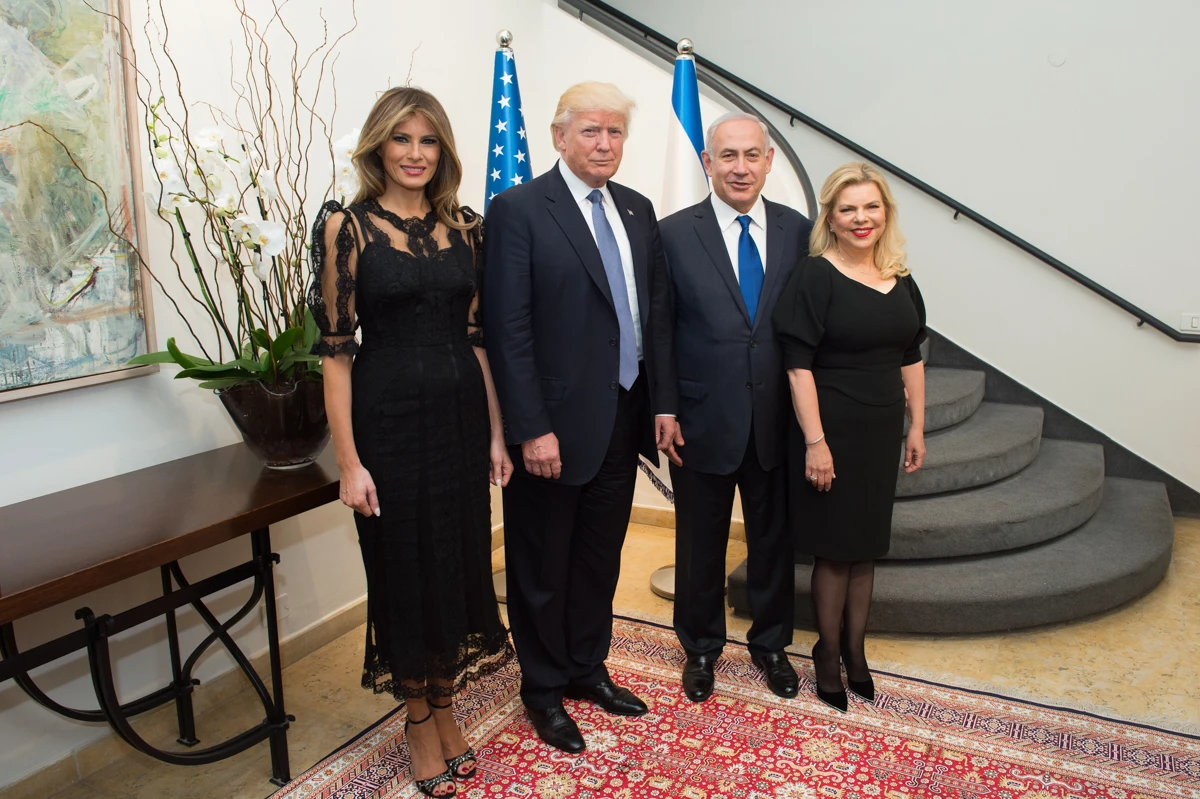
That leaves Trump and Netanyahu in a race against their own contradictions. Washington is trying to preserve leverage over Lebanon and Iran through diplomacy, sanctions and coordination with allies, while Netanyahu is under pressure to show strength at home. If the two keep pulling in opposite directions, each risks undercutting the other’s endgame.
Sources
- [1]nytimes.com
- [2]state.gov
- [3]abcnews.com
- [4]timesofisrael.com