Politics
Trump nominates Keith Sonderling to lead Labor Department permanently
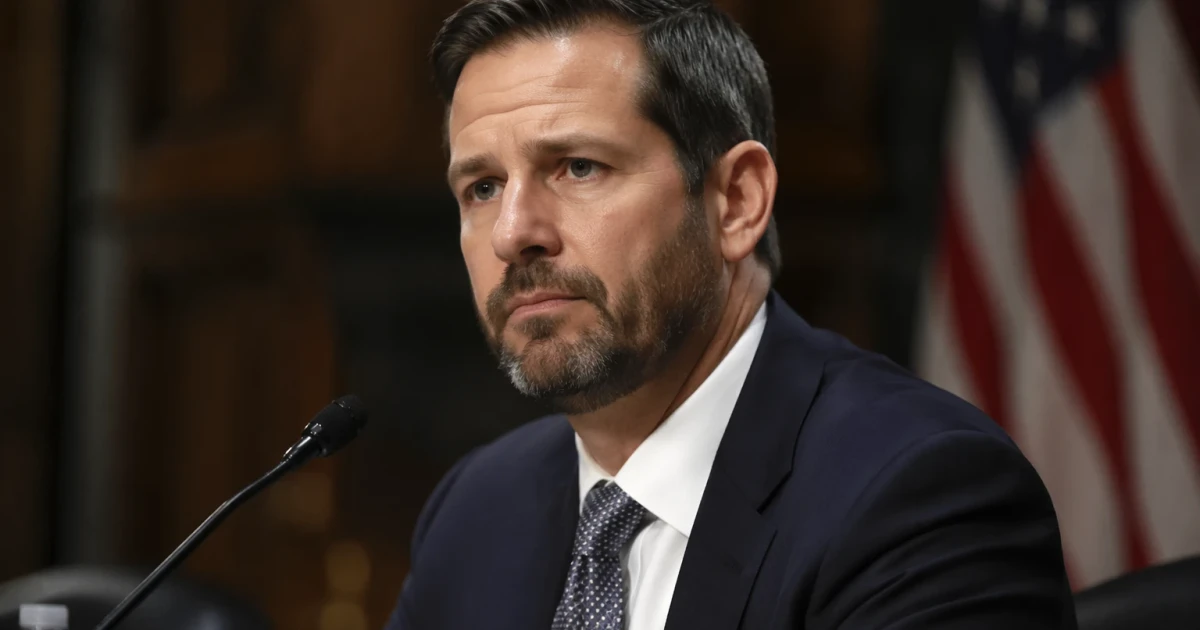
Donald Trump said he would nominate Keith Sonderling to lead the Labor Department permanently, moving to lock in an acting secretary who has already spent more than two months running the agency after Lori Chavez-DeRemer left in April. The nomination still needs Senate confirmation, and Trump praised Sonderling as someone who has delivered strong results for the "Hardworking People" of the country.
The promotion carries policy weight far beyond a personnel shuffle. The Labor Department enforces federal laws on wages, safety, health and benefits, and it oversees unemployment insurance for workers and employers nationwide. The department says Sonderling, as deputy secretary, served as the agency’s chief operating officer overseeing its budget and workforce, a job tied to a department of about 17,000 employees and a roughly $14 billion budget. He was confirmed as deputy secretary on March 12, 2025, after previously serving as commissioner of the Equal Employment Opportunity Commission from September 2020 to August 2024 and as acting and deputy administrator of the Wage and Hour Division from 2017 to 2020.
Sonderling’s acting tenure has already pointed to the direction Trump wants from the department. On June 17, he sent formal letters to the governors of 53 states and territories demanding action on unemployment insurance fraud, warning that the department could withhold administrative funds for the first time in history if states failed to comply. A week earlier, at the G7 Labor and Employment Ministers’ Meeting in Geneva, Switzerland, he framed the administration’s labor agenda around workforce development, domestic manufacturing and fair competition, saying the United States would help American workers and businesses "compete and win."
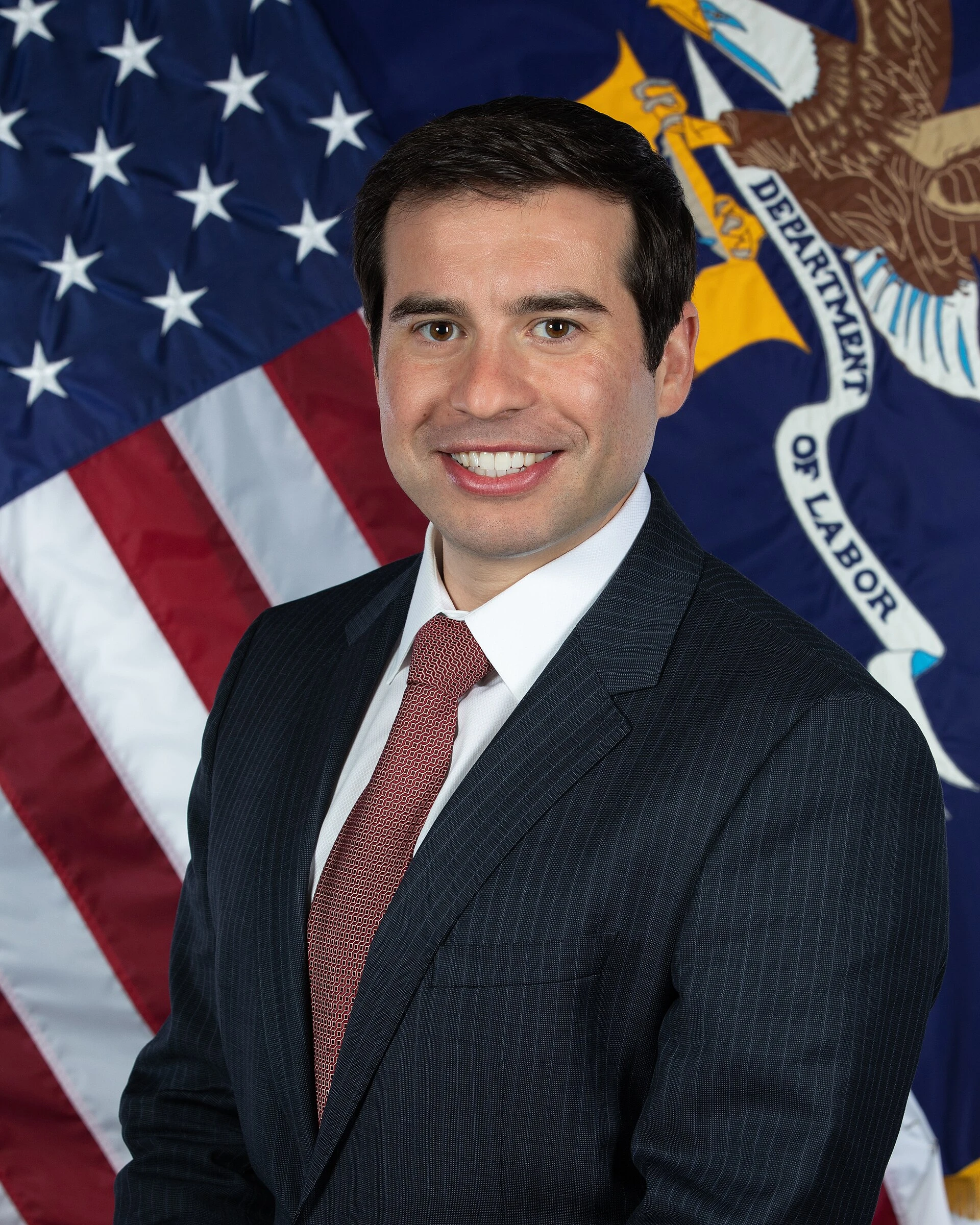
That record suggests a Labor Department likely to emphasize enforcement, fraud detection and employer compliance under a secretary with deep experience on the employer side of workplace law. Sonderling previously counseled employers and litigated labor and employment disputes in private practice, and business leaders have backed his candidacy while he has been steering policy and personnel decisions during months of turmoil at the department. For workers and businesses, the biggest questions now are how aggressively the department will police wages and classification disputes, how it will handle union conflicts, and whether its regulatory posture will favor tighter oversight or a more business-friendly reading of labor rules.
Sources
- [1]cbsnews.com
- [2]dol.gov
- [3]congress.gov
- [4]cnbc.com
- [5]washingtonpost.com
- [6]reuters.com