Business
Trump opens trade probe into Germany’s drug spending plan
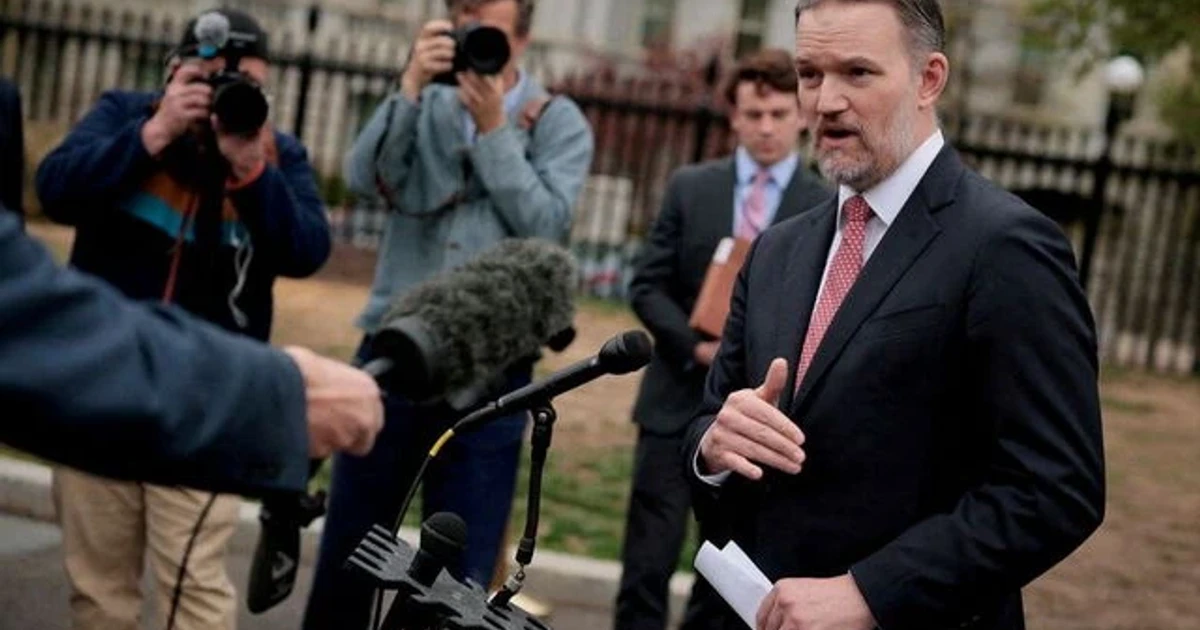
The Trump administration has turned Germany’s pharmaceutical cost controls into a trade fight, opening a Section 301 investigation that could lead to tariff action against German imports. The case is now a test of whether Washington will use trade law to challenge foreign health-policy choices that it says depress returns on U.S.-backed drug innovation.
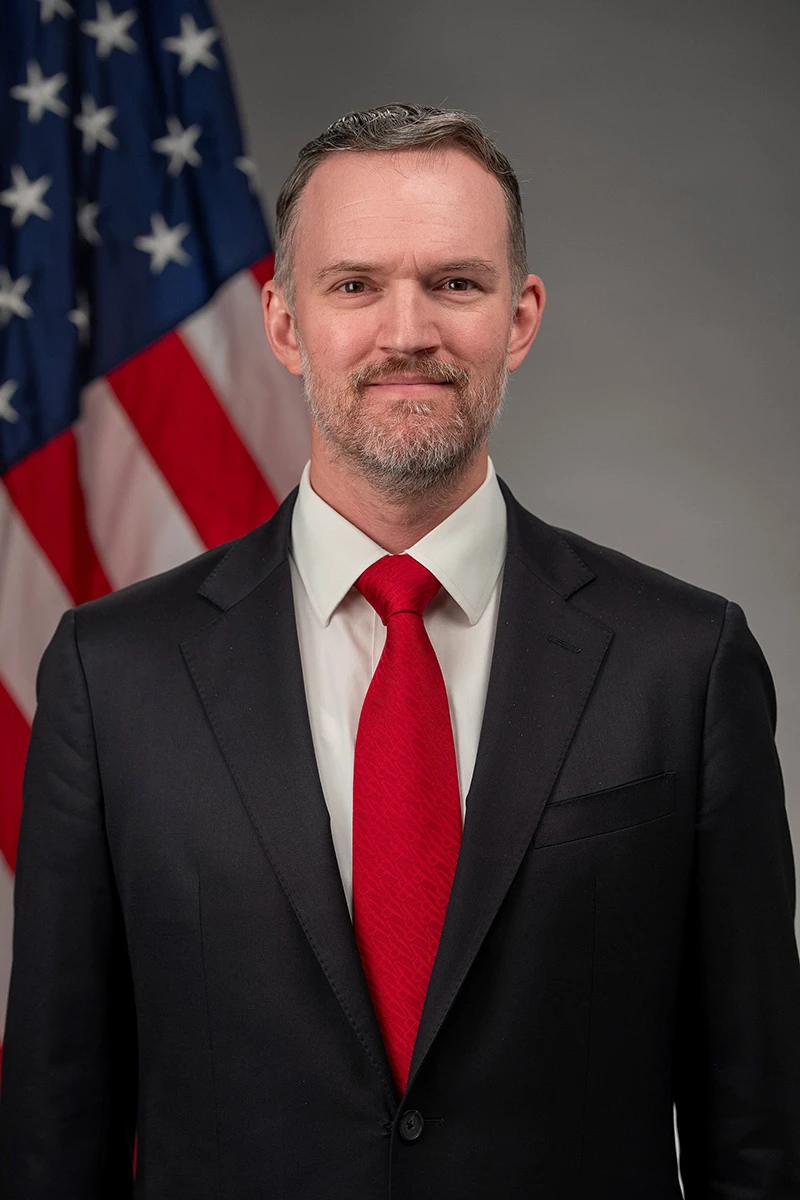
U.S. Trade Representative Jamieson Greer said the office wants to determine whether Germany’s plan is “unreasonable or discriminatory,” with the probe focused on what the notice calls Germany’s “persistent underpayment for innovative pharmaceutical products.” The investigation was formally opened on June 18, 2026, and comes after months of talks with German officials. Written comments are due by August 10 at 11:59 p.m. EDT, and the Section 301 Committee hearing is set for September 22 in Washington, D.C.
The move lands squarely on top of Berlin’s effort to rein in health costs. Germany’s cabinet approved a statutory health insurance contribution stabilization draft on April 29, a package aimed at closing a looming 20 billion euro gap in the system and preventing an expected 38.1 billion euro funding shortfall in 2030. The original reform would have introduced variable drug discounts, but that plan was revised after pushback from the pharmaceutical industry, even as Washington moved ahead.
The dispute has already spilled into investment decisions. Eli Lilly said on June 3 that it would cut at least 50% from its planned $2.5 billion manufacturing site in Alzey, in Rhineland-Palatinate, saying the policy direction in Germany undermined predictable investment conditions. Lilly said the plant would still begin at reduced capacity in 2027. AstraZeneca chief executive Pascal Soriot warned in April that Germany risks missing out on new drugs if it keeps tightening pharmaceutical spending, underscoring how pricing rules are now shaping corporate capital plans, not just reimbursement rates.
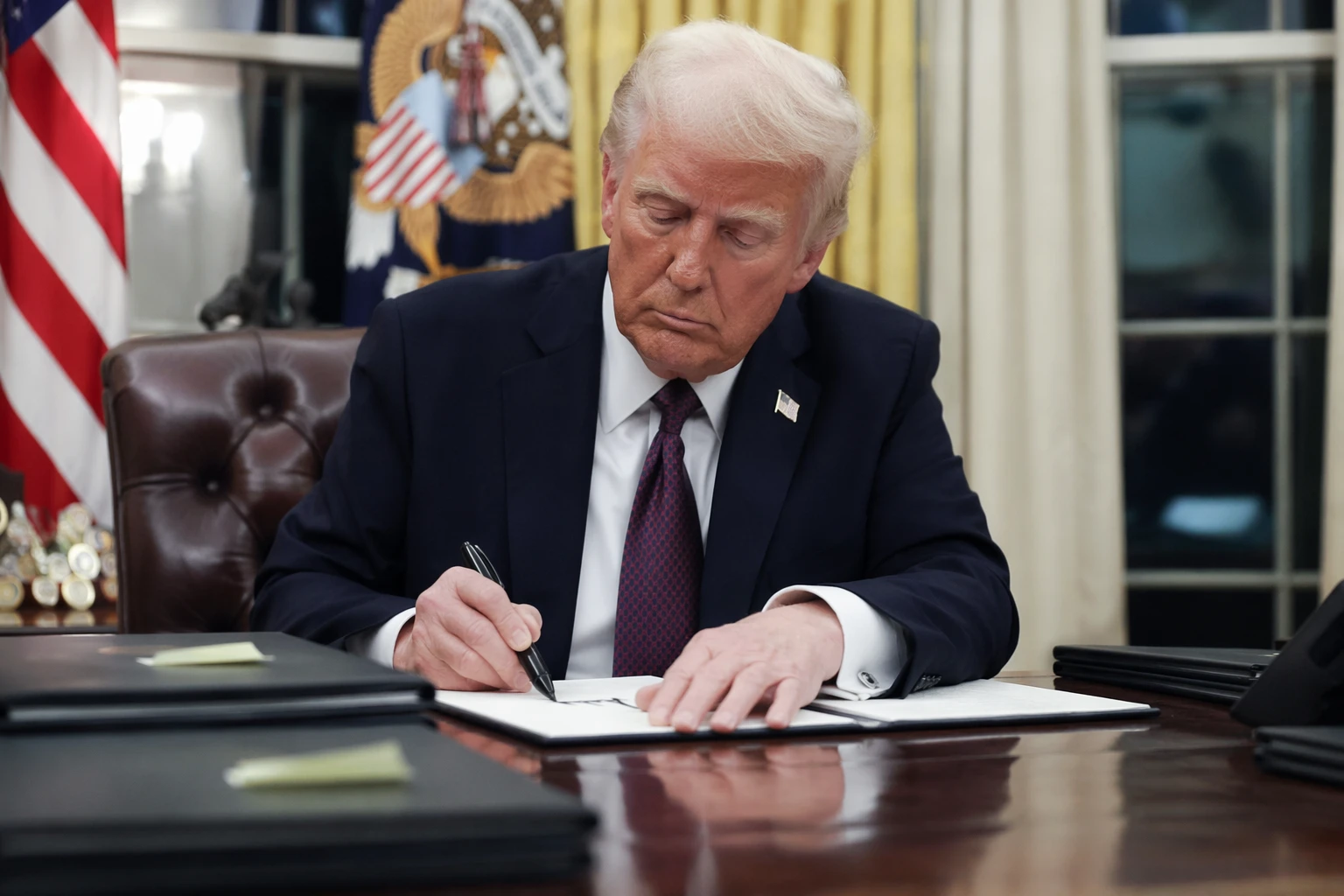
The probe also gives the administration a wider platform for its drug-price agenda. It follows President Donald Trump’s May 12, 2025 executive order on most-favored-nation prescription drug pricing and a May 30, 2025 request for comments on foreign nations “freeloading on American-financed innovation.” Pharmaceutical Research and Manufacturers of America backed the move, with Stephen J. Ubl saying the administration should keep using Section 301 and arguing that Germany, Japan, France and Canada should pay more for innovation. If the U.S. follows through, the case could become a template for pressuring allies that keep drug spending down by squeezing prices.
Sources
- [1]usnews.com
- [2]ustr.gov
- [3]phrma.org
- [4]taylorwessing.com
- [5]pharmamanufacturing.com