World
Trump orders major combat operations against Iran, Middle East war spreads
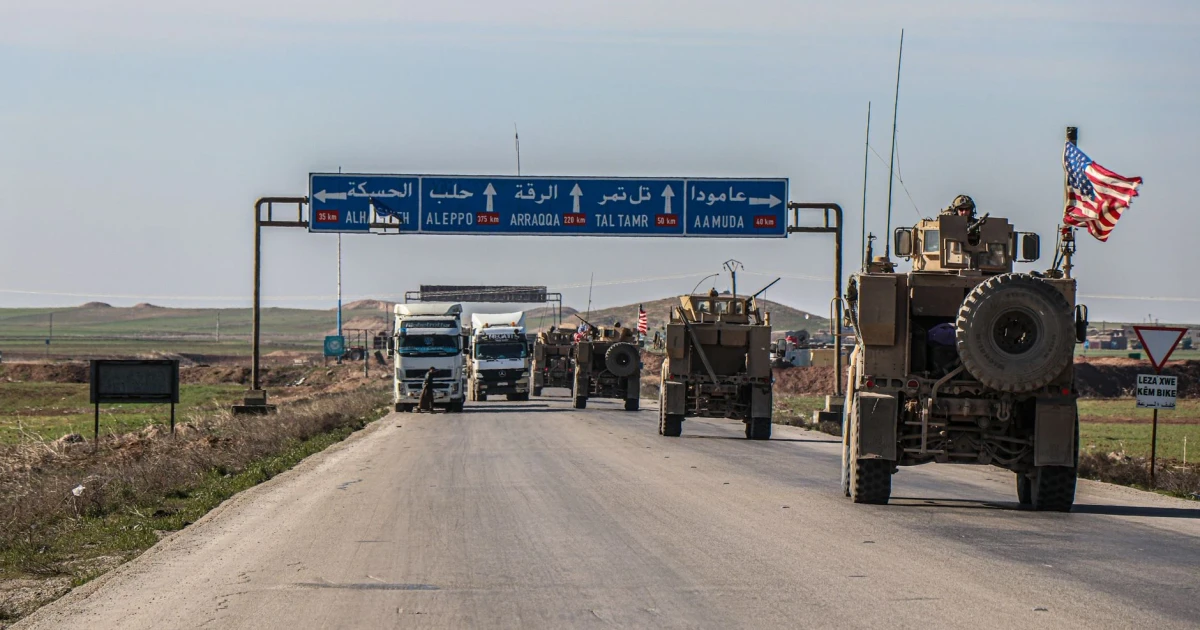
Trump’s order to launch major combat operations against Iran turned a regional confrontation into a wider war, and the latest diplomacy in Lebanon is colliding with the military facts on the ground. The central problem is not the language of ceasefire talks in Washington, but who is bound by them, who is not, and whether Israel’s continued presence in Lebanon can be squared with any de-escalation deal.
The war began in the early hours of February 28, 2026, after Trump said the U.S. military had begun “major combat operations” in Iran. CNN reported that the opening joint U.S.-Israeli strikes killed Iran’s supreme leader, Ayatollah Ali Khamenei, along with other senior Iranian officials, including the defense minister and the commander of the Islamic Revolutionary Guard Corps. By that point, CNN said, at least 1,230 people had been killed in Iran, and six U.S. service members died in an Iranian strike in Kuwait.
The fighting quickly spread beyond Iran’s borders. CNN reported strikes and retaliatory attacks across more than a dozen countries in the Middle East, showing how quickly a campaign framed as a limited military operation became a regional war with no clear perimeter. Trump said he expected more U.S. casualties and described the conflict as lasting four or five weeks, with no time limits on military action.
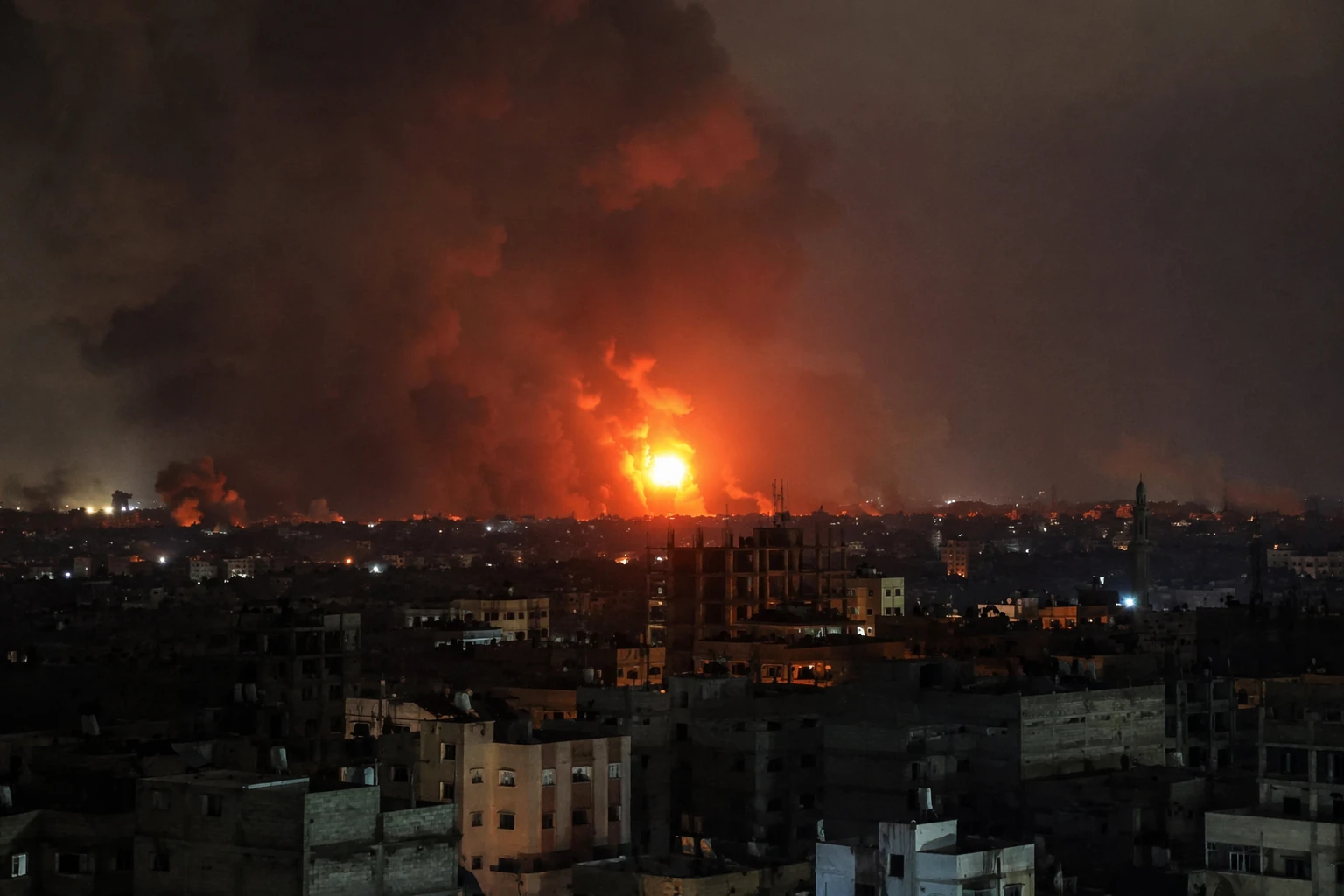
Lebanon has become the clearest test of whether diplomatic agreements can restrain the war. Reuters reported on June 3 that Lebanon and Israel agreed to implement a ceasefire after Washington talks, but Hezbollah rejected the plan and Israel kept up strikes in southern Lebanon. Iran has tied the interim U.S.-Iran agreement to a halt in Israeli attacks on Hezbollah in Lebanon, placing the fate of one track of talks inside a separate battlefield.
That gap widened on June 15, when Israel’s defense minister, Israel Katz, said Israel would not withdraw from territory seized in Lebanon while the interim U.S.-Iran deal was pending. Reuters and AP reporting said Israel plans to remain in the south indefinitely. The message was clear: even as diplomats talk about de-escalation, Israeli forces are still on the ground, Hezbollah is still outside the arrangement, and the ceasefire appears unable to control the actors most likely to reignite the war.
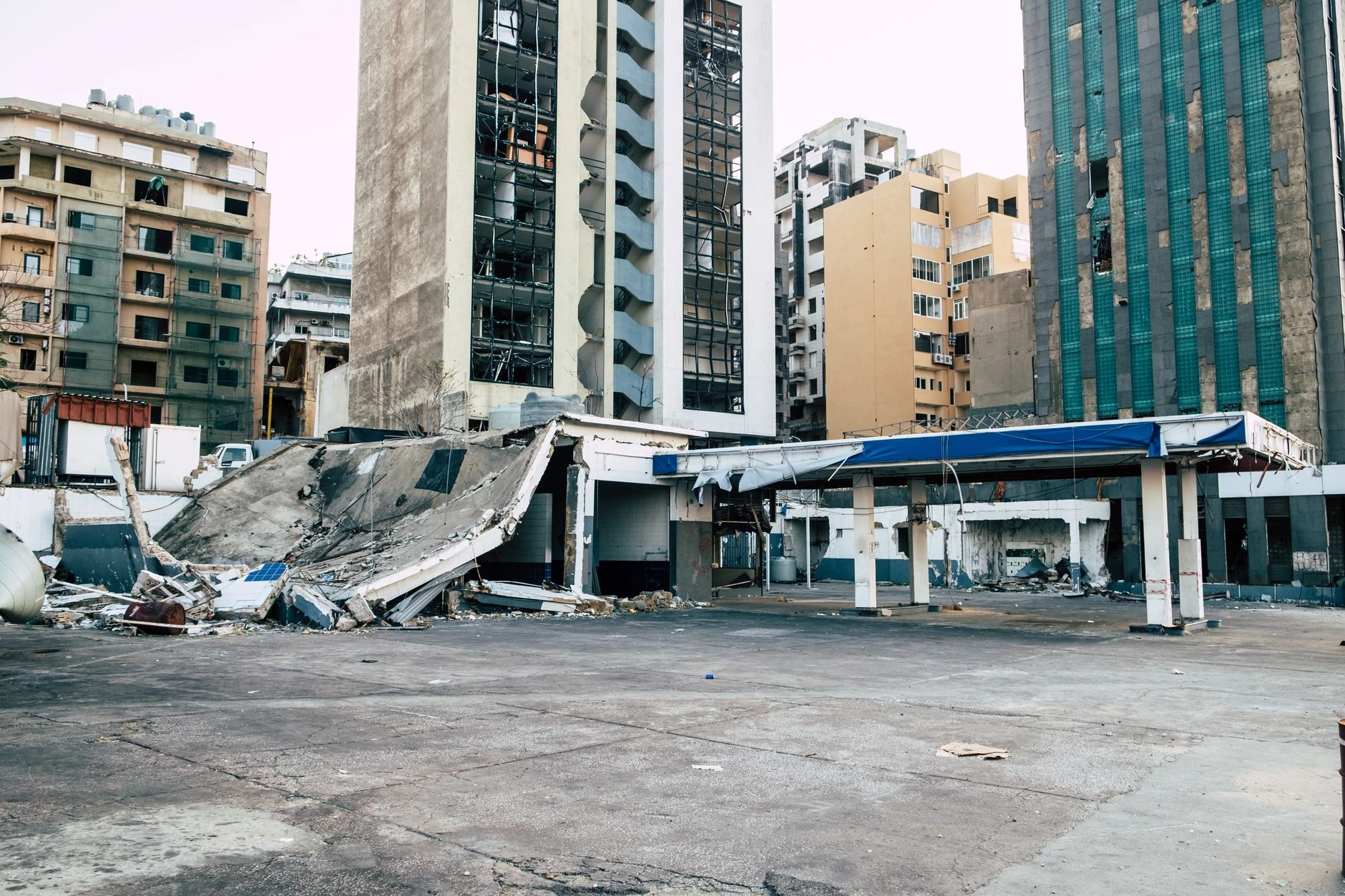
The Lebanese front did not emerge in isolation. AP reported that Hezbollah had been firing rockets into Israel almost daily for nearly a year before the war, and that Israel’s September 2024 pager-and-walkie-talkie attack wounded more than 3,000 people and killed 12, including two children. That long buildup means today’s ceasefire language is trying to contain a conflict that was already embedded in daily violence, cross-border retaliation, and unresolved military occupation.
Sources
- [1]abcnews.com
- [2]edition.cnn.com
- [3]usnews.com
- [4]yahoo.com
- [5]english.alarabiya.net
- [6]local10.com
- [7]apnews.com