World
Trump orders new strikes on Iran as ceasefire talks falter
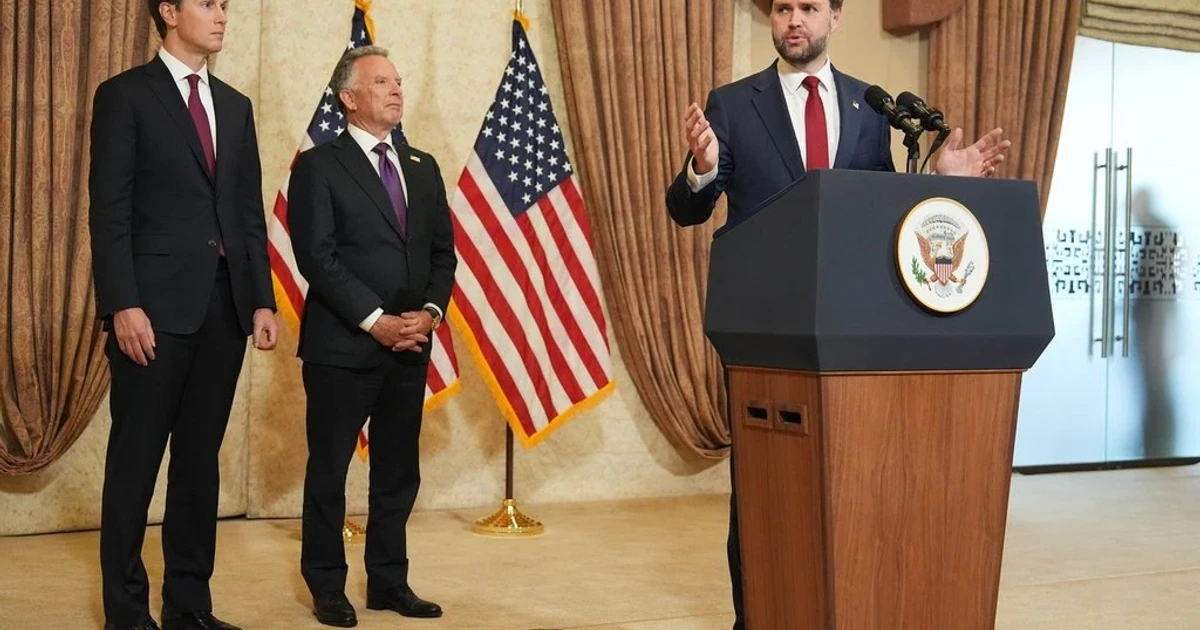
The ceasefire was supposed to steady the crisis. Instead, U.S. forces struck Iran again on Wednesday as President Donald Trump warned that Tehran would “pay the price” for refusing a deal, deepening fears that diplomacy and military pressure were now moving in lockstep rather than in sequence.
Trump said on June 10 that Iran had taken too long to negotiate, and he told Fox News he was weighing new strikes on Iranian power plants and bridges if Tehran would not accept an agreement. The rhetoric sharpened the sense that deterrence had collapsed: rather than forcing the sides back from the brink, the threats and attacks were reinforcing the idea that the battlefield was still the main negotiating table.
Defense Secretary Pete Hegseth, speaking from U.S. Central Command headquarters in Florida after being briefed by commanders, said American forces would carry out Trump’s orders and hit Iran hard on Wednesday by bombing “key facilities.” He added: “If we need to negotiate with bombs, we’ll negotiate with bombs, and we’re very good at it.” The statement underscored the contradiction at the center of the administration’s approach, presenting force as both punishment and leverage while talks remained on life support.
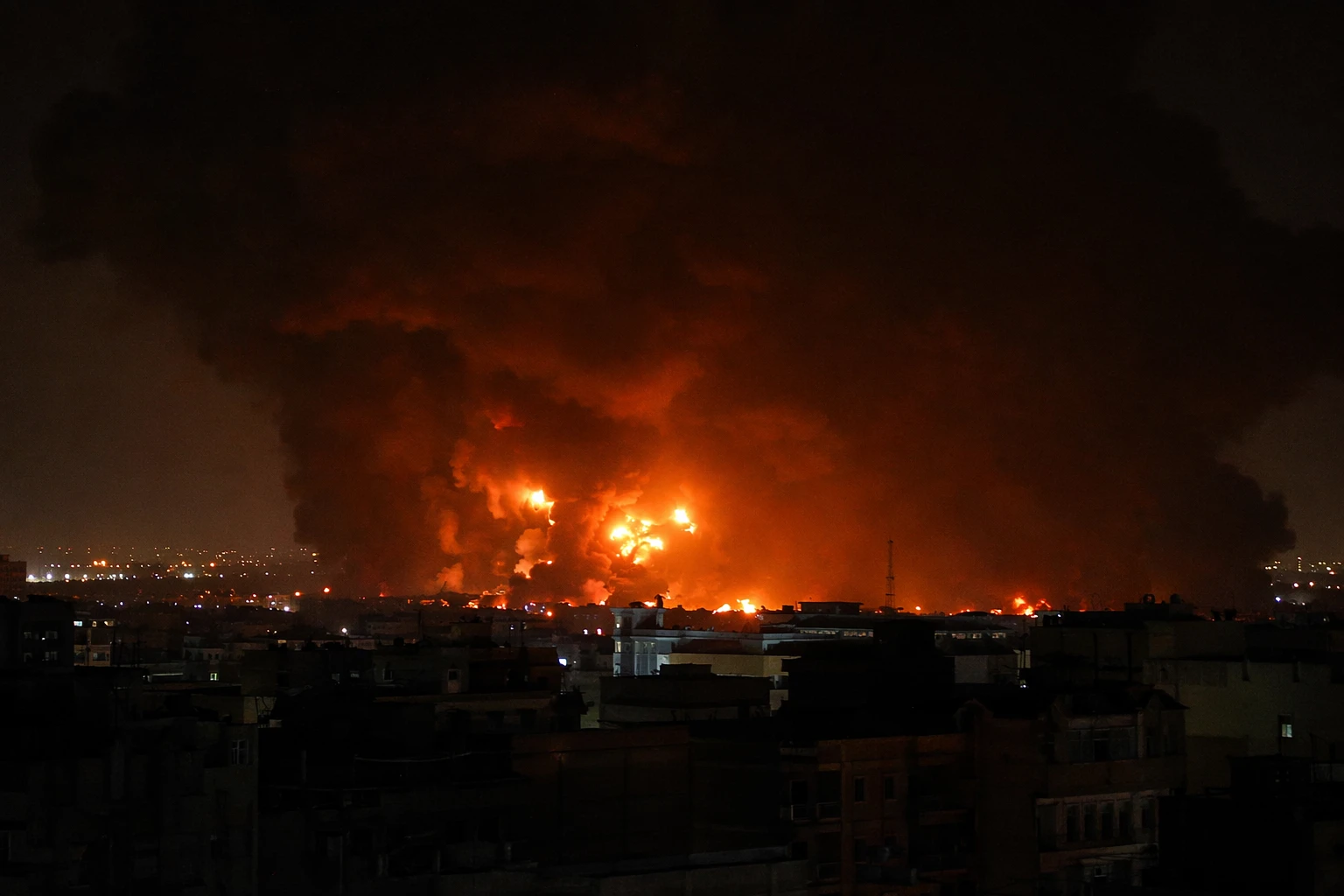
Those talks were still active, at least in form. Qatari negotiators traveled to Tehran on Wednesday morning to try to finalize an agreement after consultations with the United States, according to Reuters. The framework under discussion was meant to halt the war, ease tensions in the Strait of Hormuz and keep negotiations going over Tehran’s nuclear material. CNBC reported that Trump had said earlier in the week a deal could be done in “two to three days,” before later dismissing Iran as “all talk and no action.”
The fighting has already spread across the region. Iranian retaliation has hit U.S. military bases in Jordan, Kuwait and Bahrain, while the Islamic Revolutionary Guard Corps said it targeted U.S. facilities at Ali Al Salem and Ahmed Al Jaber air bases in Kuwait and Sheikh Isa Air Base in Bahrain after the latest American strikes. U.S. officials have framed the bombing campaign as a response to Iran’s “unwarranted and continued aggression,” but the exchange has also rattled energy markets. July U.S. crude futures rose nearly 2% to $89.72 a barrel and August Brent climbed 1.3% to $92.74, a sign that traders see the Strait of Hormuz threat as more than a diplomatic talking point.
Sources
- [1]cbsnews.com
- [2]usnews.com
- [3]cnbc.com
- [4]dw.com