Technology
Trump orders push for quantum computer by 2028, shields federal systems
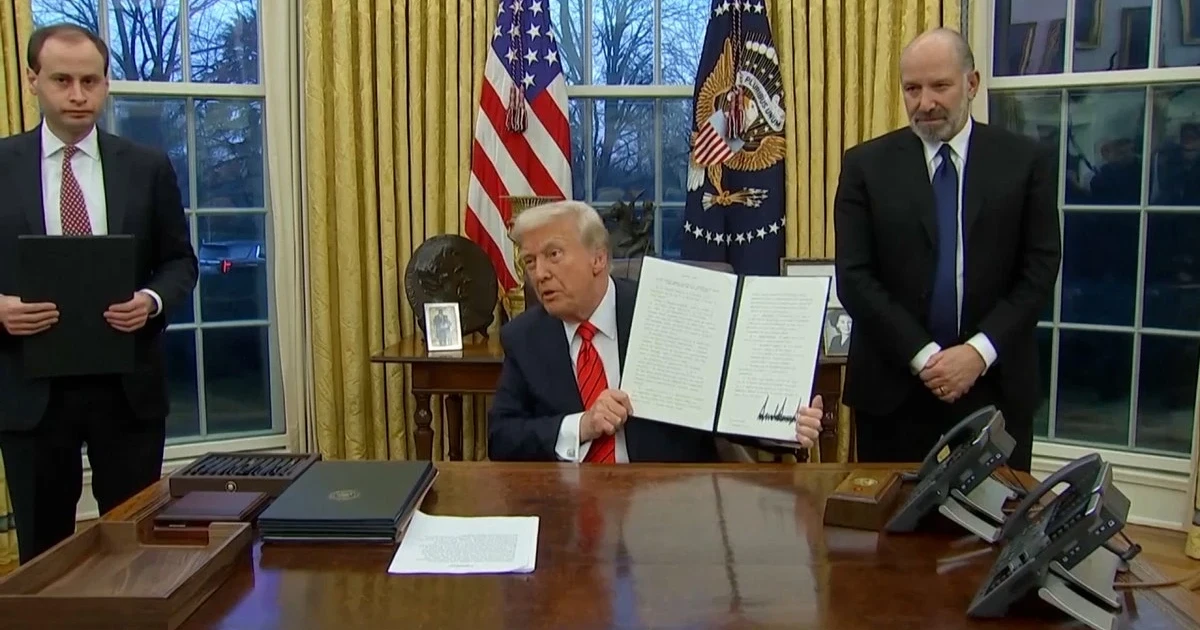
Donald Trump on Monday put the White House squarely behind a race that blends national security, industrial policy and basic scientific leadership: build a powerful quantum computer by 2028, and harden federal systems before quantum machines can crack today’s encryption. The administration cast China as the main rival, saying the United States must move fast enough to keep its edge in a technology that could reshape computing, communications and cybersecurity.
The first executive order set up a national effort to develop what the White House called the first quantum computer powerful enough to start a new era of quantum-enabled scientific discovery and commercial applications. It directed the Assistant to the President for Science and Technology to update the National Quantum Strategy within 180 days, working with the Secretaries of War, Commerce and Energy, the Director of National Intelligence and the National Science Foundation. The order also reconstituted the National Quantum Initiative Advisory Committee and expanded the Quantum Counterintelligence Protection Team, while calling for deeper coordination with international partners.
The second order focused on defense against the threat quantum computing could pose to government networks. The White House said agencies should move toward post-quantum cryptography, with a goal of migrating key systems by 2030 or 2031. That shift matters because sufficiently advanced quantum computers could someday defeat current encryption and expose military, diplomatic and commercial data. NIST describes its post-quantum cryptography program as a multi-year international effort to protect electronic information from future quantum computers, and says organizations need to identify quantum-vulnerable public-key algorithms and plan migrations to its standards.
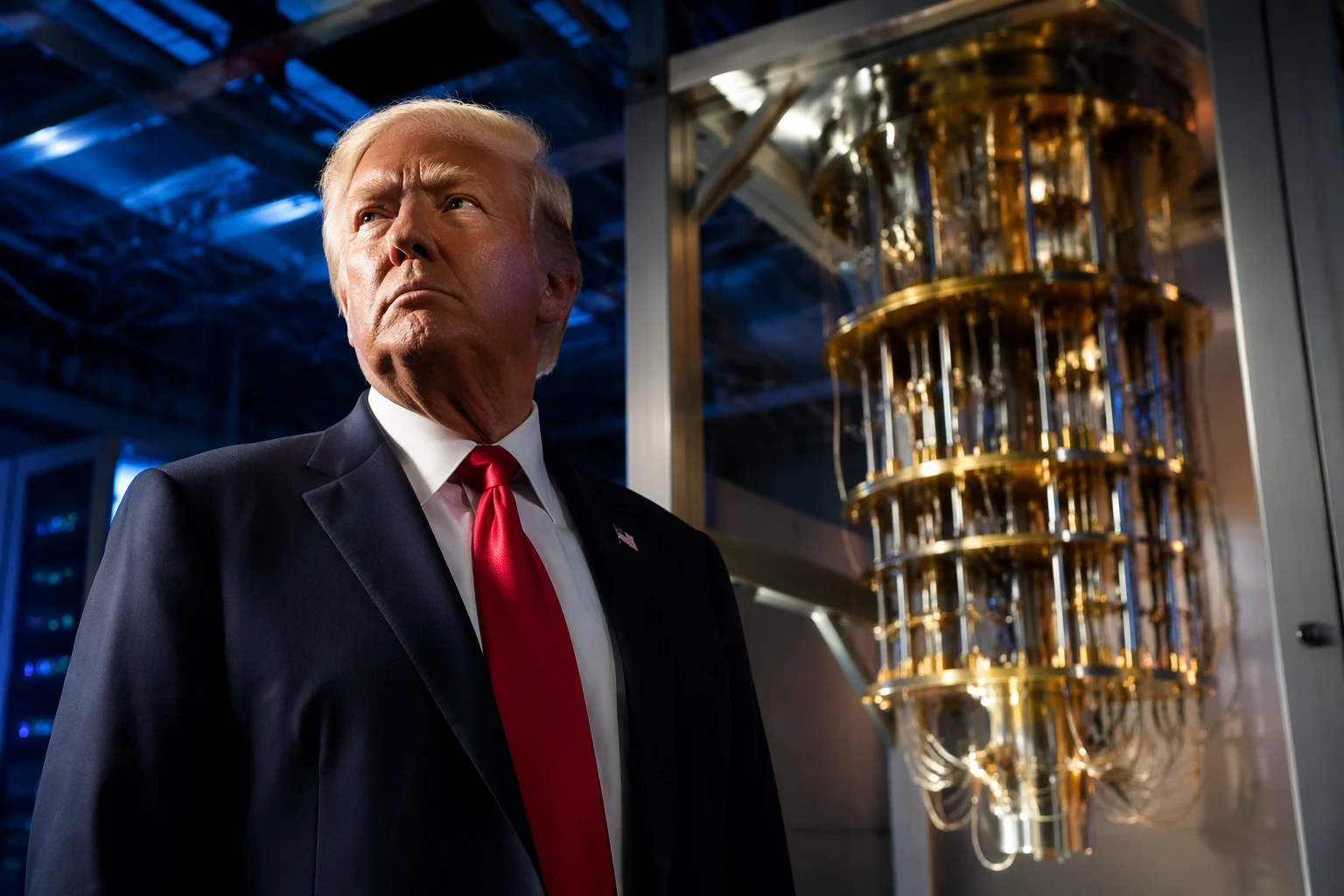
The push also reached beyond code and into industrial capacity. A Commerce Department move on May 21, 2026, backed nine letters of intent totaling $2.013 billion in federal incentives under the CHIPS and Science Act, covering two domestic quantum foundry companies and seven quantum computing companies working toward utility-scale, fault-tolerant machines. That funding signals Washington is not just cheering the sector from the sidelines, but trying to shape the manufacturing base that would make the 2028 target credible.
Trump also tied the new orders to his earlier quantum record, noting that he signed the National Quantum Initiative Act in December 2018. NSF says that law created the first whole-of-government strategy for American leadership in quantum and established research centers and a coordination office. More than 20 companies are already involved in the National Quantum Virtual Laboratory design effort, including major names in finance, computing and hardware, showing how quickly the field has moved from lab science to a contest over talent, supply chains and strategic advantage.
Sources
- [1]usnews.com
- [2]whitehouse.gov
- [3]nist.gov
- [4]csrc.nist.gov
- [5]nccoe.nist.gov
- [6]ncses.nsf.gov
- [7]nsf.gov