World
Trump orders renewed blockade on Iran-linked shipping in Strait of Hormuz
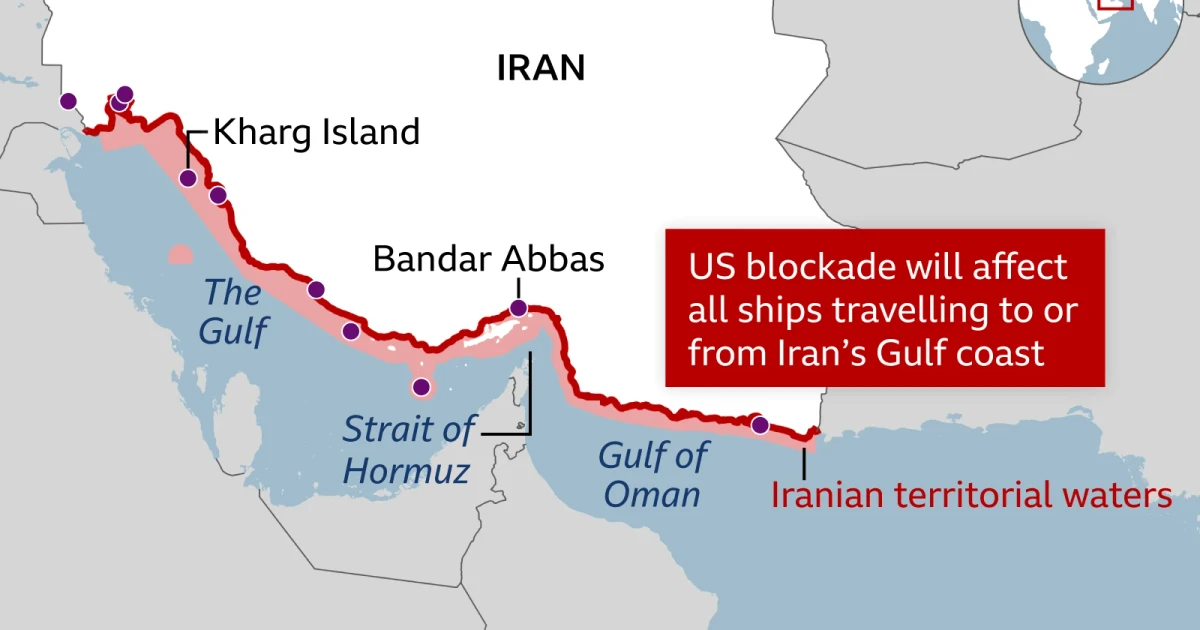
U.S. warships and aircraft resumed a blockade on maritime traffic entering and leaving Iranian ports at 4 p.m. ET on July 14, after the cease-fire with Iran collapsed. The order, issued by President Donald Trump, leaves regional traffic moving only if it is not violating the blockade and puts the Strait of Hormuz back under intense military pressure.
U.S. Central Command said the renewed action covers vessels going to and from Iranian ports and coastal areas. The command said the first blockade ran from April 13 to June 18, when it redirected more than 140 compliant vessels, disabled nine non-compliant ships and allowed more than 50 commercial vessels carrying humanitarian aid to pass. It also warned mariners in the Gulf of Oman and the approaches to the Strait of Hormuz to monitor Notice to Mariners broadcasts and contact U.S. naval forces on bridge-to-bridge channel 16.
The renewed blockade lands in one of the world’s most consequential maritime corridors. The Strait of Hormuz is a chokepoint for global oil and liquefied natural gas flows, and the latest surge in fighting has already shaken energy markets. Brent crude climbed to about a one-month high, nearing $85 a barrel, and one market report said oil jumped more than 9% after Trump announced the blockade.
The confrontation has also moved steadily closer to direct naval contact. On May 20, U.S. Marines from the 31st Marine Expeditionary Unit boarded the Iranian-flagged tanker M/T Celestial Sea in the Gulf of Oman, after it was suspected of trying to violate the blockade by heading toward an Iranian port. That operation underscored how quickly the crisis can turn from a shipping dispute into a military one.
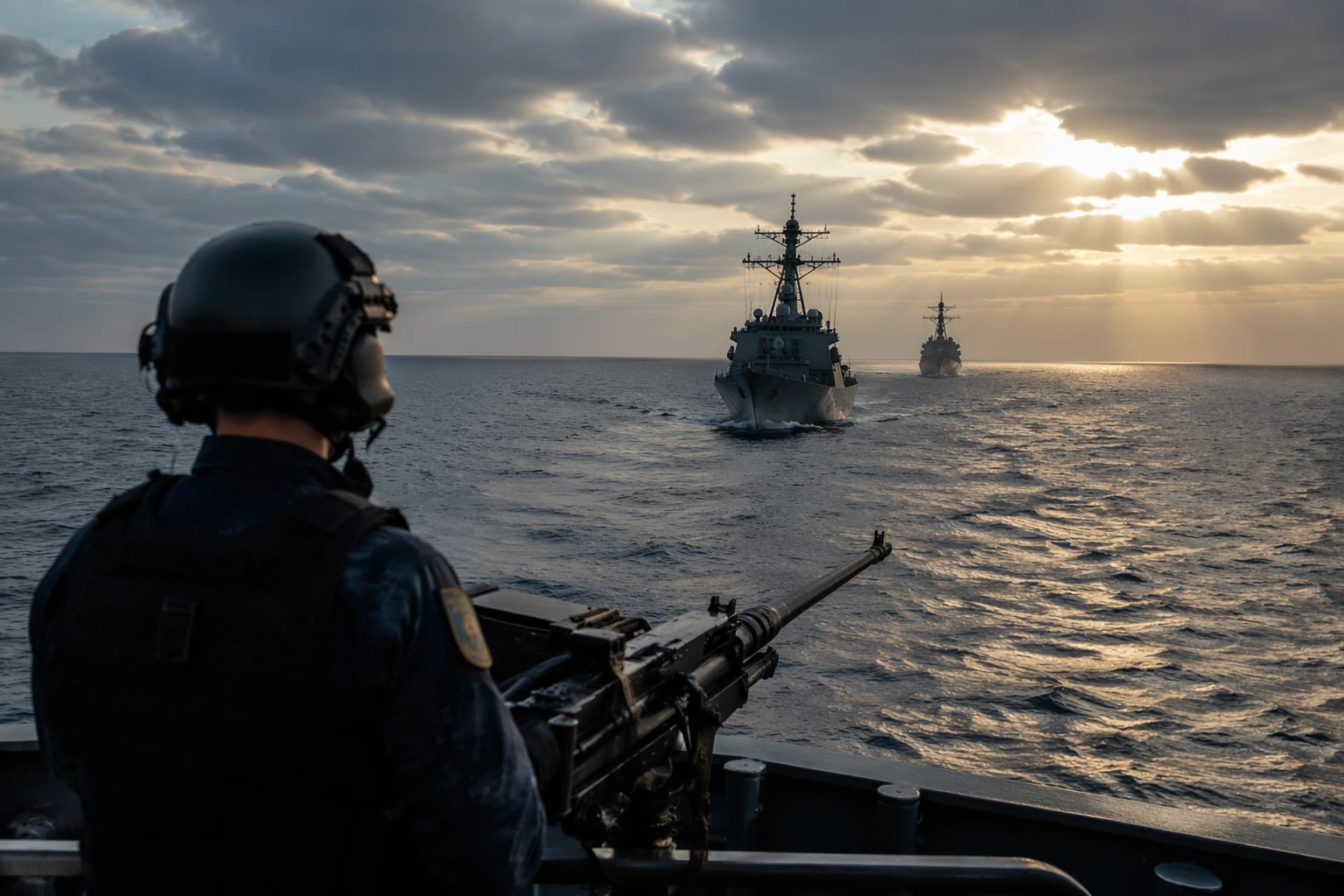
The blockade had been lifted on June 18 after Washington and Tehran signed a 60-day memorandum of understanding aimed at ending hostilities while nuclear negotiations continued. After that deal, the Joint Maritime Information Center lowered the threat level in the Strait of Hormuz from critical to moderate, though it still warned mariners to expect mines, congestion and naval activity and advised use of the southern route through Omani waters.
Iran’s Islamic Revolutionary Guard Corps said retaliatory operations would continue until the United States stopped its aggression, signaling that the reopening of the blockade could deepen the cycle of attack and response. With U.S. warships and aircraft still in the region, the confrontation now tests how far Washington is willing to go short of a wider war.
Sources
- [1]nytimes.com
- [2]centcom.mil
- [3]news.usni.org
- [4]apnews.com
- [5]al-monitor.com
- [6]cnbc.com