World
Trump orders strong U.S. strikes on Iran after Apache downing
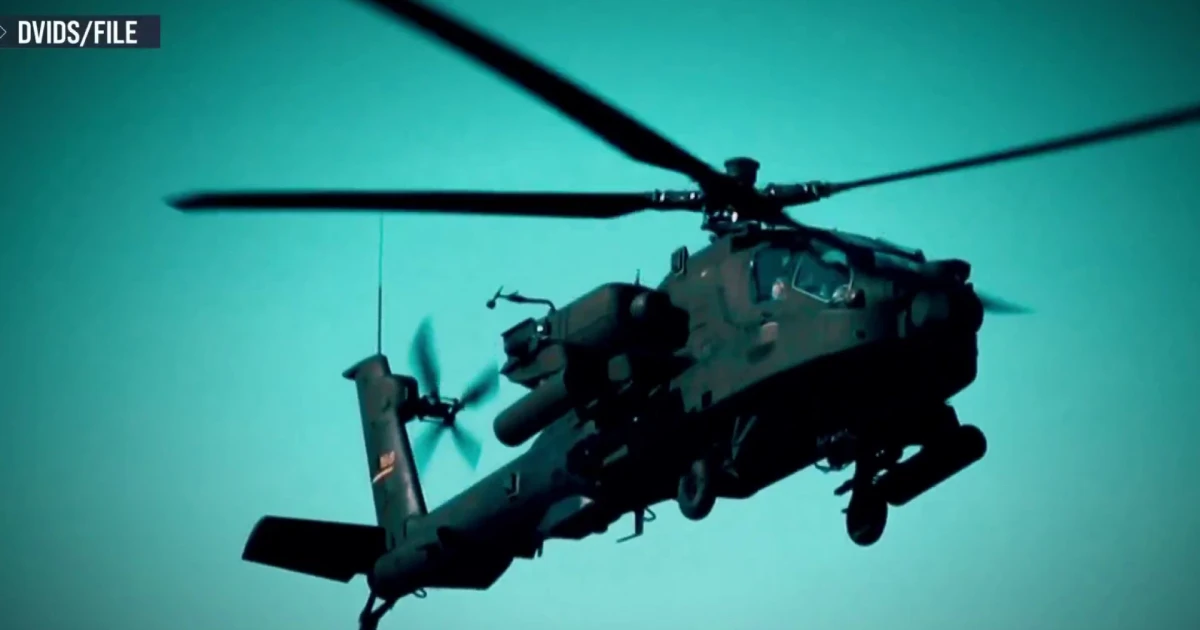
The downing of a U.S. Army Apache helicopter near the Strait of Hormuz set off a rapid U.S. counterstrike that now stands as a test of how far Washington is prepared to go before a localized clash becomes a wider fight. The two crew members were rescued and were uninjured, but the response quickly moved from recovery to retaliation as President Donald Trump said he believed the answer should be “very strong, very powerful.”
U.S. Central Command said Tuesday evening that it carried out “self-defense strikes” on Iran after the Apache went down on Monday near one of the world’s most strategically important shipping lanes. CENTCOM called the operation a “proportional response to unjustified Iranian aggression,” language that signals the Pentagon is treating the incident as a direct attack rather than an isolated accident. Reporting said the strikes hit Iranian air-defense, ground-control, and surveillance-radar sites near the strait.

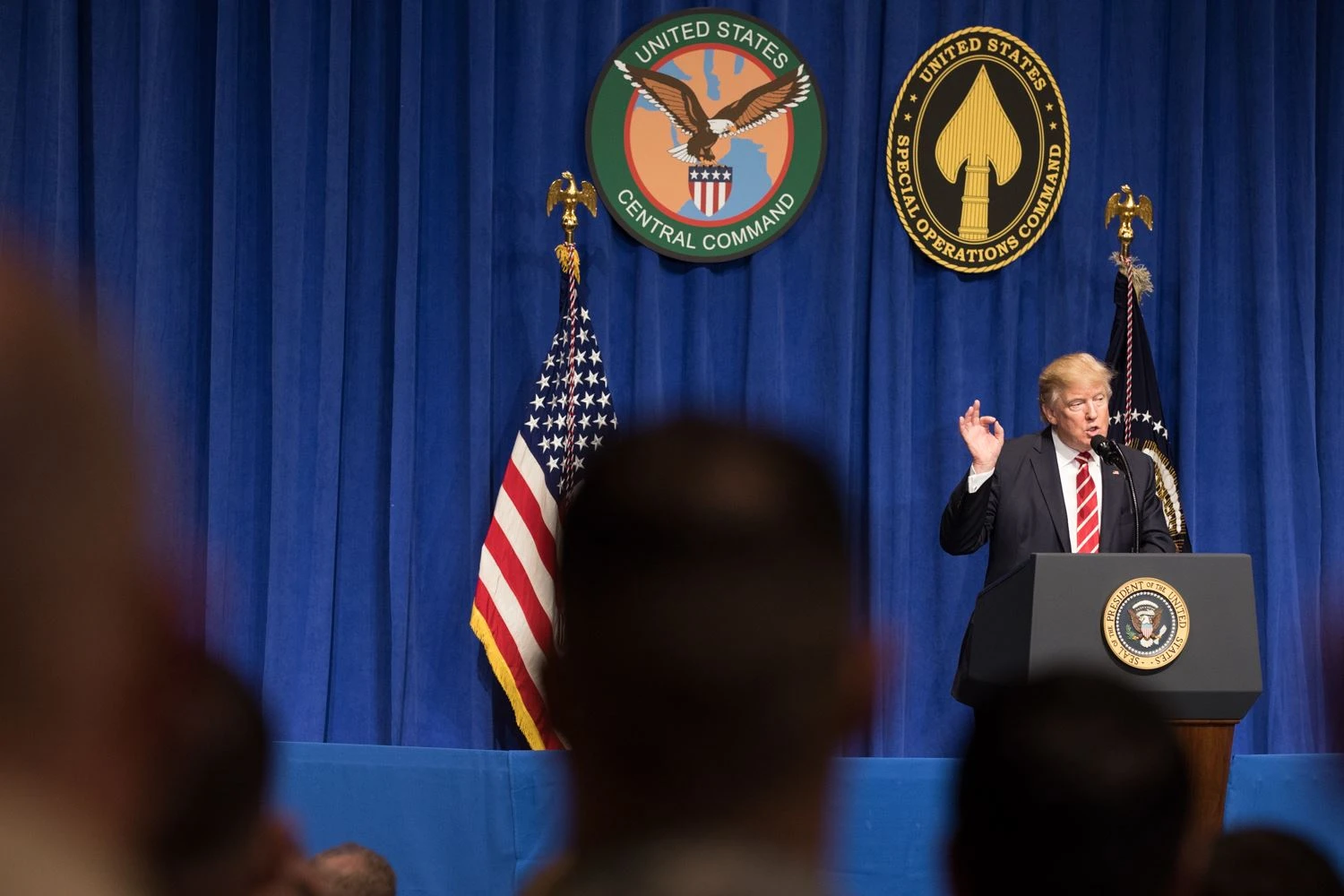
Trump said he had been briefed by military officials that Iran was responsible for the downing. In remarks to ABC News, he said, “I believe the response should be very strong, very powerful, and that’s what this one is.” That framing matters because it points to a response built around deterrence and immediate punishment, not a broader declaration of war. It also leaves open the central question now facing the administration: whether the rules of engagement have shifted from reactive self-defense to a standing willingness to hit Iranian military infrastructure whenever U.S. forces come under fire.
The helicopter incident itself was also unusual. Separate reporting said the two crew members were pulled out by a sea drone, described as the first such rescue operation ever carried out by the U.S. military. Other reporting said the Apache was struck by an armed Iranian Shahed drone, though the exact circumstances were initially unclear. If that account holds, the episode would underscore how quickly drones, air defenses, and maritime operations can merge into a single escalation chain around the Strait of Hormuz and the Gulf of Oman.
For now, the exchange has moved the confrontation onto a more dangerous track. A downed helicopter, a high-profile rescue, and retaliatory strikes on radar and air-defense sites have already widened the stakes. The next decision point is whether the administration treats this as a contained act of self-defense or the opening phase of a longer campaign with no clear off-ramp.
Sources
- [1]cbsnews.com
- [2]politico.com
- [3]straitstimes.com
- [4]abcnews.com
- [5]yahoo.com
- [6]nbcnews.com