US News
Trump Outlines Hostage Rescue Amid Iran Tensions
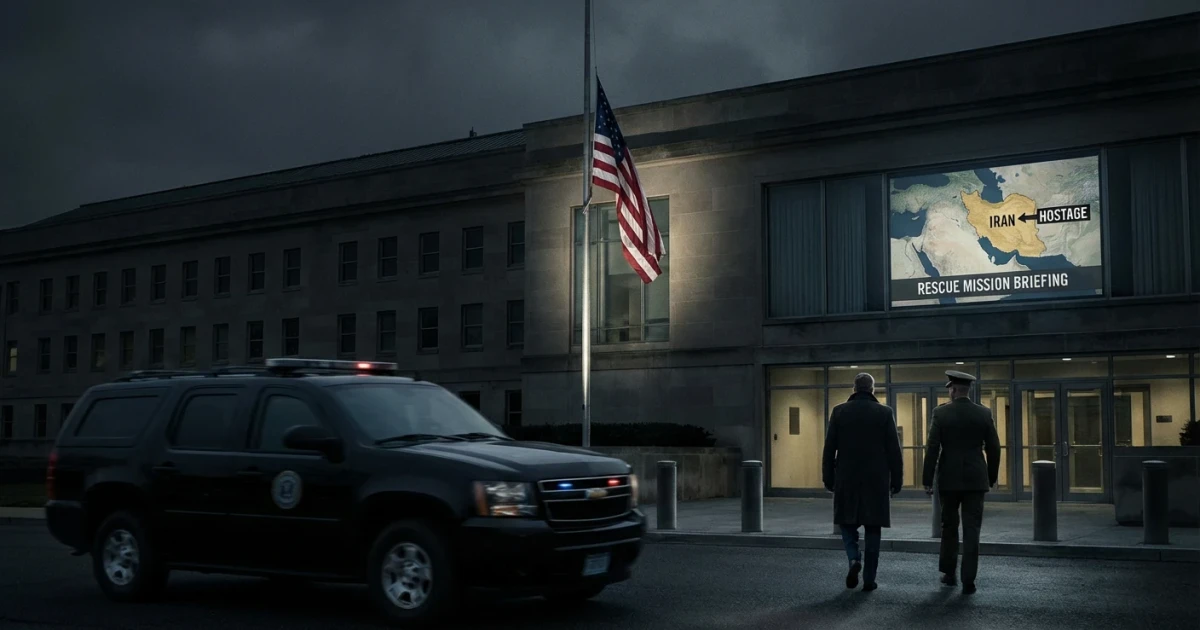
President Donald Trump is expected to publicly detail the recent U.S. military rescue operation after Iran rebuffed demands for war, intensifying the diplomatic stand-off between Washington and Tehran.
U.S. Rescue Mission and Escalating Tensions
The White House confirmed that two U.S. aircraft were destroyed during a high-stakes operation intended to extract American hostages from Iran, as reported by The Washington Post. This development comes amid a broader climate of deteriorating relations, with Iran formally rejecting U.S. demands perceived as precursors to military escalation.
- Two U.S. planes were lost in the mission, underscoring the risk and complexity of rescue operations within contested airspace. For a breakdown of the frequency and outcomes of such missions, readers can examine the U.S. Government Accountability Office's data on military operations in the Middle East.
- The mission was described as a “harrowing race against time,” with U.S. forces acting quickly to secure the safe release of hostages before conditions on the ground could deteriorate further.
- Official records, including the Congressional report on U.S. hostage rescue operations, highlight the inherent risks and historical outcomes of American efforts to extricate citizens from hostile environments.
Iran’s Response and International Law
Iran’s government has dismissed U.S. military demands, signaling a refusal to yield under pressure. According to recent statements, Iranian officials view the U.S. actions as an infringement on their sovereignty and have urged diplomatic, rather than military, solutions. These events raise critical questions around hostage rescue operations and international law, including the protocols that govern intervention on foreign soil.
Context and Continuing Risks
The rescue operation and Iran’s defiant stance come against a backdrop of increased regional instability. The U.S. Department of State's annual Country Reports on Terrorism and independent research from institutions like the RAND Corporation consistently note Iran’s central role in regional security dynamics and the risks associated with U.S. military interventions.
- Past U.S. hostage rescue efforts have often resulted in mixed outcomes, as outlined in official Congressional reviews, with both tactical successes and notable setbacks.
- The destruction of two U.S. planes in this mission adds to the growing tally of material and strategic costs associated with such operations, as reflected in recent government audits.
What Comes Next?
President Trump’s upcoming remarks are expected to clarify the sequence of events, the status of rescued hostages, and America’s next steps. The situation remains fluid, with analysts warning that further confrontation could trigger an escalation spiral. For a comprehensive look at potential military scenarios and their consequences, readers can consult the RAND Corporation's analysis of U.S.-Iran confrontation scenarios.
As diplomatic and military strategies unfold, the world watches closely to see whether dialogue or force will define the next chapter in U.S.-Iran relations.