Politics
Trump pardon process grows personal, driven by allies and donors
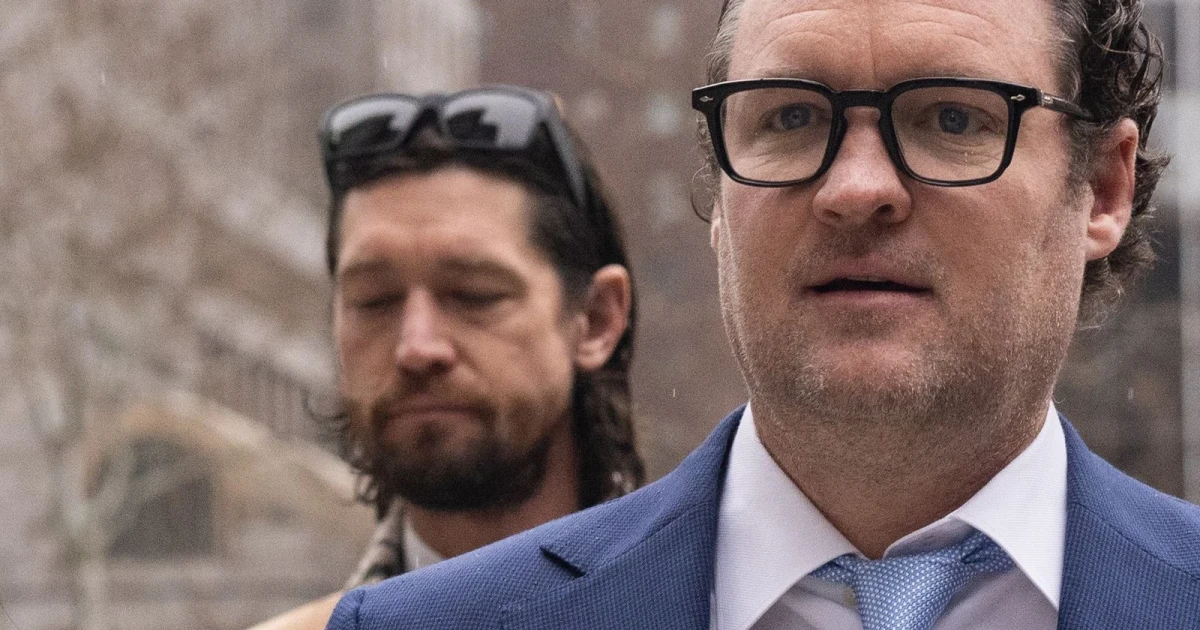
A phone call from Donald Trump to Trevor Milton laid bare how personal the pardon process had become: days before granting the electric-vehicle founder a full and unconditional pardon, Trump told Milton that high-profile advisers had persuaded him Milton had been treated unfairly and said he should call Robert F. Kennedy Jr. and thank him.
Milton’s case has emerged as a sharp example of how clemency under Trump moved away from the Justice Department’s traditional gatekeeping and toward an informal network of political allies, donors, celebrities and administration insiders. Milton, the founder of Nikola Corp., was convicted in 2022 of defrauding investors of more than $660 million. Trump erased that conviction with a pardon in March 2025.
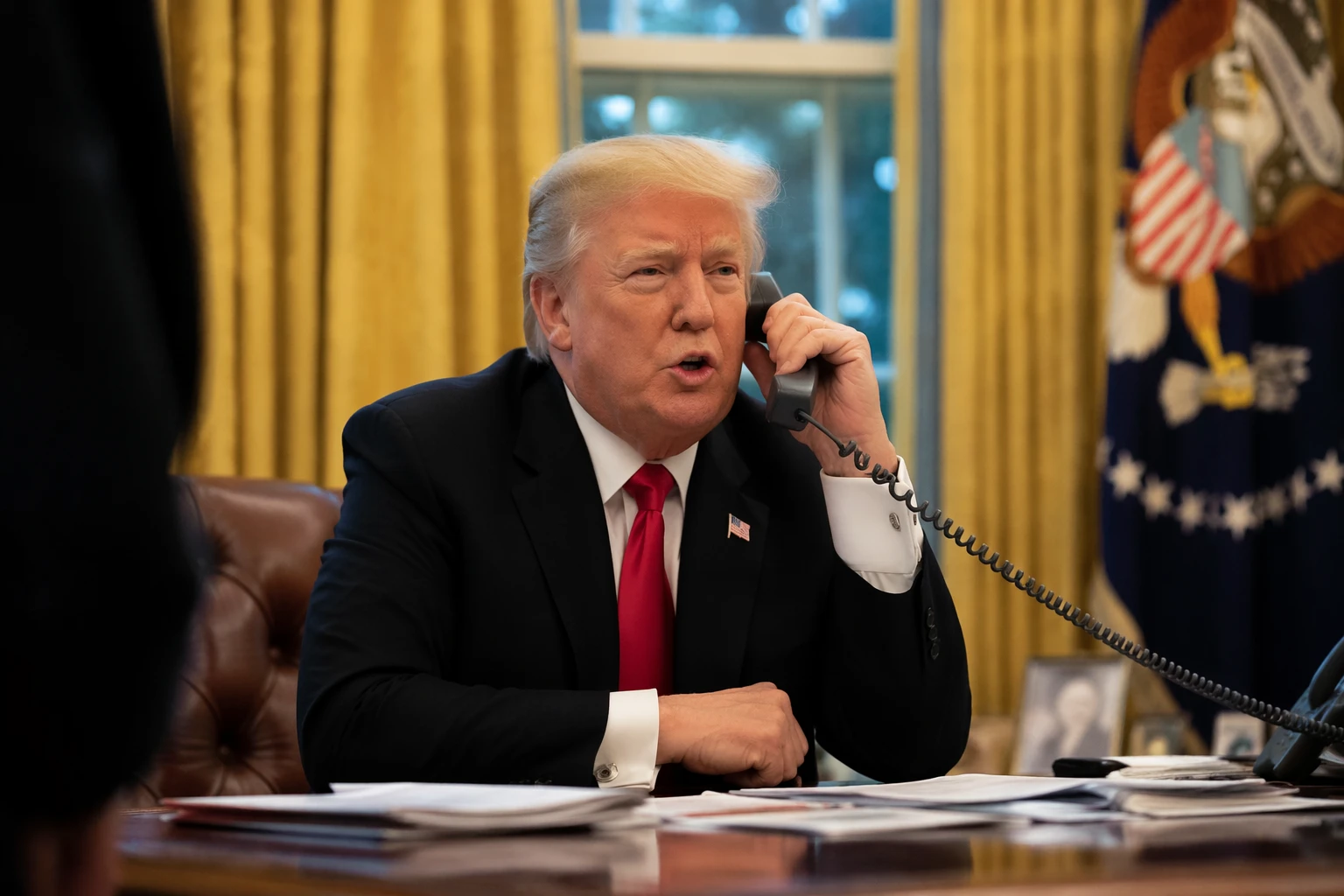
The Justice Department’s Office of the Pardon Attorney is supposed to review clemency applications, investigate them and make recommendations to the president. The office, which DOJ says is staffed by about 40 attorney and non-attorney employees and operates under the deputy attorney general’s general oversight, has historically served as the main federal gatekeeper. The new pattern suggests that role has been weakened as access and political loyalty take priority over the standard review process.
The clemency system also now appears to reward petitioners who can tell a story that fits Trump’s grievance politics. The successful pitch increasingly casts defendants as victims of overzealous prosecutors or partisan justice, language that appears to resonate with Trump’s own view of himself. In Milton’s case, the money trail deepened the scrutiny: he and his wife made substantial political donations, including millions to Trump’s 2024 campaign and contributions to a PAC linked to Kennedy.
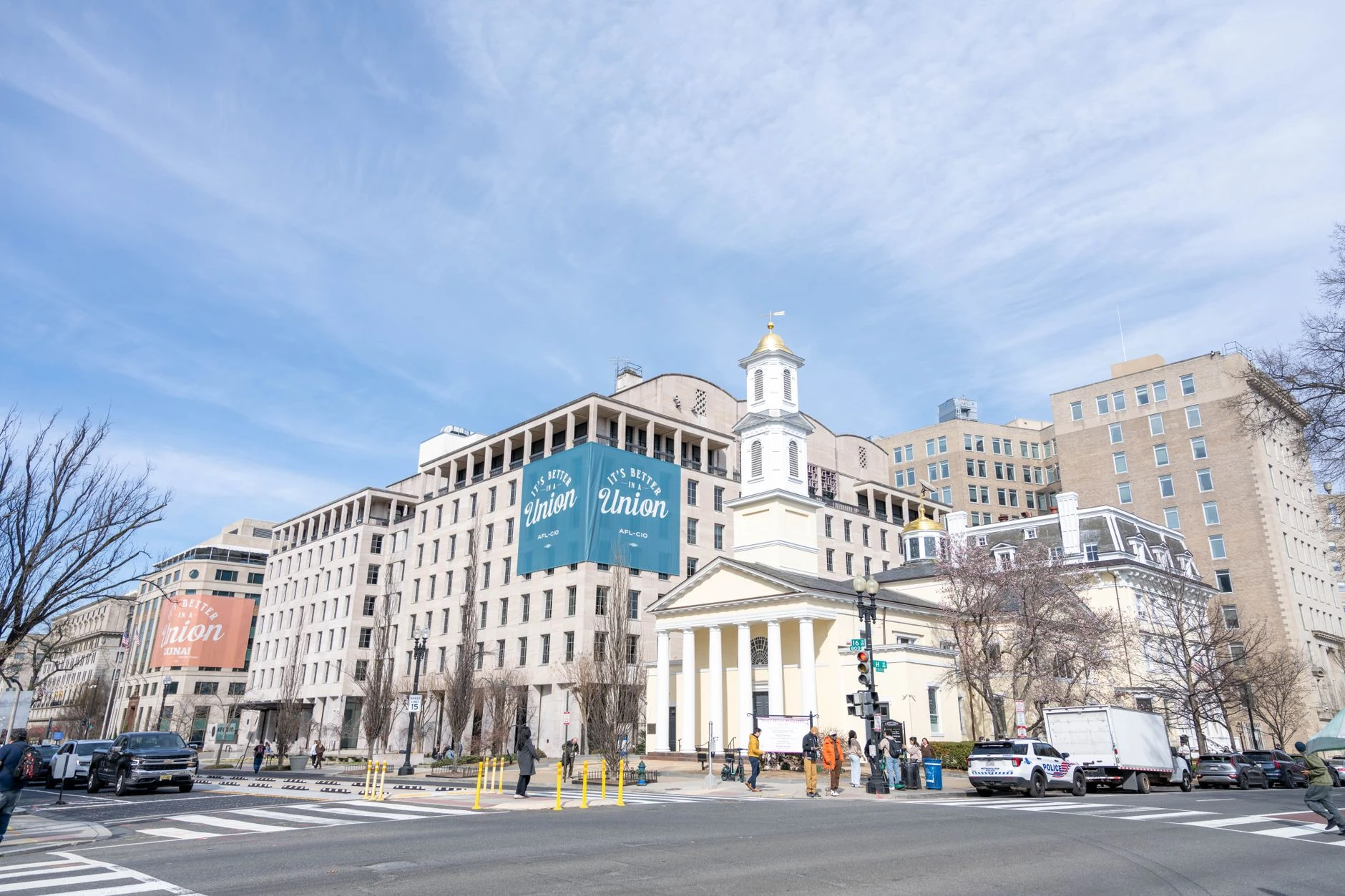
The implications extend well beyond one billionaire donor. Pardons carry symbolic weight because they test whether people with money, prominence or political connections receive different treatment than ordinary petitioners. When a pardon for a white-collar fraud conviction is delivered through personal relationships rather than a visible legal process, it raises questions about fairness, transparency and equal treatment under the law.
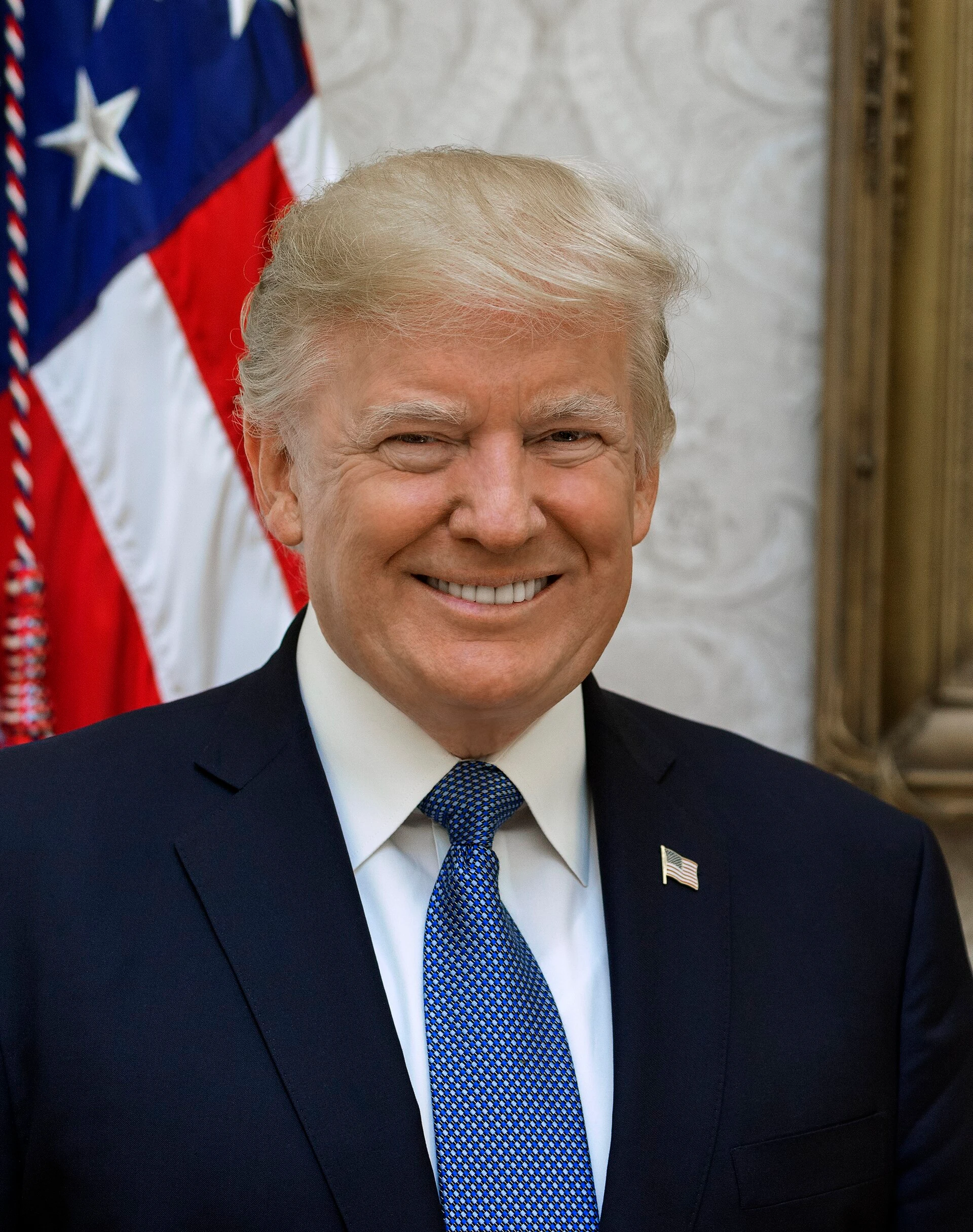
Those concerns sharpened in May 2026, when Senate Democrats and House Democrats opened an investigation into whether Trump’s pardons and commutations were driven by pay-to-play dynamics. Lawmakers sent letters to 17 clemency recipients seeking information about intermediaries, contributions and influence. The inquiry underscored how closely the White House’s pardon power has become tied to politics, and how far the process has drifted from the formal review system meant to constrain it.
Sources
- [1]breakingnews.ie
- [2]justice.gov
- [3]cbsnews.com
- [4]cnbc.com
- [5]propublica.org
- [6]campaignlegal.org