Politics
Trump pardons six Clean Air Act violators in emissions case
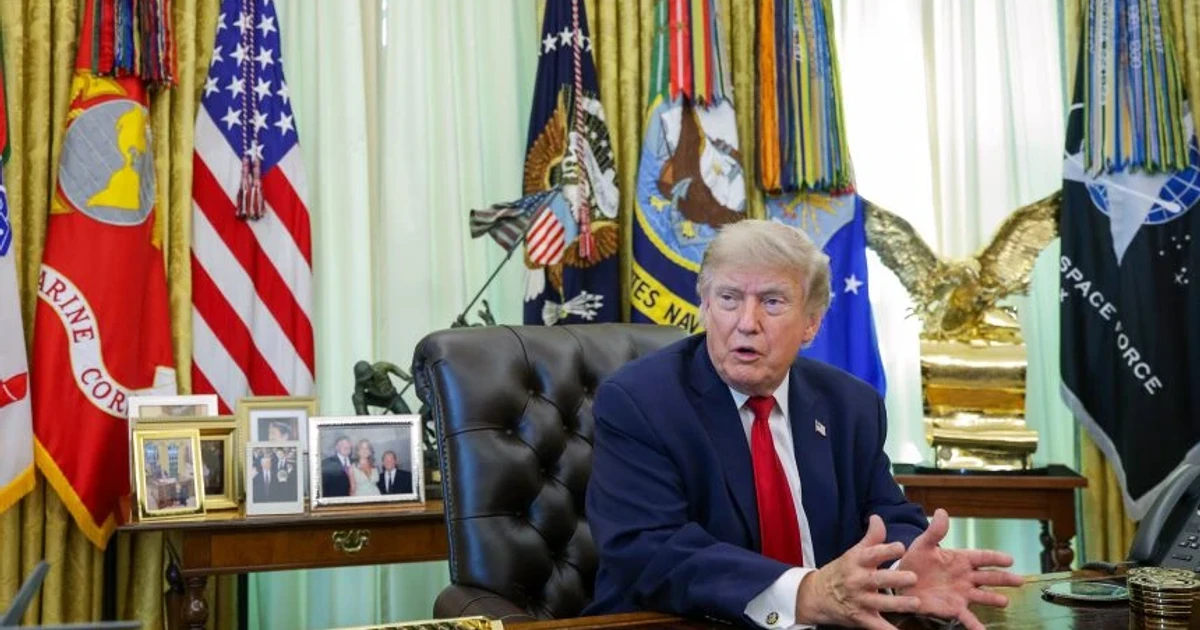
Donald Trump on Friday pardoned six people convicted in Clean Air Act cases tied to vehicle-emissions tampering, after casting them as victims of “weaponization” and saying they had been “persecuted by the Biden Administration.” The White House did not immediately release their names, leaving the reach of the clemency order unclear. The cases involved so-called defeat devices, the tools used to disable pollution controls in diesel-powered vehicles.
The pardons touched a dispute that federal regulators have long treated as an environmental and public-health problem, not a minor repair issue. The Environmental Protection Agency says illegally modified vehicles and engines contribute substantial excess pollution, harm public health and make it harder for states, tribes and local agencies to plan for and meet air-quality standards. In January 2026, the Justice Department ordered prosecutors to stop pursuing criminal charges and to drop pending cases targeting illicit defeat devices, while leaving civil enforcement in place.
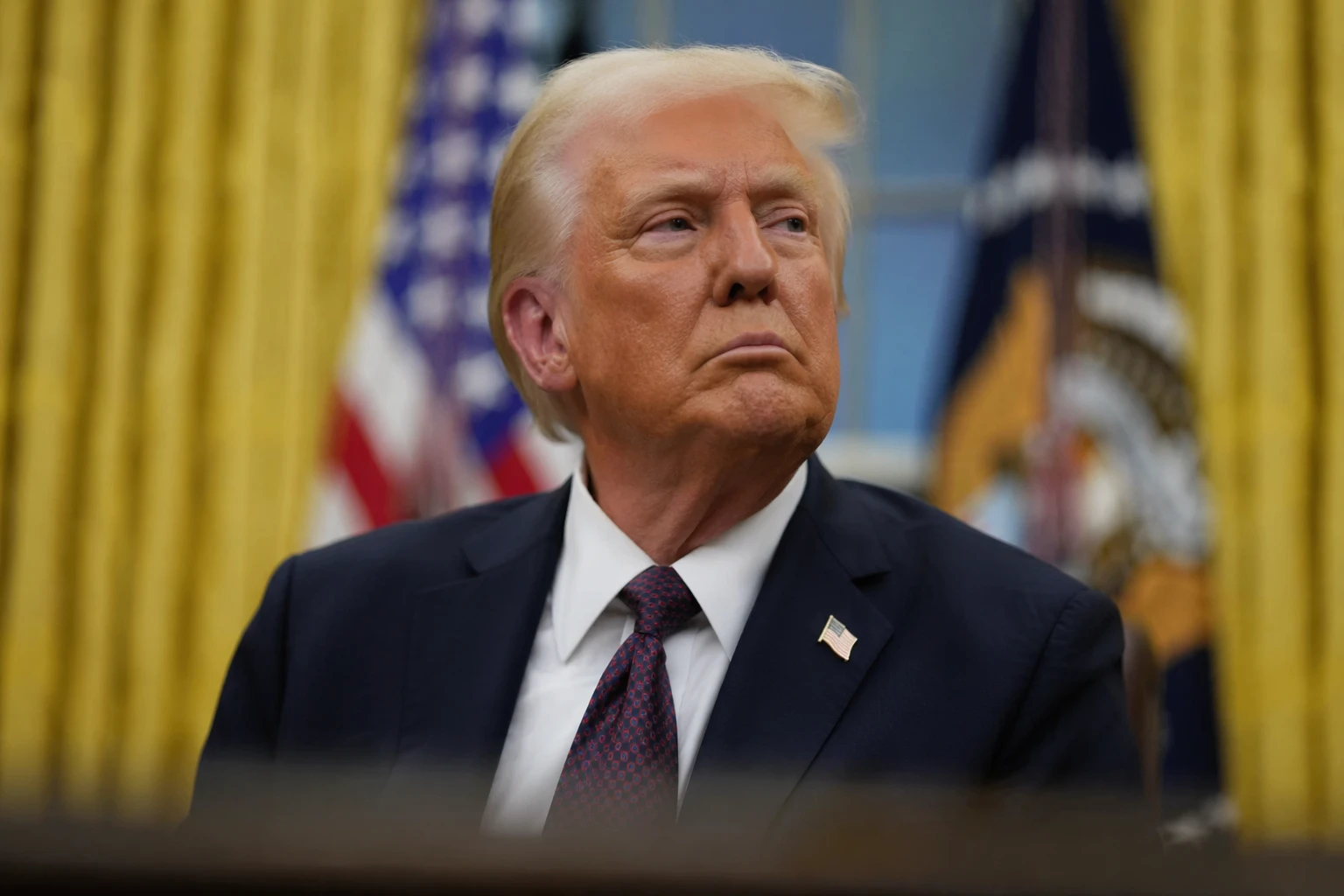
Trump defended the action in a Truth Social post, writing, “I AM SETTING THEM ALL FREE, RIGHT NOW!” He paired that with the claim that the defendants were simply “fixing their car,” a framing that collides with the underlying federal cases involving emissions-system tampering. The pardons were approved after a Friday meeting with senior White House officials, and they extended a pattern in which the president has used clemency to intervene in pollution-related prosecutions.
The move followed an earlier grant of clemency to Troy Lake, a Wyoming diesel mechanic who had disabled pollution-control monitors on hundreds of commercial diesel trucks. Lake had been sentenced to one year and one day in prison before receiving clemency in November 2025. His case became an early signal that emissions-enforcement offenses could become a target for presidential intervention, not just legal punishment.
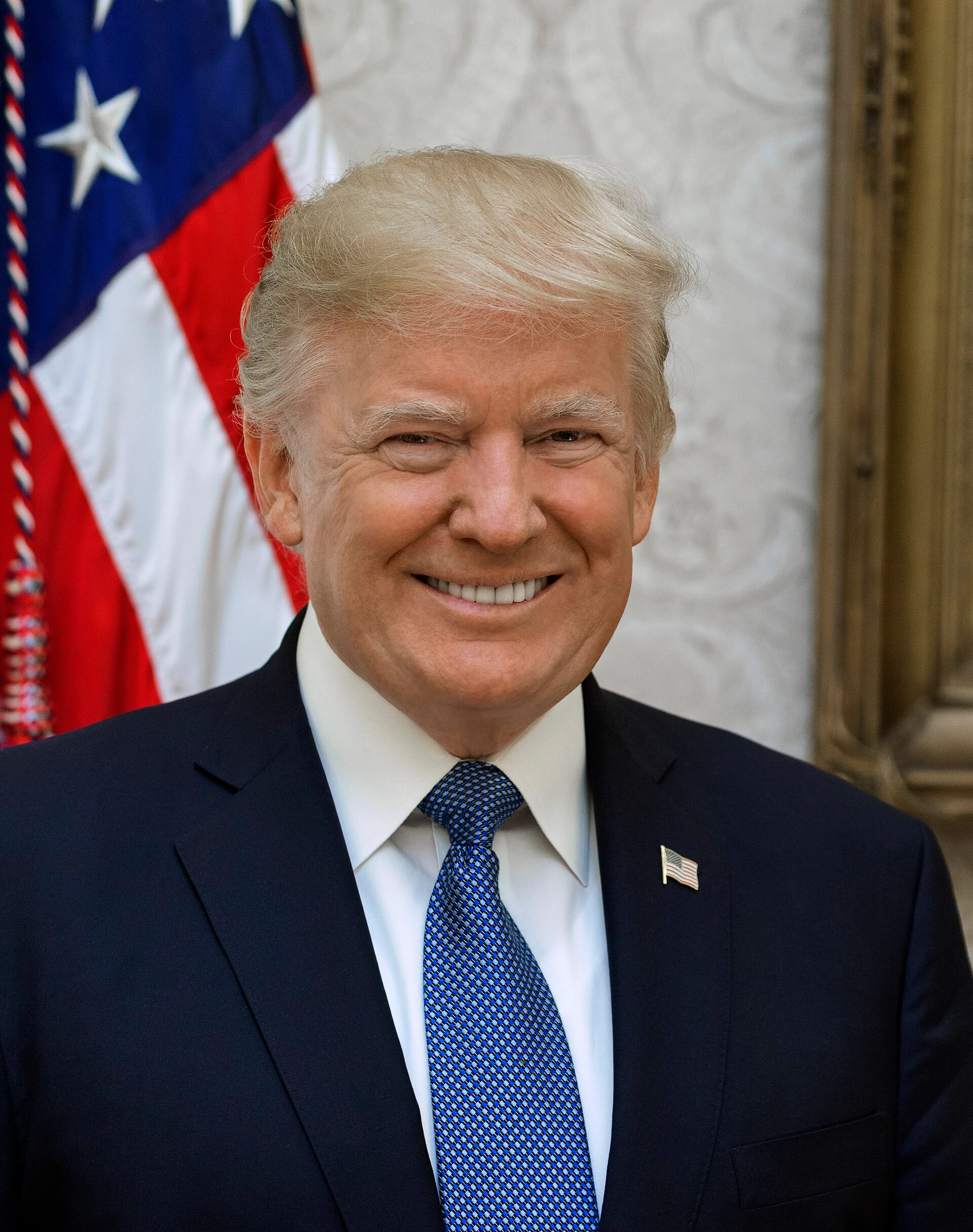
The broader clemency record has drawn scrutiny as Trump has expanded its use in his second term. Reuters reported in June that 96% of his second-term clemency grants did not meet longstanding Justice Department guidelines, a figure that underscores how far the White House has moved beyond traditional limits. With the latest pardons, Trump again stepped directly into an enforcement arena where prosecutors and regulators have treated emissions tampering as a serious violation, and where future administrations may now face pressure to redraw the line between criminal accountability and executive mercy.
Sources
- [1]cbsnews.com
- [2]ktvz.com
- [3]epa.gov
- [4]politico.com