US News
Trump plan would raise citizenship fees and end low-income waivers
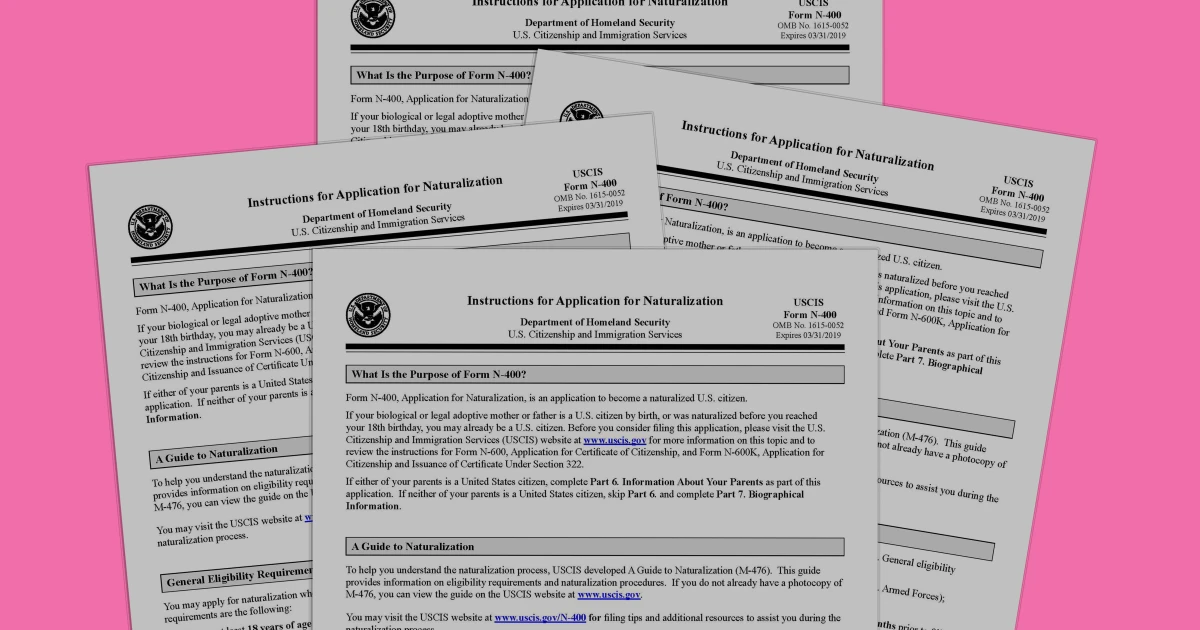
Legal immigrants seeking U.S. citizenship could soon face a far steeper price tag. The Trump administration unveiled a plan Monday to add $570 to naturalization application costs while eliminating waivers and fee reductions for low-income applicants, turning access to citizenship into a sharper financial test for lawful permanent residents who are already eligible to apply.
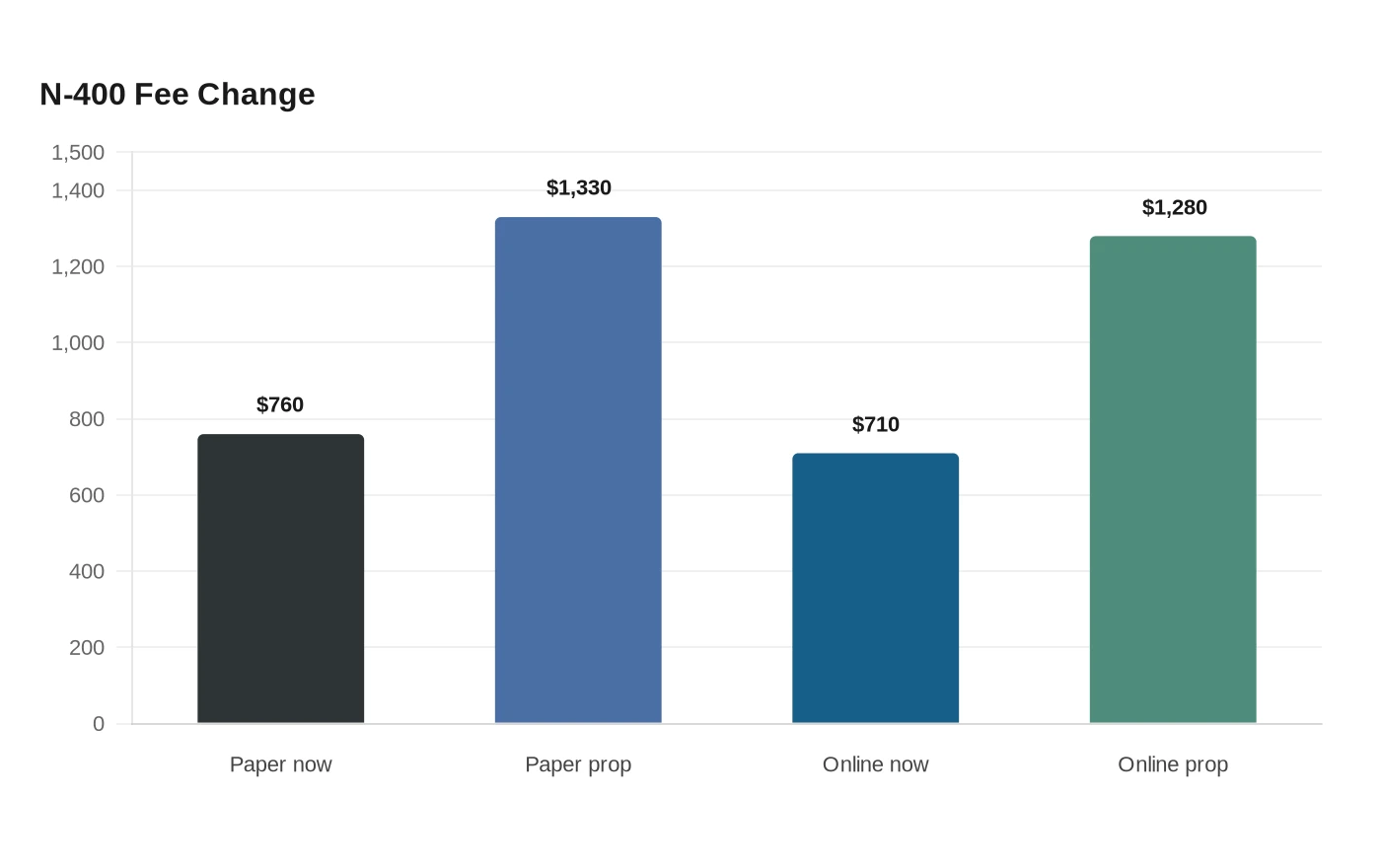
Under the proposal, the fee for Form N-400 would rise from $760 to $1,330 for paper filings and from $710 to $1,280 for online filings. The fee for Form N-336, used to request a hearing after a denied naturalization application, would also increase. The changes would not take effect immediately because they are part of a proposed regulation that must move through the federal rulemaking process, including a 60-day public comment period.
The Department of Homeland Security says the higher charges are needed to fully cover the cost of processing citizenship applications, especially as the administration expands screening and vetting. USCIS, which runs largely on user fees, said about 96% of its funding comes from filing fees and about 4% from congressional appropriations. The agency also said it no longer believes naturalization should be kept cheaper at the expense of other immigration benefits.
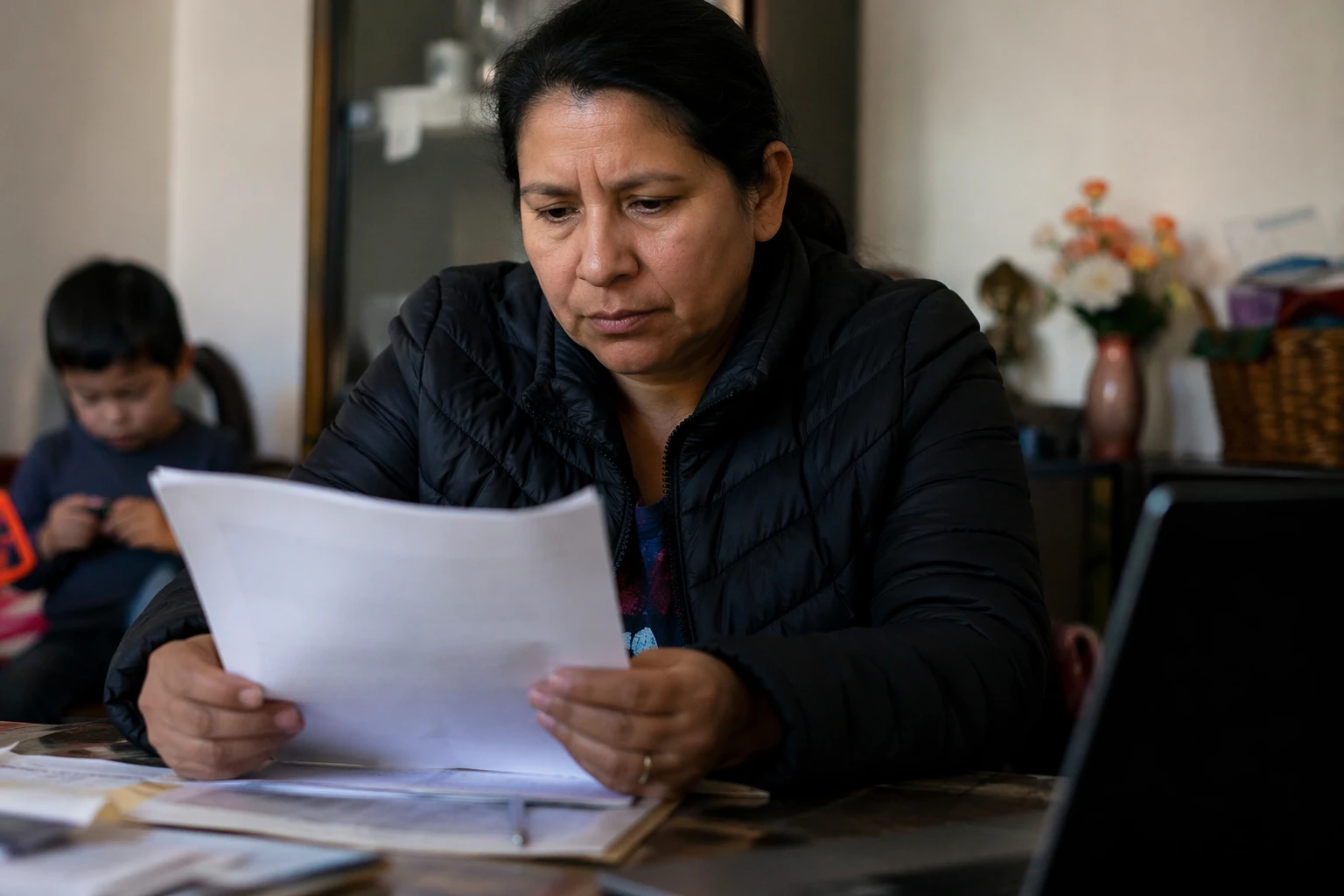
The proposal would eliminate the reduced-fee option for applicants with household incomes at or below 400% of the federal poverty guidelines and would end fee waivers for citizenship cases except where required by statute, including for military service members. That would reverse the broader access opened under USCIS’s Jan. 31, 2024 fee rule, which took effect on April 1, 2024 and expanded reduced-fee eligibility to applicants with incomes between 150% and 400% of poverty. USCIS also said at the time that fee waivers remained available for applicants with a means-tested benefit, income at or below 150% of poverty, or extreme financial hardship.
Advocates have long warned that narrowing waivers can hit older and lower-income applicants hardest. Nearly 40% of naturalization applicants received a fee waiver in 2017, according to the American Immigration Council, a sign that the existing safety net has been central to the naturalization process for many families.
The stakes are large. The New Americans Campaign says about nine million lawful permanent residents are eligible to naturalize, more than 840,000 people became citizens in the previous year, and denials rose almost 15% in 2025. As the price rises and the waiver system shrinks, the central question is whether the proposal is a routine cost-recovery measure or a financial barrier to becoming American.