Politics
Trump plans to move special education and civil rights out of Education Department
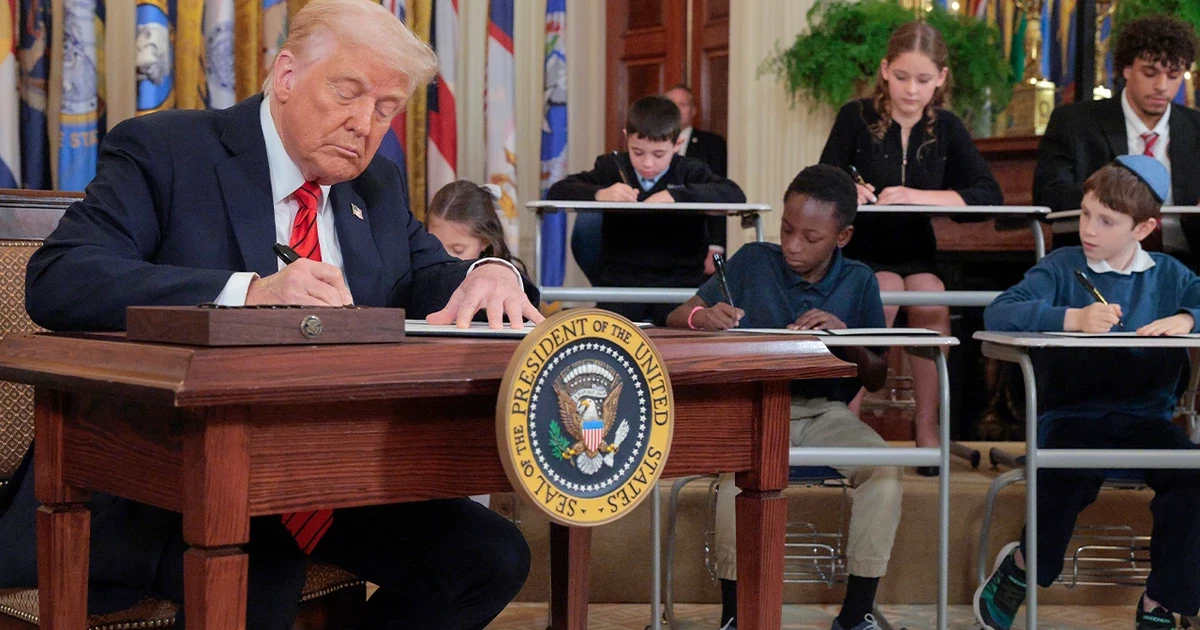
The Trump administration moved to split two of the Education Department’s most consequential responsibilities, shifting special education oversight to the Department of Health and Human Services and civil rights enforcement to the Department of Justice. The plan would move the Office of Special Education and Rehabilitative Services out of Education and send the Office for Civil Rights elsewhere, even as the department said students, parents and families would not be affected.
Education Secretary Linda McMahon cast the HHS move as a way to strengthen academic outcomes and help people with disabilities build greater independence, key life skills and meaningful employment. She said the DOJ arrangement would deliver stronger, more coordinated civil rights enforcement and stronger student privacy protections. But the practical question for families and districts is who will actually answer when schools fail to provide services, delay evaluations or ignore discrimination complaints.
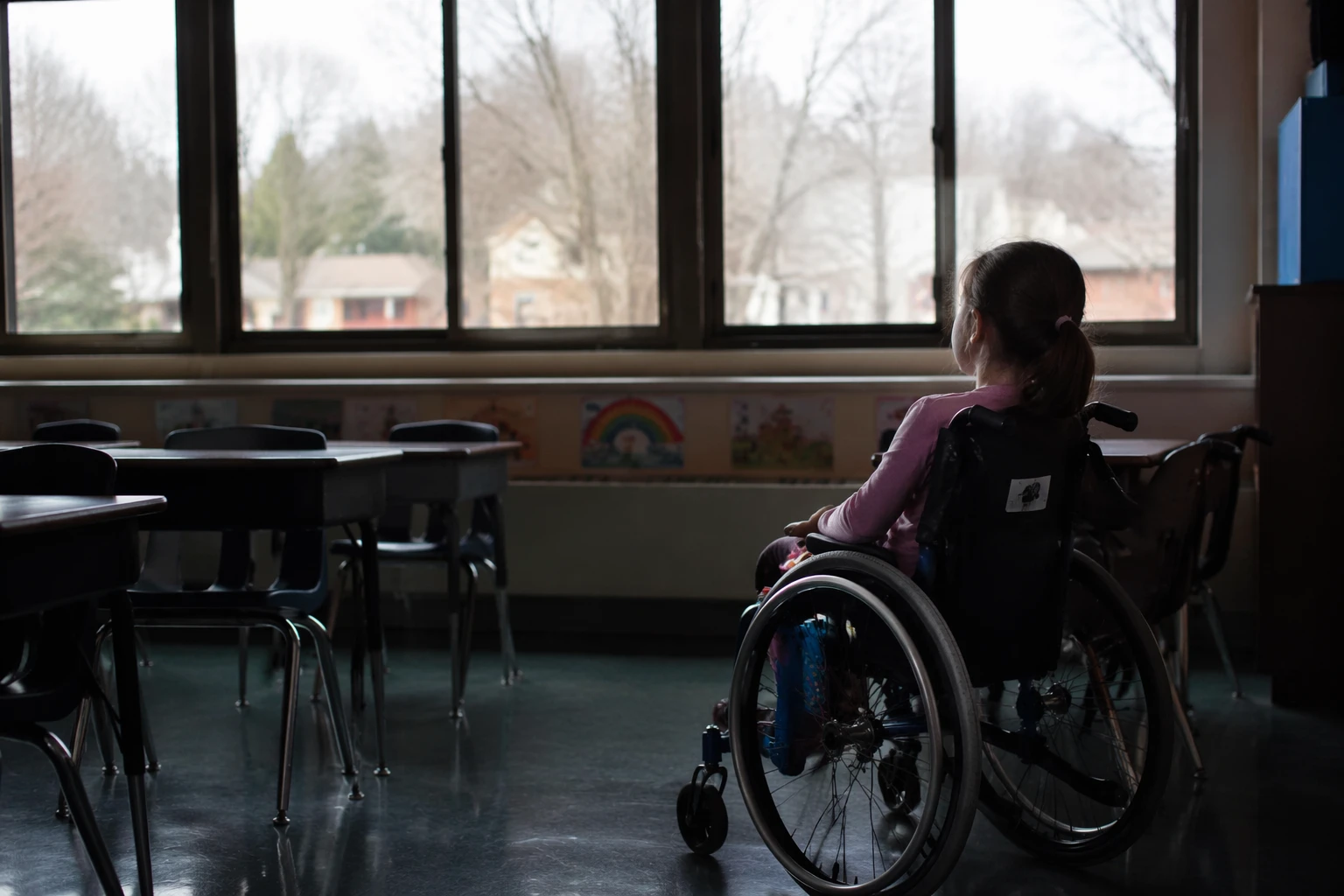
The special education office administers the Individuals with Disabilities Education Act and oversees roughly $15 billion in federal funding for students with disabilities. Brookings has said IDEA funding is the main federal mechanism shaping how special education is delivered nationwide, which means any change in where that money and oversight sit could ripple through local school districts, therapists, parents and students who rely on a predictable federal backstop. Advocates have warned for months that moving the work out of Education could weaken oversight for the 7.5 million children with disabilities served under the system.
Civil rights enforcement is also at stake. The Office for Civil Rights has handled investigations into transgender-inclusive policies, campus antisemitism, race-based discrimination in college admissions and disability complaints, but Brookings said the Trump administration’s March 2025 layoffs sharply reduced its enforcement capacity. Transferring that office to Justice would not just change the address of the work, it could further fragment a function that schools and colleges already navigate under intense scrutiny.

The move is part of a broader effort to dismantle the Education Department without an act of Congress. The administration has already shifted K-12, higher education and career and technical education programs to the Labor Department and begun moving the department’s $1.7 trillion student loan portfolio to the Treasury Department. Trump has repeatedly said he wants to return education authority to states and local communities, but critics say the result could be a weaker federal shield for students who need it most. Closing the department outright would still require Congress, leaving this latest transfer as another test of how far the White House can push fragmentation before families feel the loss.
Sources
- [1]news.google.com
- [2]politico.com
- [3]brookings.edu
- [4]k12dive.com
- [5]ed.gov
- [6]apnews.com