World
Trump plans tolls and blockade in Strait of Hormuz as Iran conflict escalates
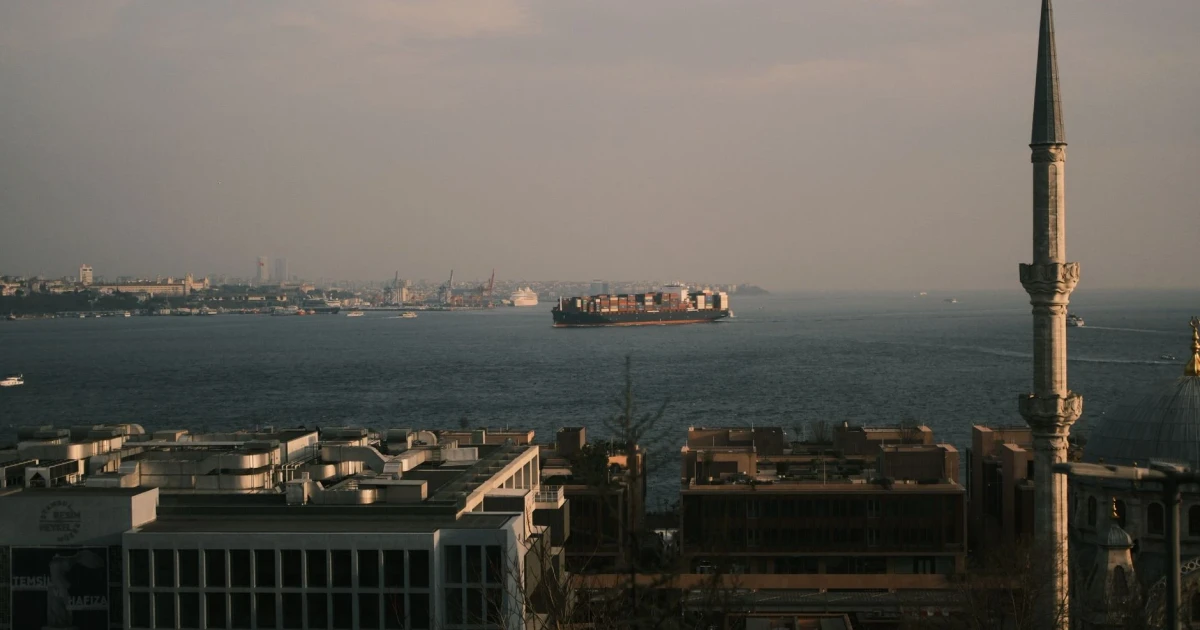
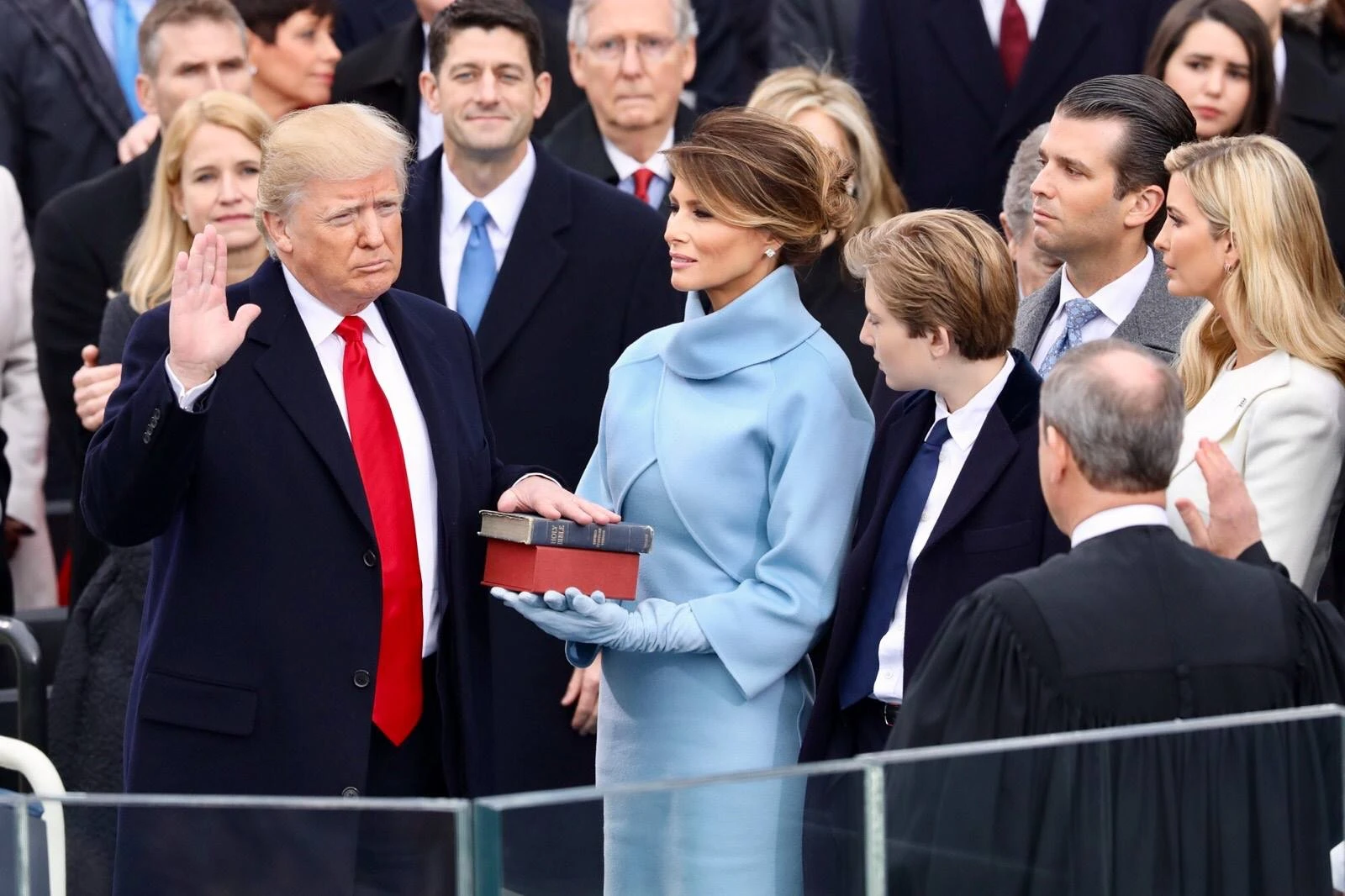
Donald Trump said the United States would charge a 20% toll on cargo moving through the Strait of Hormuz and reimpose a blockade on Iranian ports, coasts and ships, escalating pressure on one of the world’s most sensitive oil corridors.
U.S. Central Command said the blockade would resume Tuesday at 4 p.m. ET, after the United States lifted an earlier blockade on June 18 as part of a 60-day ceasefire with Iran. CENTCOM also said it began another round of strikes against Iran on Monday evening, following a weekend of intensifying attacks between the two sides.
The Strait of Hormuz sits at the center of the global energy system because crude oil, refined fuels and other cargoes move through the narrow waterway on their way to Asia, Europe and the United States. A 20% toll on all cargo shipped through the passage would sharply raise the cost of moving oil and other goods, while a blockade would threaten delays, diversions and higher insurance premiums for tankers already trading under war-risk conditions.
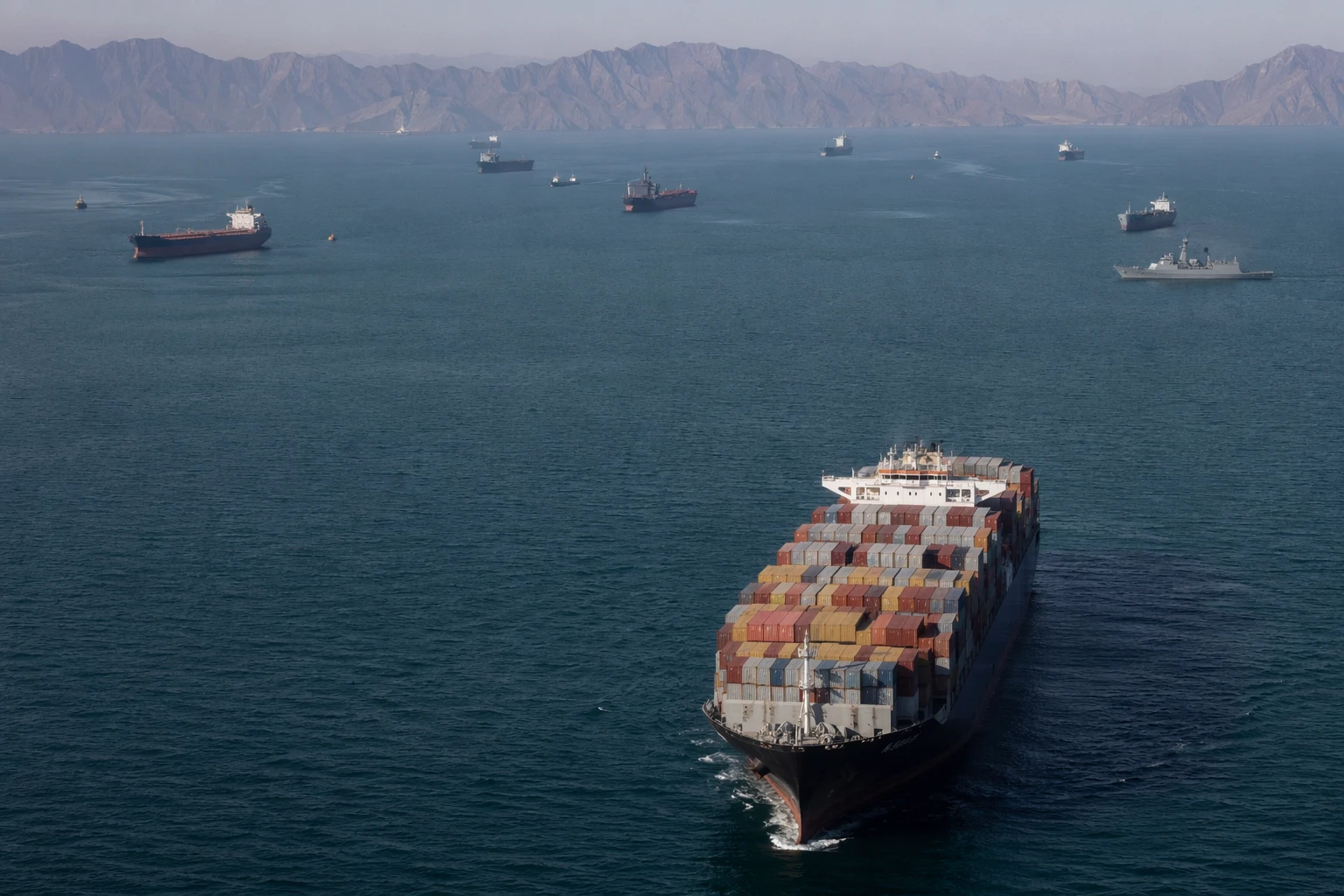
That combination would likely hit oil prices first. Traders generally react quickly to any threat to Hormuz because even the risk of interruption can tighten supply expectations before a single barrel is delayed. If tankers are forced to slow, reroute or wait for naval escorts, freight rates can jump, refineries can face higher input costs and gasoline prices can rise for American drivers within days or weeks.
The bigger strategic risk is that a blockade of Iranian ports, coasts and ships would not function like a routine fee collection. It would place U.S. forces in direct confrontation with Iranian naval and coastal defenses and invite retaliation against shipping in the Gulf. Whether Washington can sustain such a measure depends on naval enforcement, allied cooperation and how Iran responds to the renewed pressure.
For consumers, the near-term consequence would be less about the legal language of a toll and more about the market shock that follows any disruption in Hormuz. If the conflict keeps widening and shipping lanes remain under threat, the costs would show up first in energy futures and then at the pump.
Sources
- [1]npr.org
- [2]cnbc.com
- [3]news.usni.org
- [4]wbur.org
- [5]cbsnews.com
- [6]oregonlive.com
- [7]nytimes.com