Politics
Trump policies stall $83 billion in clean-energy investment, report says
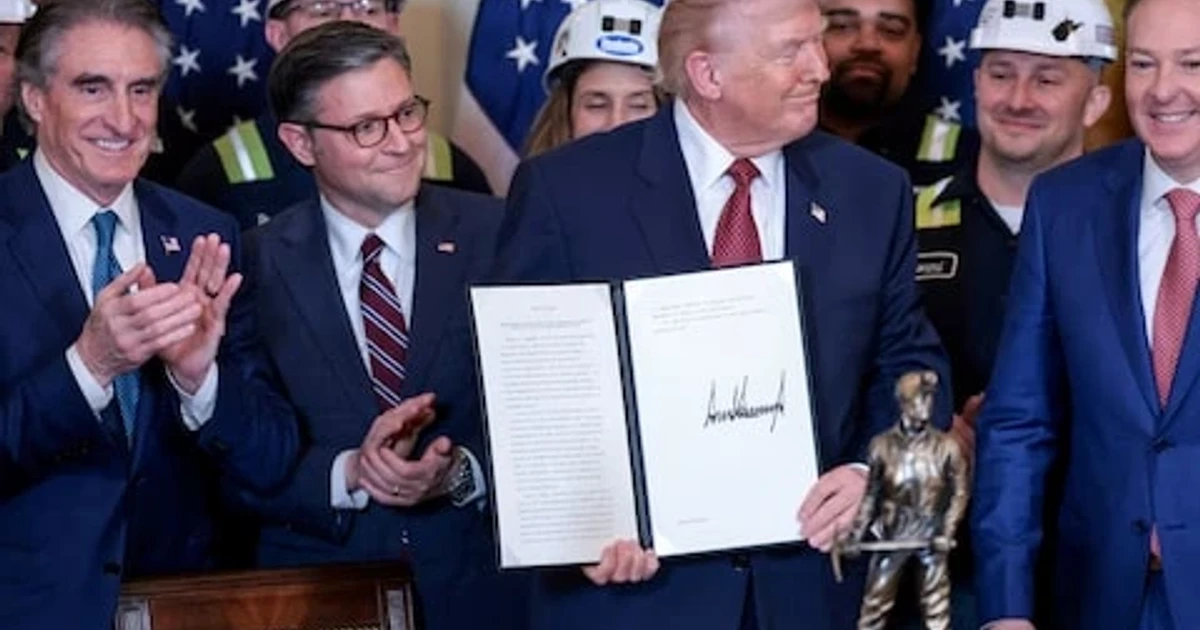
Factories, transmission lines and battery plants tied to the clean-energy buildout had already lost $82.9 billion in planned investment, according to a new BlueGreen Alliance analysis that counted 223 manufacturing and clean-energy projects stalled or canceled during Donald Trump’s second presidency.
The coalition said those projects represented 111,765 jobs and that the damage was not limited to climate policy. It hit construction crews, manufacturing lines and the local tax bases that had expected new plants and supplier networks to follow. The report cast the losses as a direct economic break from the momentum built under the Inflation Reduction Act and the Bipartisan Infrastructure Law, which had underpinned a wave of private investment in batteries, electric vehicles, renewable power and related industrial capacity.
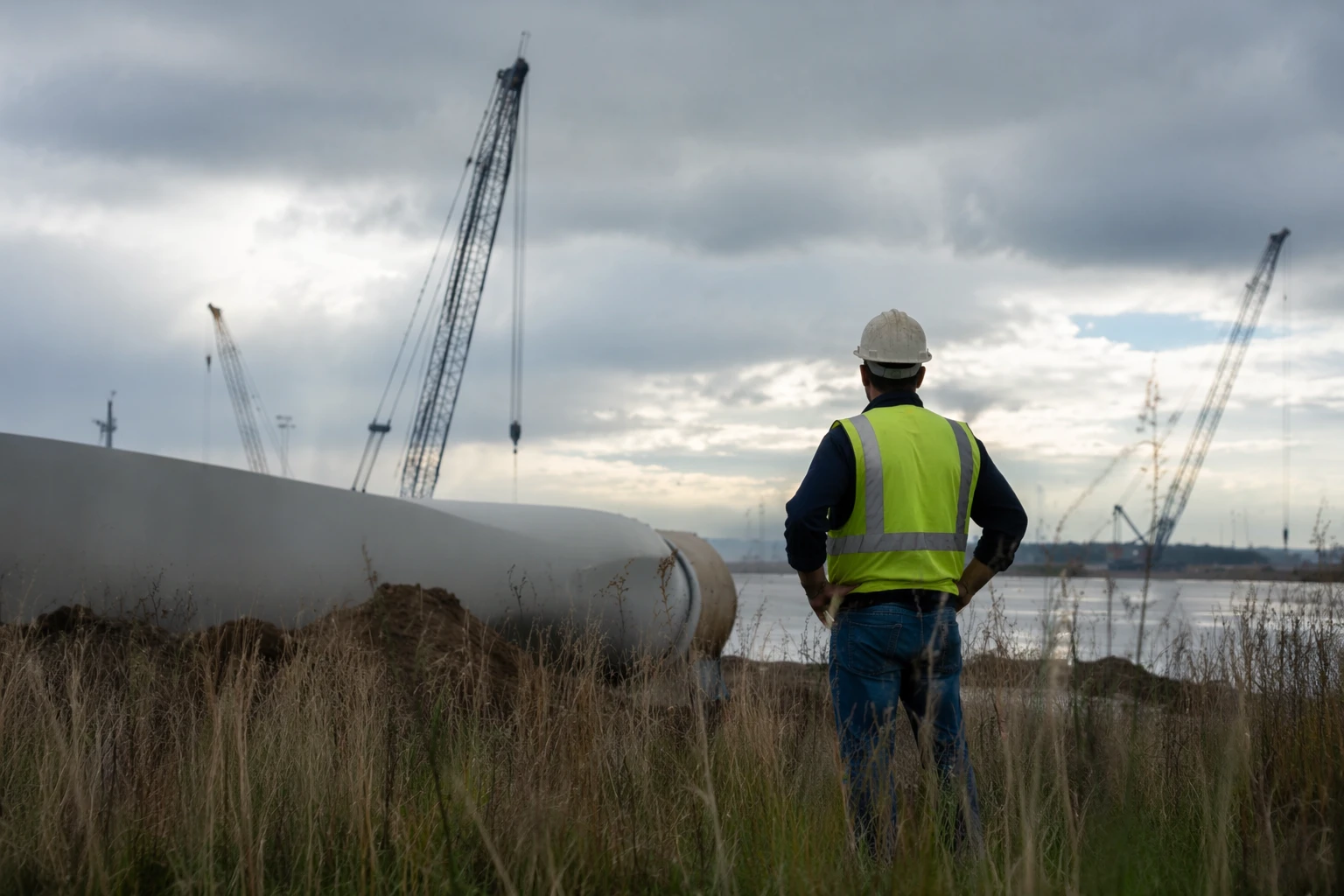
BlueGreen Alliance tied the slowdown largely to the One Big Beautiful Bill Act and to broader Trump administration actions that reduced federal support for clean energy and electric vehicles. The group said the July 2025 GOP budget bill repealed nearly $550 billion in funding that would have supported union jobs, clean energy and manufacturing investment. It also said more than 3,034 manufacturing, clean-energy and industrial sites now faced tax restrictions under the law, putting $695.2 billion in capital investment and 1,184,996 jobs at risk.
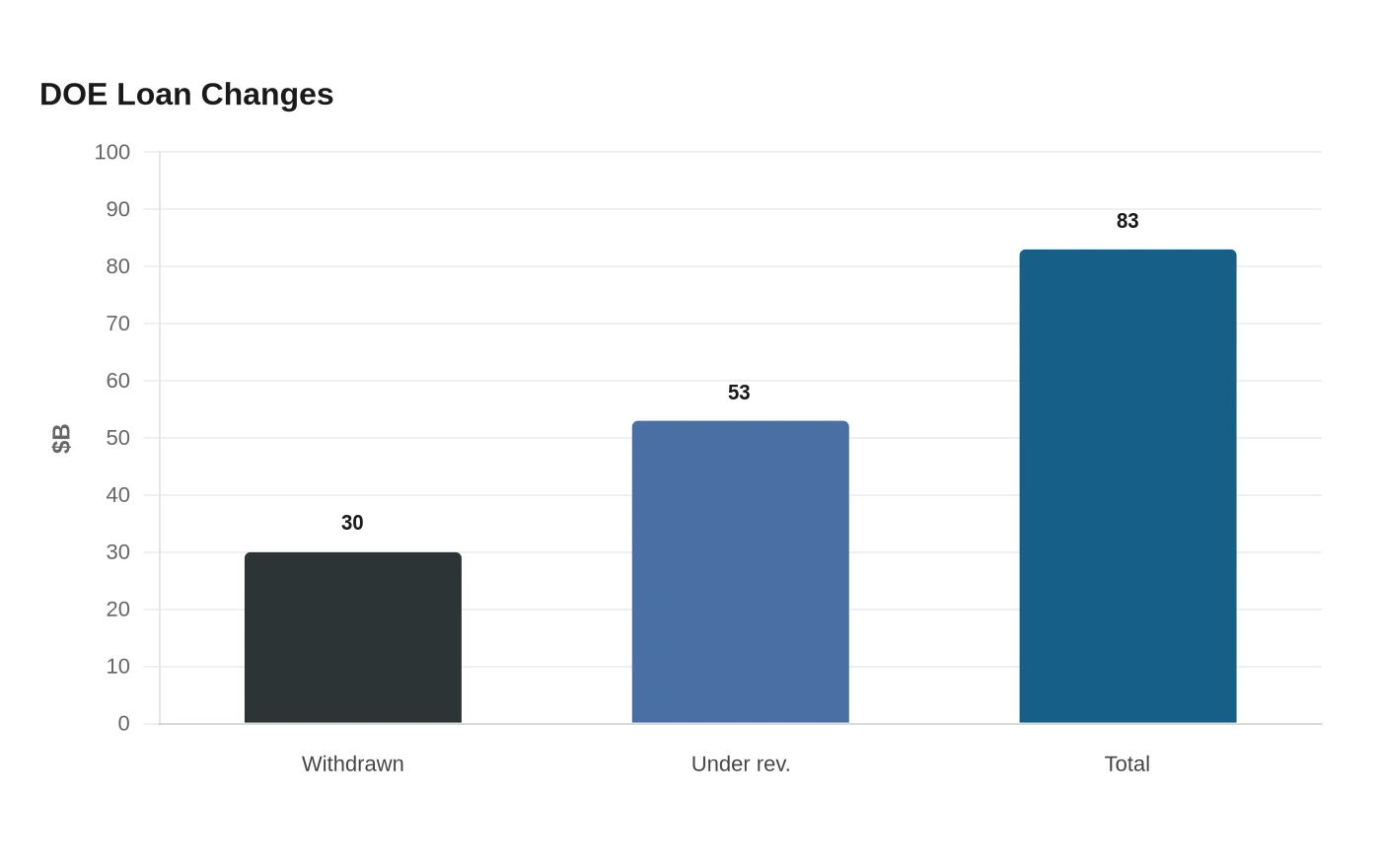
The Department of Energy added to that uncertainty on Jan. 23, 2026, when it said it was restructuring, revising or eliminating more than $83 billion in Biden-era loans and conditional commitments. The department said about $30 billion had already been withdrawn or de-obligated and another $53 billion was under revision, a signal to developers that federal backing for large-scale projects had become far less predictable.
The labor stakes were especially visible in the clean-vehicle supply chain. BlueGreen Alliance said more than 410,000 workers were currently building clean vehicles and components in the United States, a reminder that the debate reaches well beyond power plants and climate goals. For companies weighing whether to break ground, the report suggested that policy risk had become as important as equipment costs or labor availability.
BlueGreen Alliance also pointed to project-level disruptions at Grain Belt Express and Ultium Cells as examples of how delays can spread from boardrooms to job sites. In each case, the question now is whether the damage amounts to a temporary pause or a longer retreat from domestic manufacturing capacity that had been positioned to grow around the clean-energy transition.
Sources
- [1]usnews.com
- [2]bluegreenalliance.org
- [3]energy.gov
- [4]prnewswire.com