Politics
Trump policies threaten $121 billion in new U.S. solar, wind power
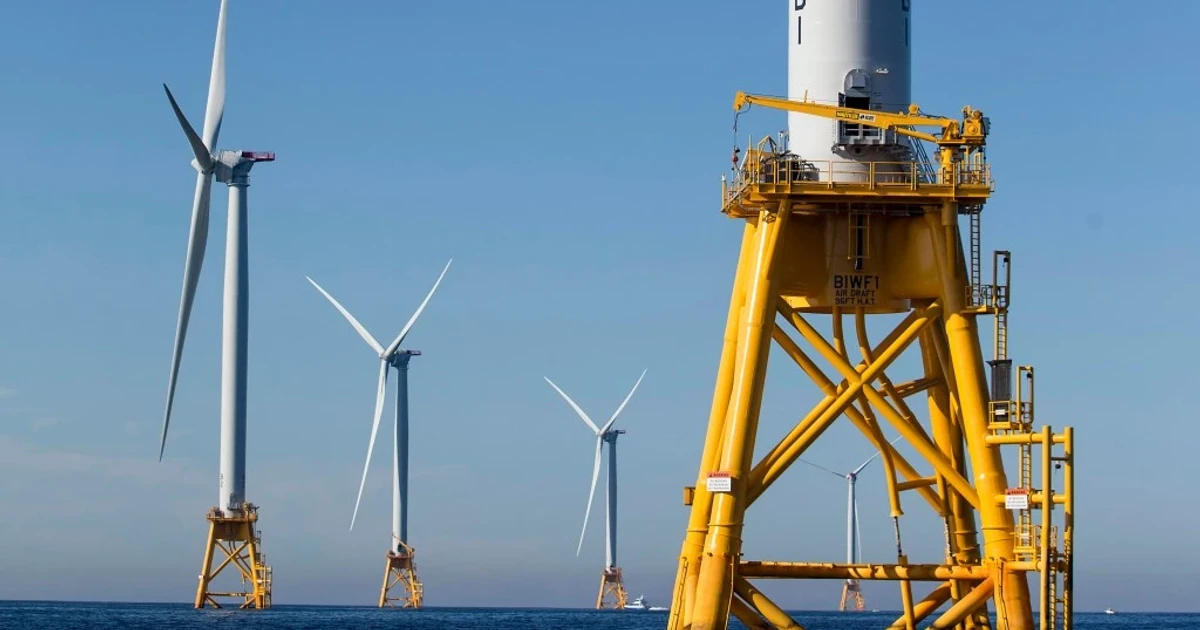
Trump administration policy changes have put more than $121 billion in early-stage U.S. solar and wind investment at risk, with 92 gigawatts of clean-energy projects now facing heightened federal scrutiny. Wood Mackenzie puts that at roughly enough electricity to power 69 million homes. Demand keeps rising as data centers, factories and summer heat push it higher.
The pressure is coming from permitting changes that reach well beyond projects on federal property. A Department of the Interior directive now requires renewable-energy permits to be signed off at every stage by senior officials. That review has stretched timelines even for private-land projects that still need federal permits for wetlands, wildlife, airspace or access roads. Wood Mackenzie puts about 32% of the U.S. early-stage renewable pipeline under extra federal scrutiny, and it estimates roughly 7 gigawatts of capacity on federal land was canceled or stalled in 2025.
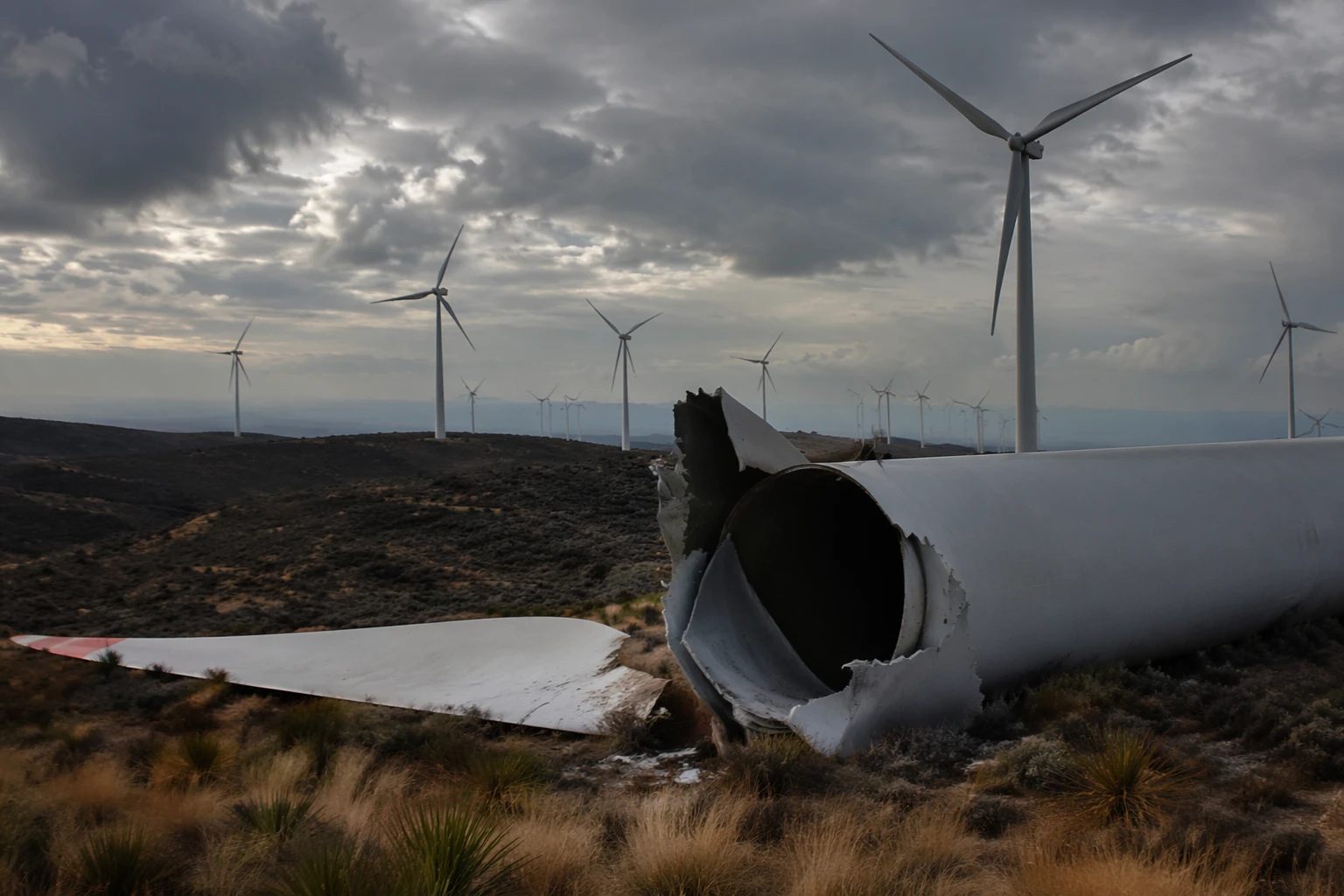
The bottlenecks are clearest in wetlands overseen by the U.S. Army Corps of Engineers and in wind projects that need airspace reviews from the Department of Defense. A July 2025 order required Interior Secretary Doug Burgum to personally approve all solar and wind projects on federal lands and waters. In Massachusetts, U.S. District Judge Denise J. Casper issued a preliminary injunction on April 21, 2026, blocking several Trump administration actions that limited solar and wind permitting on federal land after the court record cited 57.2 gigawatts of wind, solar, hybrid and offshore wind capacity canceled or pushed past 2029.
Solar Energy Industries Association data show solar and storage accounted for 82% of all new power added to the U.S. grid in the first half of 2025, and nearly 18 gigawatts of new solar capacity came online in that period. In September 2025, the group projected that Trump administration policies and the One Big Beautiful Bill Act could cut U.S. solar deployment by 44 gigawatts by 2030, or 55 gigawatts compared with pre-HR1 forecasts.
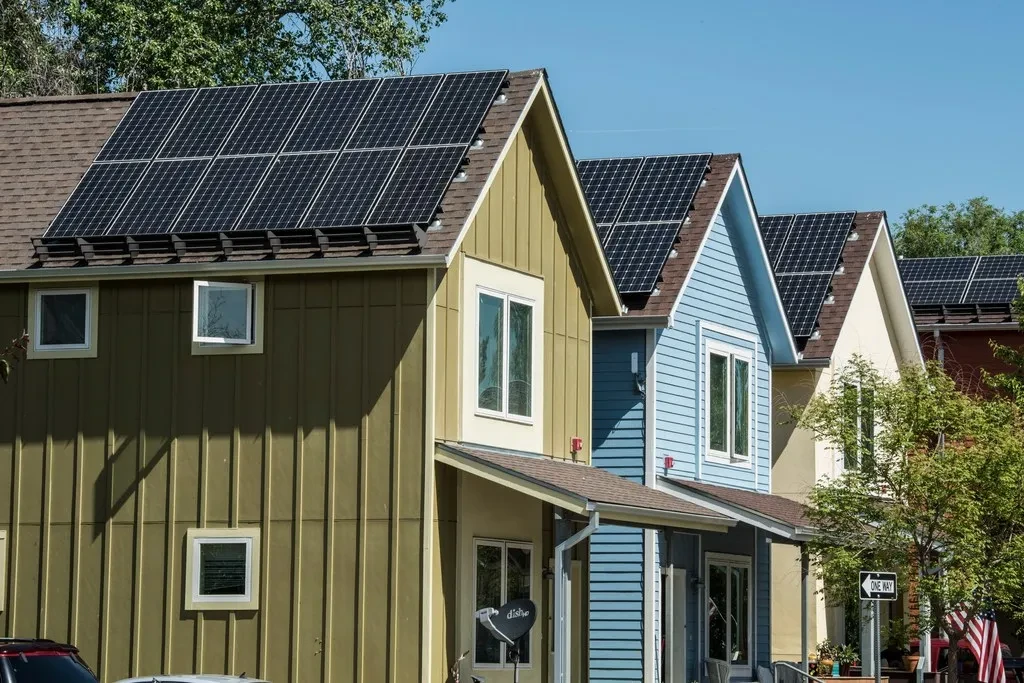
Ceres projects Treasury guidance released in August 2025 would sharply limit tax-credit qualification for solar and wind, threatening the cheapest and fastest-to-build sources of new electricity and increasing the risk of higher prices, worse outage exposure and lost jobs. The tax bill signed by President Trump on July 4, 2025, requires solar and wind projects to begin construction by July 4, 2026 or be placed in service by the end of 2027 to qualify for federal incentives.
Sources
- [1]techcrunch.com
- [2]money.usnews.com
- [3]seia.org
- [4]ceres.org
- [5]utilitydive.com
- [6]usnews.com