World
Trump praises Russia, China leaders as US-Iran Hormuz deal emerges
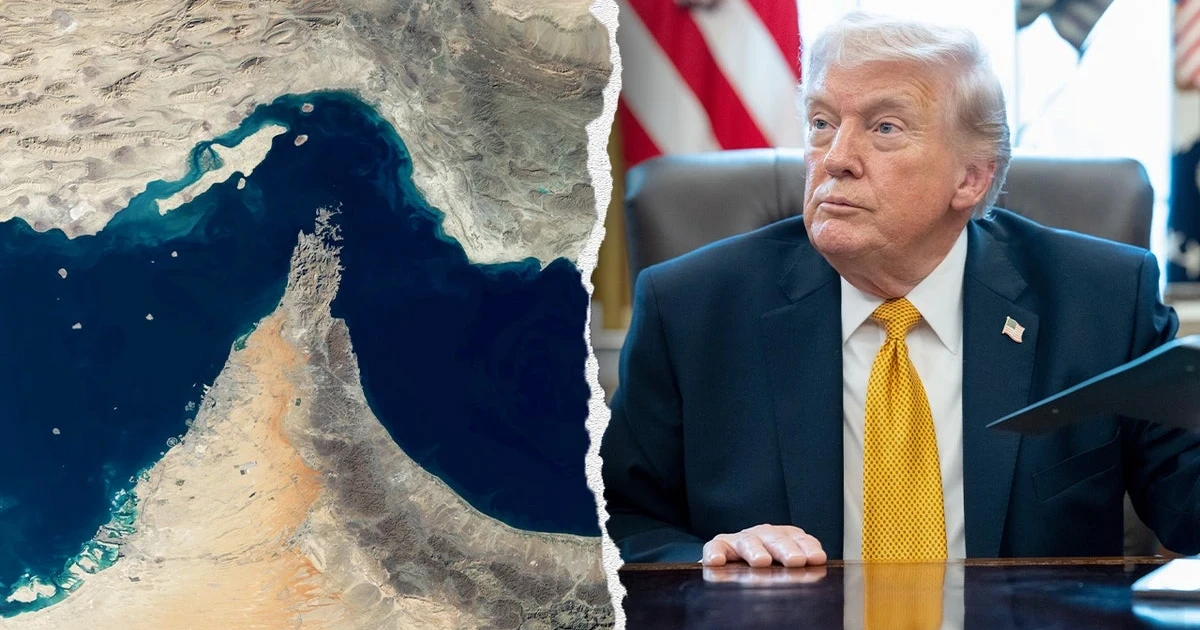
Trump’s claim that the Strait of Hormuz would reopen on a “toll free” basis lands as a test of presidential credibility as much as diplomacy. In the same stretch of remarks, Trump praised Russia’s and China’s leaders, called Benjamin Netanyahu “a very difficult guy,” and said the U.S. and Iran had reached a deal that was “now complete,” with the United States naval blockade to be lifted immediately.
The problem is that Hormuz is not an ordinary shipping lane. At its narrowest point, the strait is only 29 nautical miles wide, with shipping channels about 2 miles wide in each direction. It is one of the world’s most consequential energy chokepoints, carrying about 20 million barrels per day of oil and oil products in 2025, roughly 25% of global seaborne oil trade. About one-fifth of global LNG trade also transited the strait in 2024, and the waterway remains the main export route for oil from Saudi Arabia, the United Arab Emirates, Kuwait, Qatar, Iraq, Bahrain and Iran.
That scale is why any promise to make the strait permanently “toll free” raises a blunt question: who would enforce it? The International Energy Agency has said a closure would have major consequences for global energy markets, especially because pipeline alternatives are limited. Even before this latest deal framework surfaced, Brent crude climbed from $69 a barrel on June 12 to $74 on June 13 as regional tensions flared, underscoring how quickly the market prices in risk around Hormuz.
The emerging U.S.-Iran memorandum of understanding was being described as broader than shipping alone. Reporting said it would also address Iran’s nuclear work, oil-sanctions waivers and the release of frozen assets, with a signing ceremony reportedly planned for Friday, June 19, 2026, in Switzerland. Iranian officials said the understanding had been finalized, while Pakistani Prime Minister Shehbaz Sharif said the peace deal had been reached after intensive talks and that military operations would be terminated on all fronts, including in Lebanon.
Netanyahu was not a party to the emerging agreement, but he had spoken with Trump and welcomed commitments that a final accord would include removal of enriched material, dismantling of enrichment infrastructure, limits on missile production and an end to Iran’s support for regional proxies. Reuters-based reporting said the text was expected to leave some disputes for later talks rather than settle every issue at once.
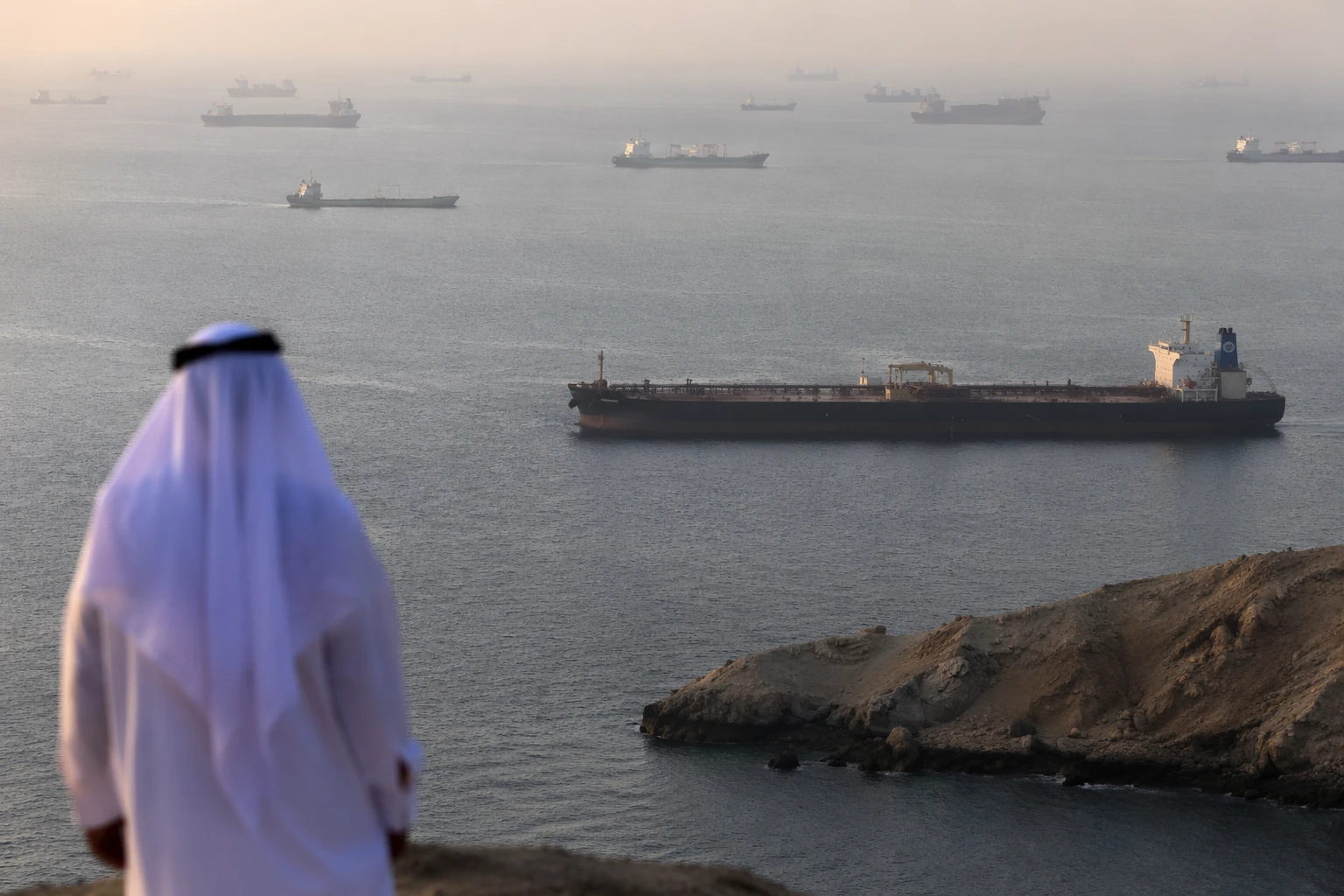
That makes the Hormuz pledge look like the sharp edge of a much larger political bargain. More than 200 commercial vessels had still safely traveled through the strait even as traffic remained below prewar levels, but the passage of tankers through a 29-mile choke point is not the same thing as proving a durable peace. The market will measure this deal not by the wording of a post, but by whether ships keep moving, sanctions ease and Tehran actually keeps the waterway open.
Sources
- [1]nytimes.com
- [2]iea.org
- [3]eia.gov
- [4]timesofisrael.com
- [5]rferl.org
- [6]cnbc.com
- [7]abcnews.com