US News
Trump Predicts Iran War May Last Weeks, Warns of Longer Conflict
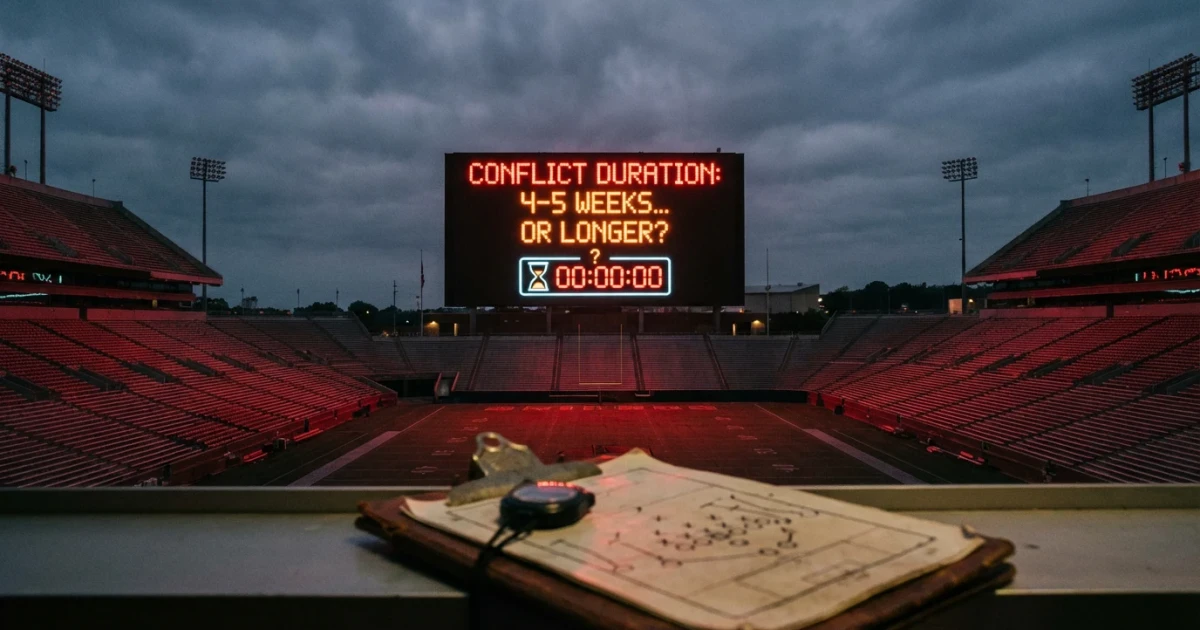
Donald Trump stated this week that the ongoing war with Iran could last for several weeks, with an estimated timeline of four to five weeks. However, he cautioned that the conflict could "go far longer" depending on circumstances, underscoring uncertainty about its end date and raising questions about the potential scope of U.S. military engagement.
Trump Offers Timeline, Leaves Door Open for Prolonged Conflict
In recent public remarks, as reported by both PBS and Al Jazeera, Trump addressed the duration of U.S. hostilities with Iran. He projected that the war could be resolved within a matter of weeks, specifically citing a four to five week period. Nevertheless, he added that the fighting could "go far longer," highlighting the unpredictability of military operations in the region.
- According to PBS, Trump told reporters the war "could last weeks"—a statement echoed in most major news coverage.
- Al Jazeera added further detail, quoting Trump as projecting a "4 to 5 week" duration but also warning the conflict could "go far longer." This caveat has fueled debate among analysts and policymakers about the U.S. exit strategy and the potential for escalation.
Context: Uncertainty Surrounds U.S. Strategy in Iran
This is not the first time a U.S. leader has offered a defined timeline for military action. However, analysts note that war projections can shift quickly based on battlefield developments. The possibility of a longer conflict, as warned by Trump, remains a critical concern given Iran’s substantial military capabilities and the complexity of the region’s security environment.
Recent years have seen Iran strengthen its armed forces and regional influence. According to the Global Firepower 2024 index, Iran maintains one of the largest militaries in the Middle East, with significant missile forces, air defenses, and proxy networks. These assets could complicate U.S. military objectives and contribute to a prolonged engagement.
Potential Risks of a Prolonged Conflict
Both U.S. and international observers have pointed to the risks associated with an extended war. The United States maintains a significant military presence in the Middle East, and any escalation with Iran could draw in regional allies and adversaries, further destabilizing the area.
- Iran’s use of asymmetrical tactics, including proxy groups and cyber operations, is well documented in U.S. State Department reports.
- Military experts, such as those at the Brookings Institution, have noted that Iran’s strategy often relies on attrition and indirect confrontation rather than conventional battles, potentially extending the timeline of any conflict.
Reaction and Analysis
Trump’s estimates have sparked discussion among policymakers and the public. While some view his four to five week projection as optimistic, others interpret his warning of a “far longer” war as a realistic assessment of the uncertainties involved.
Historically, U.S. military interventions have often lasted longer than initially anticipated, as seen in Iraq and Afghanistan. The current situation in Iran, with its complex military networks and regional ties, presents similar challenges.
Looking Ahead
As the conflict unfolds, the duration of the war with Iran remains uncertain, despite Trump’s initial projections. Military analysts, as well as officials from both the U.S. and allied nations, are watching closely for signs of escalation or de-escalation on the ground.
The coming weeks will be critical in determining whether the conflict aligns with Trump’s forecast or becomes a more protracted engagement, with significant implications for regional stability and U.S. foreign policy.