Politics
Trump presses defense chiefs to boost weapons production
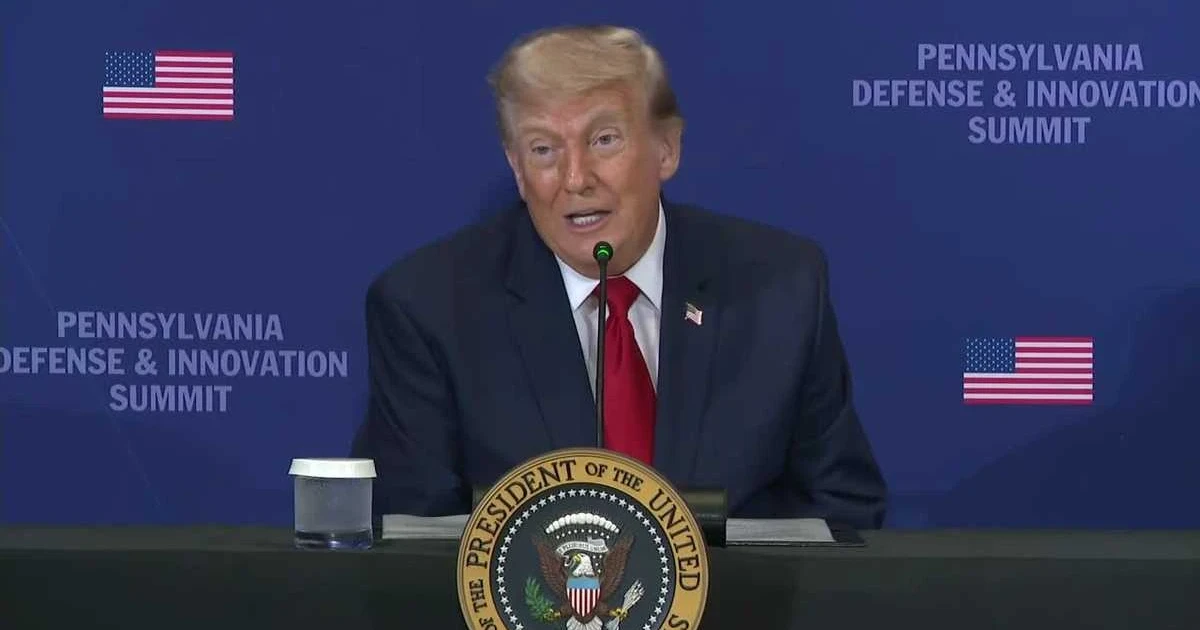
Donald Trump pressed defense executives to move faster on weapons production at Dave McCormick’s Defense and Innovation Summit at the U.S. Army War College in Carlisle, Pennsylvania, telling armsmakers, “We have the best quality in the world, but we need a little more speed.”
The summit brought together senior military leaders, defense contractors, investors and technology executives and included more than 30 investments and partnerships aimed at expanding Pennsylvania’s defense industrial base, emerging technology sector and research workforce. The largest announced commitments included a $2.5 billion shipbuilding agreement between Rhoads Industries and General Dynamics’ Electric Boat and $1.5 billion in Hanwha ship orders, alongside expansions in artificial intelligence, robotics, space and advanced manufacturing.
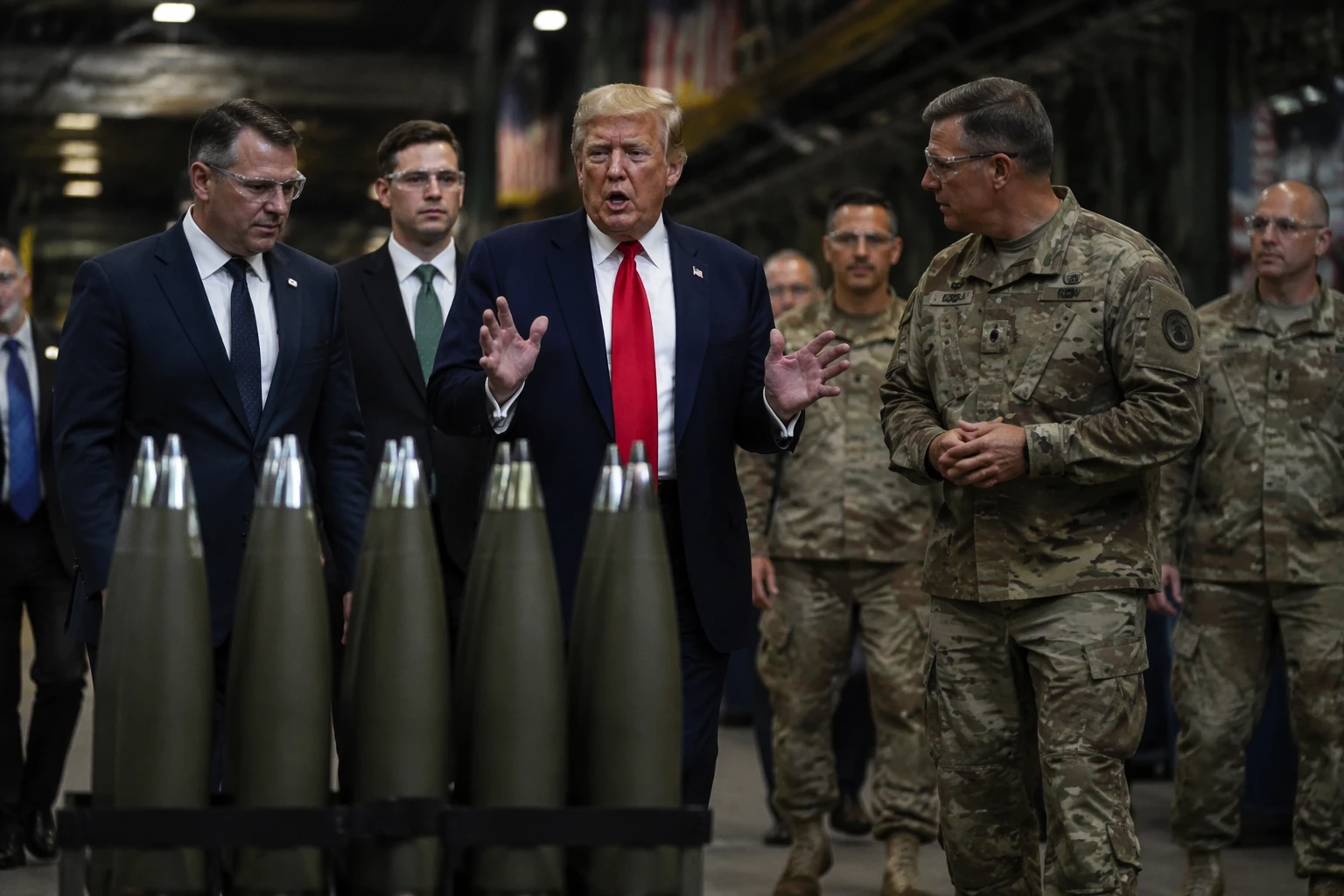
At a June 24 White House meeting with munitions makers after military operations in Iran and other conflicts had drawn down U.S. stockpiles, Deputy Defense Secretary Steve Feinberg pushed back on industry claims about production progress, and the tone later shifted toward cooperation as the administration sought to get on a war footing and speed production. A White House meeting in March included Defense Secretary Pete Hegseth and defense industry leaders.
Pentagon negotiators have tentative agreements with Lockheed Martin to triple production of Patriot interceptors and quadruple THAAD interceptor output. Separate multiyear framework agreements with RTX are intended to increase production of Tomahawk cruise missiles and AMRAAM air-to-air missiles. Those deals still need to be converted into contracts and funded by Congress before companies can commit heavily to new components, labor and factory capacity.

On January 7, Trump issued an executive order titled Prioritizing the Warfighter in Defense Contracting, saying underperforming contractors should not be allowed to prioritize stock buybacks and dividends over production capacity, innovation and on-time delivery. On June 11, he invoked the Defense Production Act to address munitions supply-chain constraints, identifying bottlenecks in solid rocket motors, igniters and guidance systems and authorizing voluntary industry agreements to help expand output.

A Center for Strategic and International Studies study published July 13 found roughly 10,000 new firms had entered the defense market in the past two years, nontraditional companies received more than $120 billion in contract obligations in fiscal 2025, and munitions contract obligations have risen 330% since fiscal 2010. It also found the Pentagon’s 2027 budget request for munitions allocates 49% to low-cost munitions, rising to 70% by 2031.