Business
Trump Pressures Fed Chair Powell to Step Down
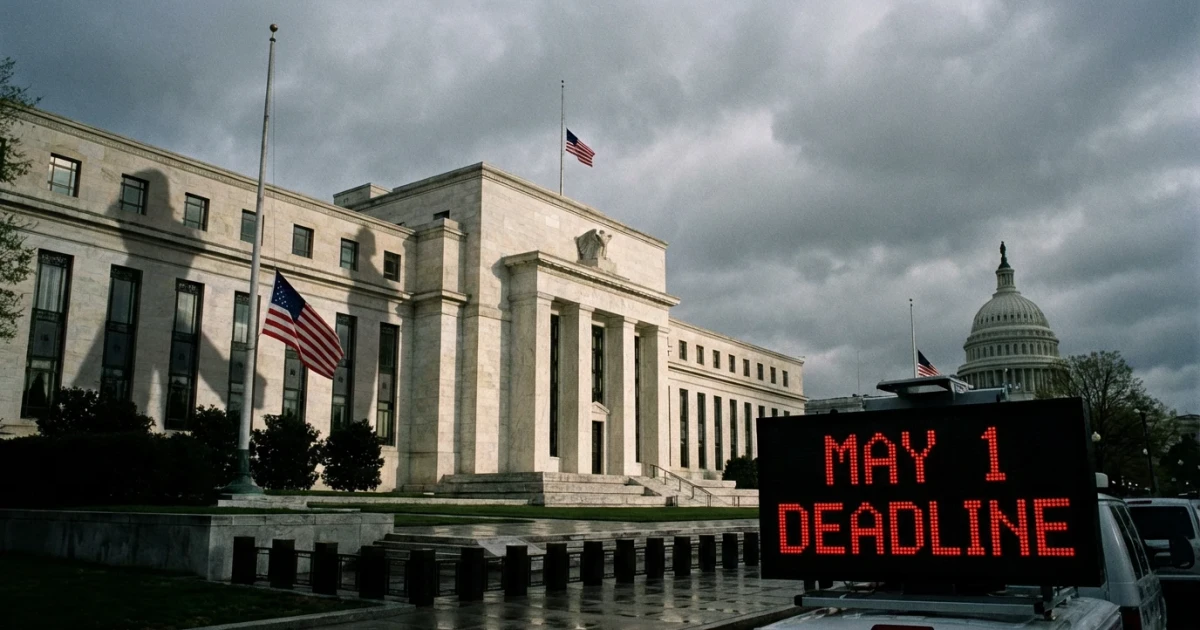
Donald Trump has publicly threatened to dismiss Federal Reserve Chair Jerome Powell if he does not leave his post in May, intensifying the debate over the independence of the U.S. central bank. The warning, which Trump delivered in recent remarks covered by major news outlets including BBC and CNN, draws fresh scrutiny to the legal and economic implications of such a move.
Trump’s Warning and Its Context
Trump’s statements mark the most direct confrontation between a president and the Federal Reserve in decades. According to the BBC, Trump has explicitly said he will fire Powell should he not step down by May. This echoes reporting from CNN, which also notes Trump’s intention to remove Powell if he continues to serve as Fed chair after next month.
The comments come during a period of economic uncertainty, with inflation and monetary policy dominating headlines. Powell, who began his tenure as chair in 2018, has overseen the Fed through the pandemic recovery, aggressive rate hikes, and ongoing debates about the appropriate path for monetary policy in the face of persistent inflationary pressures.
Legal Boundaries on Removing a Fed Chair
The threat to dismiss Powell raises questions about the president’s authority to remove the head of the central bank. Under 12 U.S. Code § 241, members of the Federal Reserve Board, including the chair, are appointed for fixed terms. The statute does not explicitly grant the president power to remove the Fed chair at will. Analysts at the Congressional Research Service note that while the president appoints the chair, removal is generally limited to cause, such as malfeasance or neglect of duty, not for policy disagreements.
- The Fed chair serves a four-year term, which may not align with the president’s term.
- Board members, including the chair, are subject to staggered 14-year terms for continuity and independence.
- Historically, no Fed chair has been fired before their term expired.
This framework is designed to protect the Federal Reserve’s independence from political interference, allowing it to focus on its dual mandate of stable prices and maximum employment.
Implications for Markets and Policy
Trump’s threat has already stirred uncertainty among investors and economists. Central bank independence is widely seen as a cornerstone of financial stability. A forced removal of Powell could undermine confidence in the Fed’s ability to act free from political pressure, potentially affecting U.S. borrowing costs and market expectations.
- The Federal Reserve last left interest rates unchanged at its May 2024 meeting, signaling a cautious approach amid inflation risks.
- Market analysts warn that any attempt to dismiss Powell could prompt volatility in Treasury yields and the dollar.
While Trump’s criticisms of Powell are not new—he previously expressed frustration over Fed rate hikes during his first term—the explicit threat to fire the chair is unprecedented in recent history.
What Happens Next?
With Powell’s term set to continue beyond the threatened date, the situation sets up a potential legal and political showdown. If Trump follows through, the issue could quickly move to the courts, where the legal basis for removing a Fed chair would be tested for the first time.
Observers point out that any such move would also have global ramifications, given the Federal Reserve’s central role in the international financial system. Markets and policymakers worldwide are watching closely as the drama unfolds.
Conclusion
Trump’s public pressure on Jerome Powell to resign underscores ongoing tensions between the White House and the Federal Reserve. With legal precedent unclear and the Fed’s independence at stake, the coming weeks will be critical for both U.S. monetary policy and the broader financial system. For readers seeking further details on the Fed’s structure and the chair’s authority, the FOMC meeting schedule and annual reports offer additional background and data on recent policy decisions.