World
Trump Promises Swift Action to Reopen Strait of Hormuz
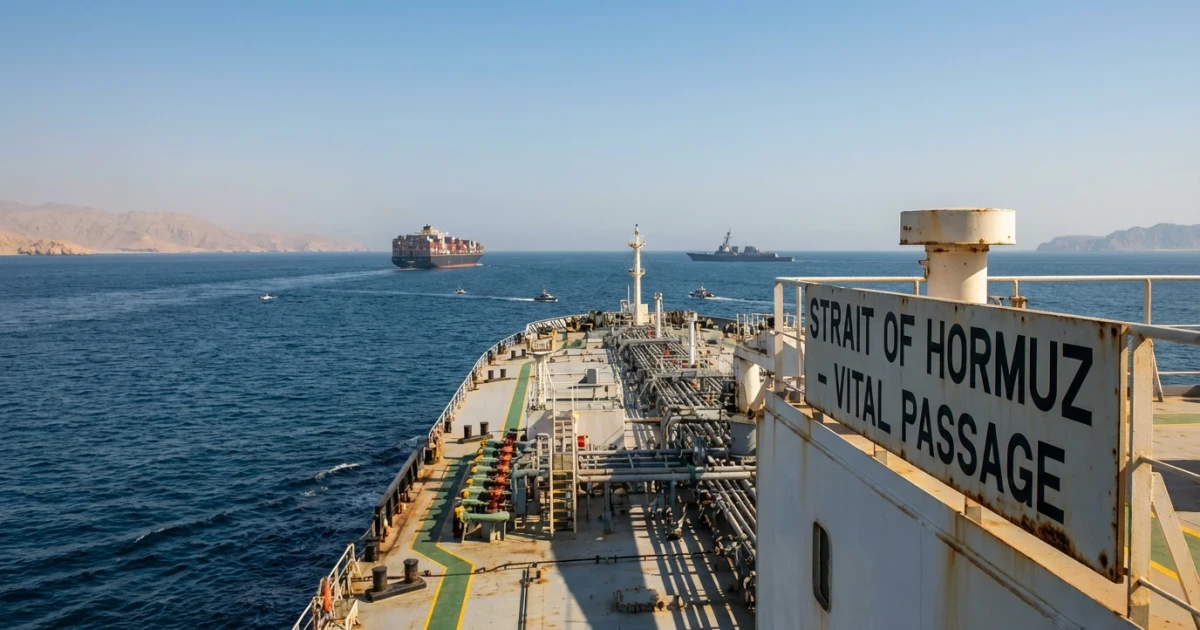
Former President Donald Trump announced that the United States would have the Strait of Hormuz "open fairly soon," signaling Washington’s intent to restore security and stability to one of the world’s most critical oil shipping lanes.
Geopolitical Tensions Disrupt a Vital Chokepoint
The Strait of Hormuz is a narrow waterway linking the Persian Gulf with the Gulf of Oman and the Arabian Sea. It is crucial to global energy markets, with about 20% of global oil trade — over 17 million barrels per day — passing through daily, according to the International Energy Agency. Disruptions in this region can prompt sharp spikes in Brent crude oil prices and impact energy supplies from the Middle East to Asia, Europe, and the Americas.
- The U.S. imports significant volumes of crude oil from the Persian Gulf, making the strait strategically important for American energy security.
- Global maritime transport data from UNCTAD highlights the strait’s role as a transit point for both oil tankers and liquefied natural gas vessels.
- Live traffic reports from MarineTraffic show that hundreds of ships pass through the channel each month.
Trump’s Statement and Its Implications
The Economic Times reported that Trump, addressing concerns over the recent disruptions, said the US would have the Strait of Hormuz "open fairly soon." While he did not elaborate on the specifics or a timeline, his remarks underline the strategic importance of the area and the expectation of a coordinated response by the US military and diplomatic corps.
The statement comes as recent tensions in the region have led to increased risks for commercial shipping, raising fears in energy markets and prompting calls for international intervention to safeguard the waterway.
Energy Markets React to Uncertainty
Historically, threats to navigation in the Strait of Hormuz have led to volatility in global oil prices. For example, the Brent crude oil benchmark has seen price surges during past escalations, reflecting the market’s sensitivity to events in the Persian Gulf. With the US vowing action, analysts will be watching for fluctuations in supply, shipping insurance costs, and any shifts in global oil trade flows.
Strategic and Economic Significance
According to the U.S. Energy Information Administration, the Persian Gulf region accounts for a significant share of the world’s oil production and exports. The strategic importance of the Strait of Hormuz means any extended closure could have worldwide economic repercussions, underscoring why US leaders are eager to ensure its security.
Looking Ahead
While Trump’s assurance of reopening the strait offers some hope to energy markets and shipping interests, the timeline and methods for restoring full security remain unclear. Stakeholders across the globe will be closely monitoring developments in the region, as the Strait of Hormuz continues to be a focal point for both geopolitics and the international economy.