Politics
Trump promotes Freedom Fuel gas stations selling below cost
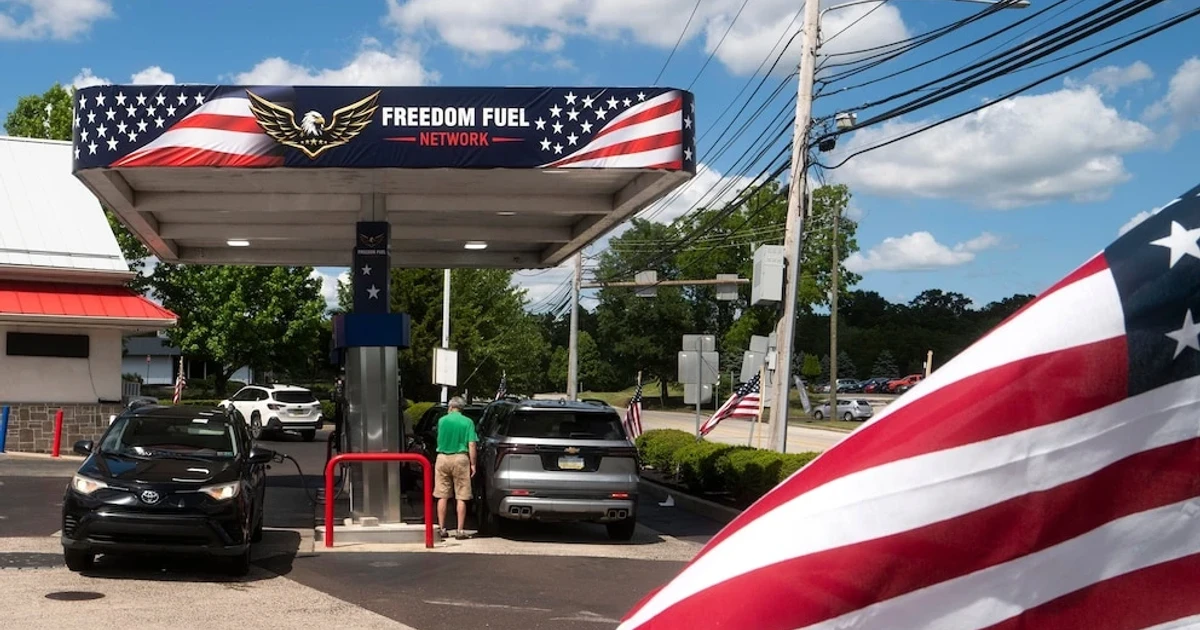
The White House said Freedom Fuel had launched 25 gas stations and was selling regular gasoline for $3.47 a gallon, a price pitched as a symbol of Donald Trump’s standing as the 47th president. Most of the locations were in Pennsylvania and New Jersey, with the first featured site in the Philadelphia area and one early station shown in Dresher, in Upper Dublin Township.
The pricing has the look of a political marker, but the economics point in a harsher direction. GasBuddy’s Patrick De Haan said the $3.47 figure was below both market and wholesale costs and would not hold without some form of subsidy. ABC News calculated that, based on industry data, keeping fuel at that level could wipe out profits and cost the 25 participating stations more than a quarter million dollars a month in aggregate.
That arithmetic is what makes Freedom Fuel look less like a normal retail rollout than a financial mystery. The White House did not identify the company behind the network, and a government spokesperson said Freedom Fuel was a private company, not a federal program. De Haan said the Freedom Fuel Network was registered on June 23, 2026, to Corporation Trust Company, a registered agent that has previously been used by Trump-related entities.
The brand itself leans hard into the political message. Publicly posted images showed stations wrapped in American flags and Freedom Fuel signage, turning the pump price into a visible loyalty test as much as a retail offer. The symbolism is reinforced by Trump’s own long-running promises to bring gasoline prices down, including repeated claims that he would push them below $2 a gallon.

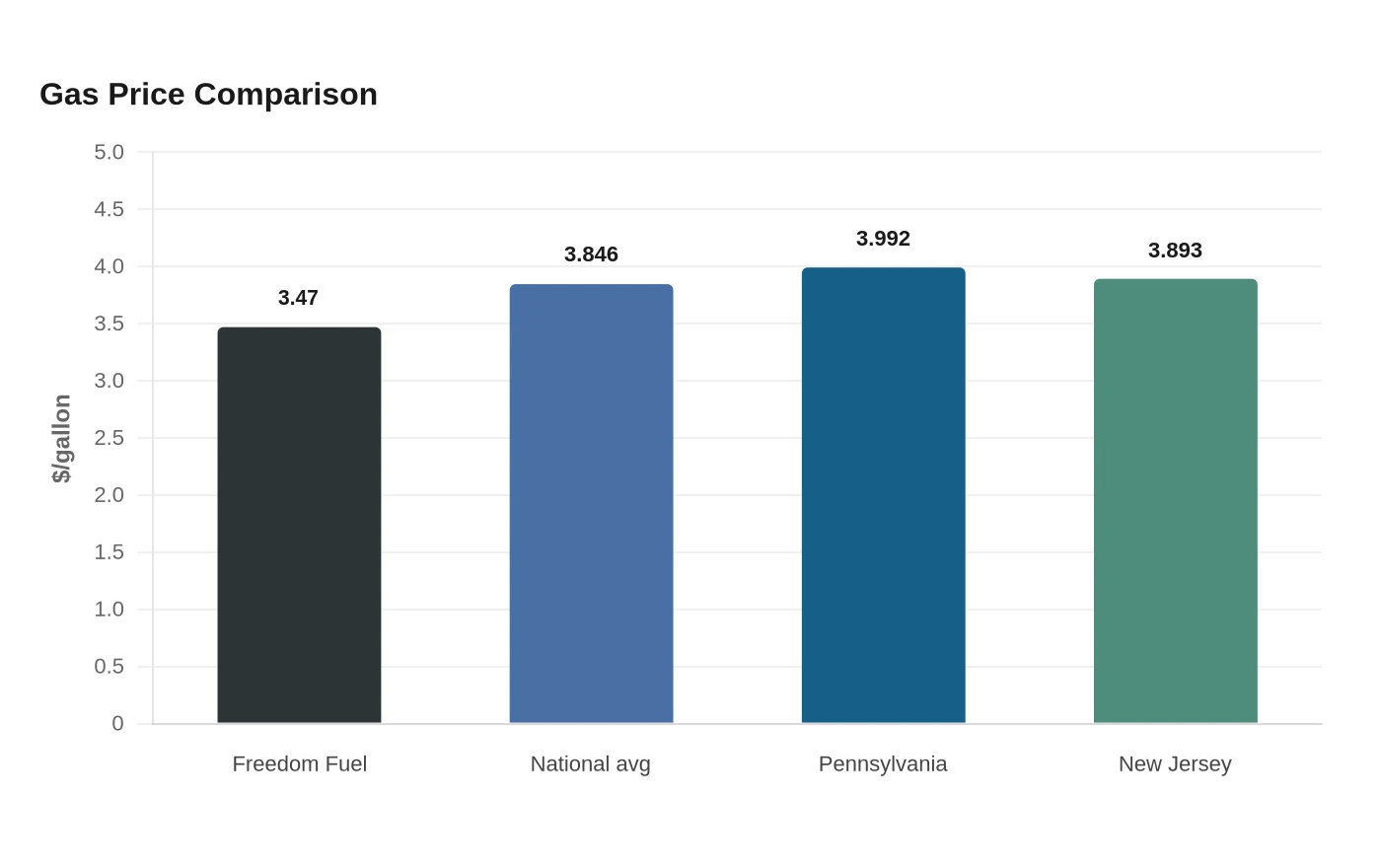
The gap between the Freedom Fuel price and the broader market underscores how aggressive the discount is. AAA listed the national average regular gasoline price at $3.846 on July 9, 2026. Pennsylvania’s average was $3.992, and New Jersey’s was $3.893, putting Freedom Fuel below both state averages and the national benchmark.
That spread leaves the central question unresolved: whether the stations are being temporarily subsidized, built as a branding exercise, or operating on a business model the public has not been shown. For now, the rollout is less a conventional gas-price story than a test of who is paying the difference at the pump.
Sources
- [1]abcnews.com
- [2]abcnews.go.com
- [3]gasprices.aaa.com
- [4]usatoday.com
- [5]msn.com
- [6]forbes.com