Politics
Trump Proposes Boost to Defense Spending, Domestic Cuts
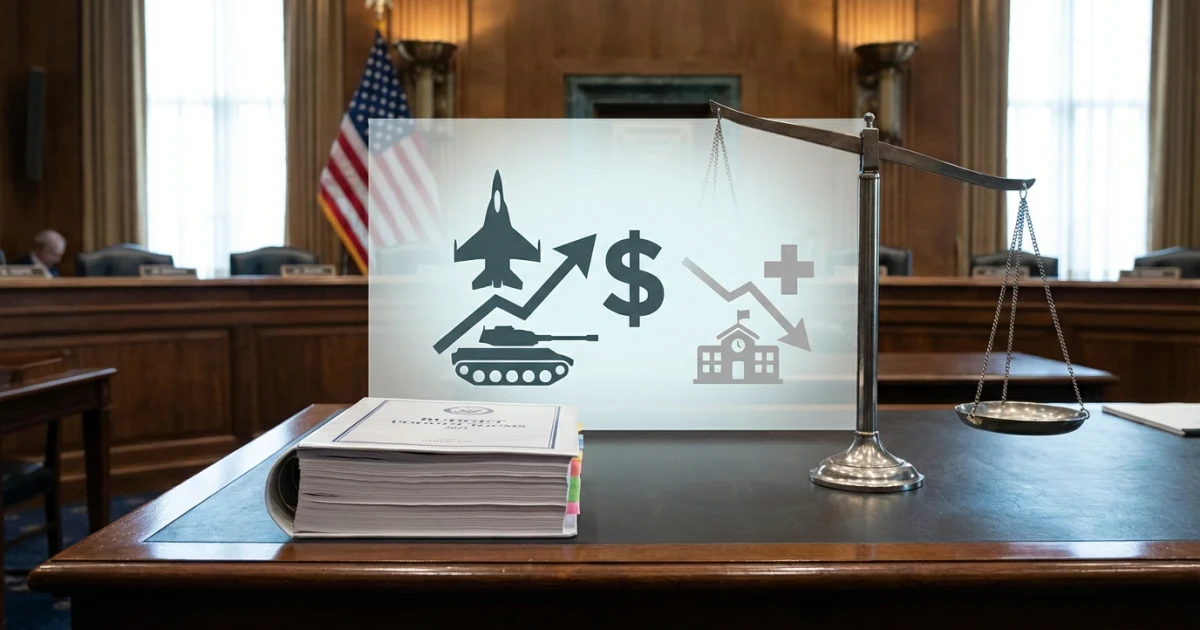
Donald Trump has called for a substantial increase in U.S. defense spending, paired with sharp cuts to domestic programs, reigniting a longstanding debate over federal budget priorities and national security. The proposal, outlined in recent statements and widely covered by PBS and other outlets, has garnered attention from policymakers, economists, and advocacy groups as Congress begins deliberations on the next fiscal year’s budget.
Defense Spending at the Forefront
Trump’s call comes amid ongoing discussions about the role of military investment in ensuring U.S. security and maintaining the country’s global standing. According to historical data from the Congressional Budget Office (CBO), defense spending has consistently comprised one of the largest segments of discretionary federal outlays, with the U.S. already leading the world in military expenditures. Recent figures from Statista show that U.S. defense spending reached approximately $816.7 billion in 2024, significantly outpacing other nations.
- Trump’s proposal would build on this trend, aiming for an unspecified but "major" increase, according to PBS coverage.
- The Government Accountability Office’s review of the 2024 Department of Defense budget highlights that recent increases have focused on modernization, personnel, and readiness, areas Trump often references in his rhetoric.
Domestic Spending in the Crosshairs
In tandem with his push for more military funding, Trump has advocated for cuts to domestic spending—a category that includes healthcare, education, social services, and infrastructure. The Congressional Research Service notes that discretionary domestic spending has been relatively flat or declining as a share of the federal budget in recent years, even as mandatory spending on programs like Social Security and Medicare continues to rise.
- Trump’s approach, as described by PBS, would deepen this trend, potentially affecting a broad range of programs that impact millions of Americans.
- Previous budget proposals with similar priorities have encountered resistance from both parties, particularly when they target popular or widely-used programs.
Budgetary Implications and Political Debate
Analysts point out that Trump’s call for increased defense spending and reduced domestic investment is likely to intensify the ongoing debate in Congress over federal budget allocations. As defense and security-related expenditures already consume a substantial portion of discretionary spending, further increases may require difficult trade-offs elsewhere or even result in higher deficits if offsetting cuts cannot be agreed upon.
According to the CBO’s analysis of the National Defense Authorization Act, each incremental rise in defense funding has long-term implications for the national debt and the government’s ability to respond to domestic needs and emergencies. Critics of Trump’s proposal caution that reducing domestic spending could undermine economic growth and social stability, while supporters argue that strengthening the military is necessary for deterrence and global leadership.
What’s Next?
With the budget process underway, Congress will soon weigh Trump’s recommendations as part of a broader debate over national priorities. Lawmakers are expected to scrutinize the specifics of any proposed increases or cuts, balancing fiscal realities with strategic and humanitarian considerations.
As the debate unfolds, Americans can track the details through resources such as the USAspending.gov National Defense Budget Explorer and the CBO’s primer on U.S. military force structure, which offer in-depth data on where taxpayer dollars are allocated and the potential impact of shifting priorities.
In summary, Trump’s call for a major defense buildup at the expense of domestic programs signals a renewed debate over how the U.S. should allocate its resources in an era of geopolitical uncertainty and fiscal constraint. The coming months will reveal whether Congress aligns with this vision or seeks a different balance between security and domestic investment.