US News
Trump Proposes Temporary Suspension of Federal Gas Tax
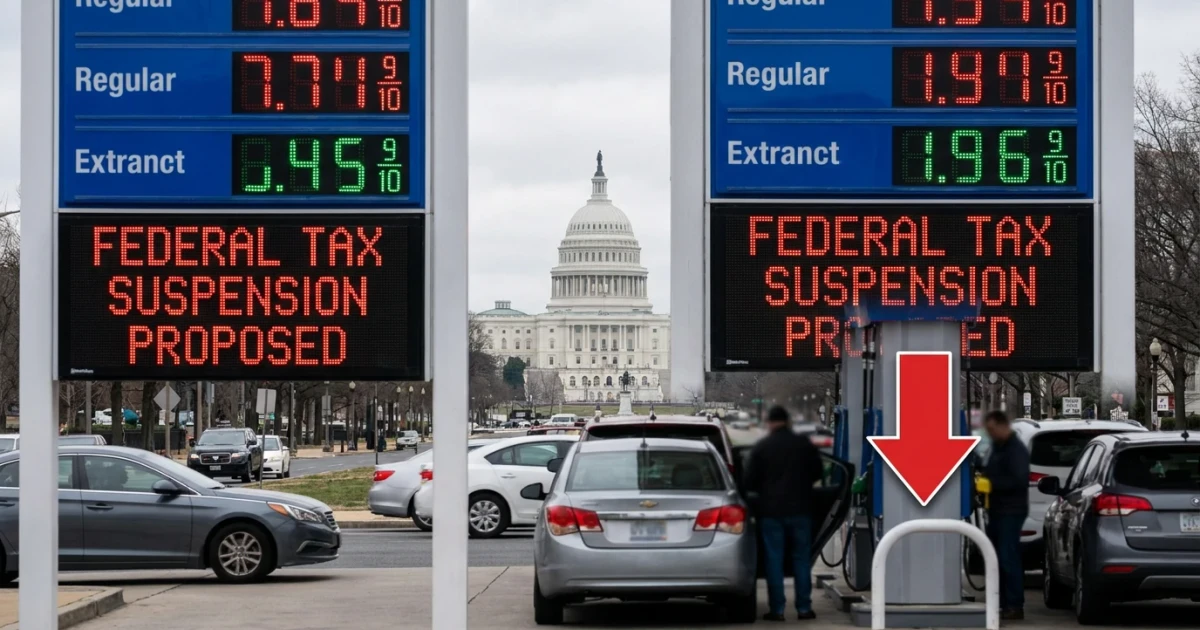
Donald Trump announced his intention to seek a suspension of the federal gasoline tax if elected, pledging to provide Americans with relief from high fuel costs. The proposal, reported by CBS News, comes amid ongoing debate over ways to address inflation and ease the financial burden on U.S. drivers. However, experts and coverage from outlets like AP News note that the president cannot unilaterally suspend the federal gas tax without congressional approval, underscoring the complexities of such a move.
What Is the Federal Gasoline Tax?
The federal gasoline tax is a per-gallon excise tax levied on fuel purchases across the country. Currently, the tax stands at 18.4 cents per gallon for gasoline and 24.4 cents per gallon for diesel, as listed in the Federal Highway Administration's official records and the IRS fuel tax information. These funds are a primary source of revenue for the U.S. Highway Trust Fund, which supports maintenance and construction of federal highways and mass transit projects.
Trump's Proposal and Its Political Hurdles
Speaking to supporters and as reported by CBS News, Trump said he would aim to suspend the gas tax "for a period of time" if given the opportunity. The rationale is to deliver immediate savings at the pump and provide a form of economic stimulus, particularly as fuel prices continue to impact household budgets.
- The average U.S. retail gasoline price remains elevated compared to pre-pandemic levels, heightening consumer sensitivity to fuel costs.
- According to the Congressional Research Service, the federal gasoline tax generates around $36 billion annually, crucial for highway and infrastructure funding.
However, as AP News underscores, the president cannot act alone to suspend the federal gas tax. Any change requires legislation passed by Congress. Past efforts to implement temporary gas tax holidays—such as those debated during periods of high oil prices—have encountered partisan disagreements over the economic impact and long-term consequences for transportation funding.
Potential Impact on Drivers and Infrastructure
Suspending the gas tax would provide immediate, though modest, savings for consumers. For a typical driver, the 18.4 cents per gallon tax break could add up to savings of several dollars per month, depending on driving habits. For commercial drivers and industries reliant on diesel, the effect could be more pronounced.
On the other hand, removing or suspending the tax—even temporarily—would reduce funding for the Highway Trust Fund, potentially imperiling road and bridge projects nationwide. According to the Congressional Budget Office, the Highway Trust Fund already faces long-term solvency challenges due to inflation and improved vehicle fuel efficiency reducing per-gallon revenues.
- The federal gas tax has not been increased since 1993, diminishing its purchasing power over time.
- States often levy their own gasoline taxes, which would not be affected by a federal suspension.
Broader Context and Policy Debate
Trump's announcement revives long-standing debates about the role of the federal government in managing energy costs and infrastructure funding. Proponents of a gas tax holiday argue that it delivers needed relief during inflationary periods, while critics warn that it could undermine essential transportation investments and set a precedent for short-term fixes over long-term solutions.
Policymakers and analysts are watching closely to see whether this proposal gains traction in Congress, especially as fuel prices and infrastructure needs remain top issues for voters. Any legislative attempt to suspend the gas tax would likely spark negotiations over how to offset lost revenue or adjust future transportation budgets.
Looking Ahead
As the debate unfolds, motorists and policymakers alike will weigh the trade-offs between short-term savings and long-term infrastructure needs. The question of how best to fund America's highways—and how to provide relief at the pump—will likely remain at the center of the national conversation in the months ahead.