Politics
Trump Pushes $1 Billion White House Security Funding
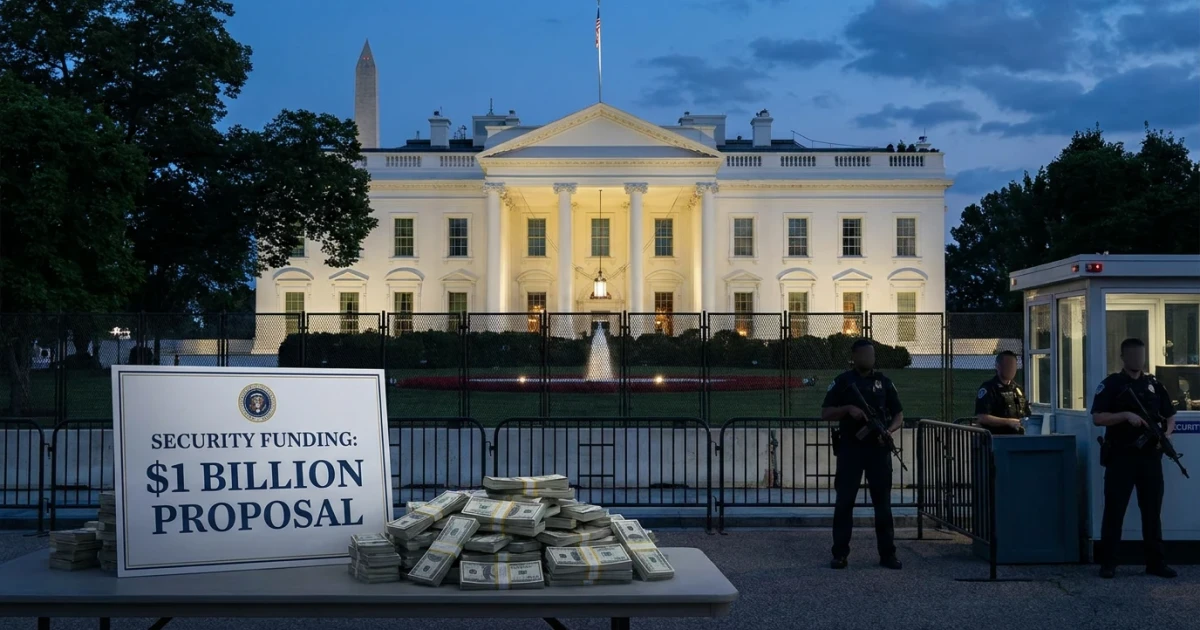
Donald Trump has called for a substantial increase in federal funding for White House security, warning that without a proposed $1 billion allocation, the presidential residence "won't be a very secure place." The remarks, delivered on May 21, 2026 and first reported by PBS, come amid ongoing debates about the adequacy of resources for presidential protection and the broader role of the U.S. Secret Service.
Trump's Call for Increased Security Funding
Speaking publicly, Trump emphasized the urgency of the funding boost, linking it directly to the safety of the White House and its occupants. The $1 billion proposal far exceeds recent annual security budgets, which have typically ranged from hundreds of millions to just over $800 million for Secret Service operations. According to the FY2024 federal budget, the Secret Service received approximately $2.7 billion overall, with a significant portion dedicated to protective services for the president, vice president, and visiting dignitaries.
- The White House security budget encompasses physical upgrades, personnel, and advanced surveillance systems.
- Trump's $1 billion figure would mark a sharp increase for protection specifically tied to the White House complex.
- The Department of Homeland Security Appropriations Act outlines how such funds are allocated and monitored by Congress.
Protection Measures and Historical Context
The Congressional Research Service notes that White House security has evolved in response to threats, technological advances, and high-profile incidents. Funding supports:
- Physical barriers and anti-intrusion systems
- Specialized training for Secret Service agents
- Rapid response units and cyber defense capabilities
According to the Government Accountability Office, increased funding often correlates with expanded staffing and enhanced protective measures, but also raises questions about cost-effectiveness and prioritization within the overall federal security budget.
Public Debate Over Security Spending
Trump's remarks have sparked conversation about the balance between necessary protection and fiscal responsibility. Critics have questioned whether a $1 billion increase is justified, especially given existing security protocols and recent upgrades. Supporters argue that the evolving threat landscape—ranging from physical breaches to digital attacks—demands robust investment.
How White House Security Is Funded
Funds for White House security are part of the Department of Homeland Security budget, which is reviewed annually by Congress. The Secret Service receives appropriations for both physical security and personnel, with additional resources allocated for special projects and emergency response preparedness.
Key Takeaways
- Trump's $1 billion proposal would significantly increase the White House-specific security budget.
- Current funding levels and protection measures are governed by federal law and reviewed for adequacy.
- Debate continues over the necessity and effectiveness of additional spending versus existing safeguards.
Looking Ahead
As Congress considers the next appropriations bill, Trump’s comments are likely to influence discussions on security priorities and resource allocation. The ongoing scrutiny of protective measures at the White House underscores the challenge of balancing safety, transparency, and fiscal stewardship in a high-profile federal setting.