World
Trump pushes phased Iran deal, reopening Hormuz before nuclear talks
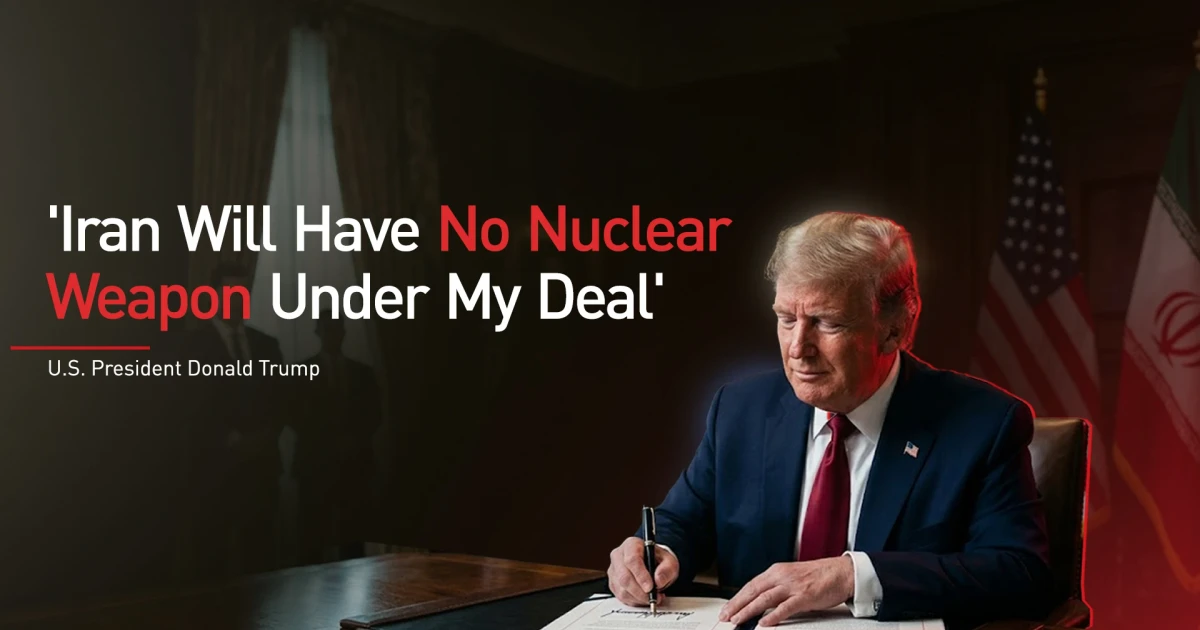
Donald Trump has moved from demanding a sweeping break with Iran to embracing a narrower bargain: stop the war, reopen the Strait of Hormuz, and leave the hardest nuclear questions for later. The emerging deal keeps Iran’s leadership intact, even as it promises a fast reset to one of the world’s most important energy corridors.
Trump said on June 14 that the United States and Iran had reached an agreement to end the war and reopen the strait. He described the accord as “largely negotiated” and later said it was “complete” and would be signed on Sunday, June 15, 2026. Reports said the signing ceremony was expected in Switzerland, with Pakistan serving as mediator, while other countries’ participation and final details were still being worked out.
The shift is stark. Trump had previously been framed as seeking a tougher outcome, including an end to Iran’s nuclear program before any relief or reopening of maritime lanes. Instead, the emerging arrangement appears to accept Iran’s demand for a phased deal, settling the shipping route first and postponing nuclear talks. That leaves Washington with a partial victory at most: a pause in fighting and access to the Gulf, but no final settlement of Iran’s nuclear future.
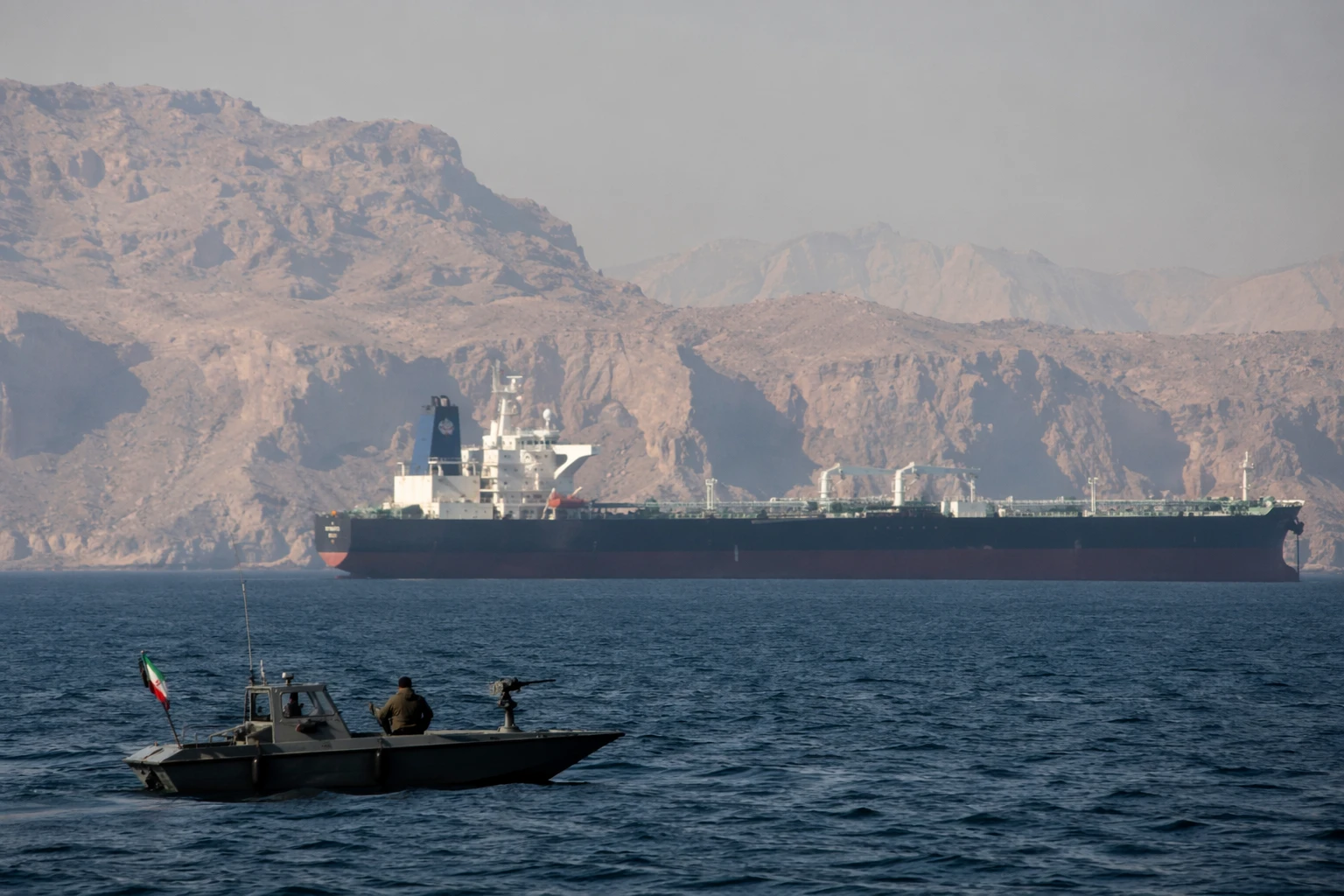
The Strait of Hormuz sits at the center of that calculation. Roughly one-fifth of global oil and liquefied natural gas supplies normally pass through the chokepoint, and disruption there has stretched for more than three months. Reports say millions of barrels of oil and gas supplies have been stranded or delayed. Energy analysts say reopening the waterway could quickly lower the geopolitical risk premium in oil prices, but regional supply chains and economies may take months to recover fully.
Even as the diplomacy advanced, the nuclear dispute remained active. On June 10, the International Atomic Energy Agency Board of Governors passed a U.S.-backed resolution demanding that Iran declare its remaining enriched uranium stocks and allow inspectors access to verify them. Diplomats said the vote was 21 in favor, 3 against, with 10 abstentions, underscoring how far the nuclear file still is from resolution.
For Iran, the deal would preserve the regime and buy time. For Trump, it offers a chance to claim he has stopped a costly war and reopened a critical shipping lane. What it does not do is settle the question that has shadowed every round of talks: how, when, and whether Iran’s nuclear program will be constrained for good.
Sources
- [1]washingtonpost.com
- [2]politico.com
- [3]yahoo.com
- [4]cnbc.com
- [5]aljazeera.com
- [6]usnews.com
- [7]apnews.com
- [8]time.com